Japan
An epic return! In May, we embarked on an incredible journey back to Tokyo, Japan. It was absolutely thrilling to return to the country where I lived 27 years ago, and I had meticulously charted out a list of unforgettable places I couldn't wait to experience again!
Hakone Area
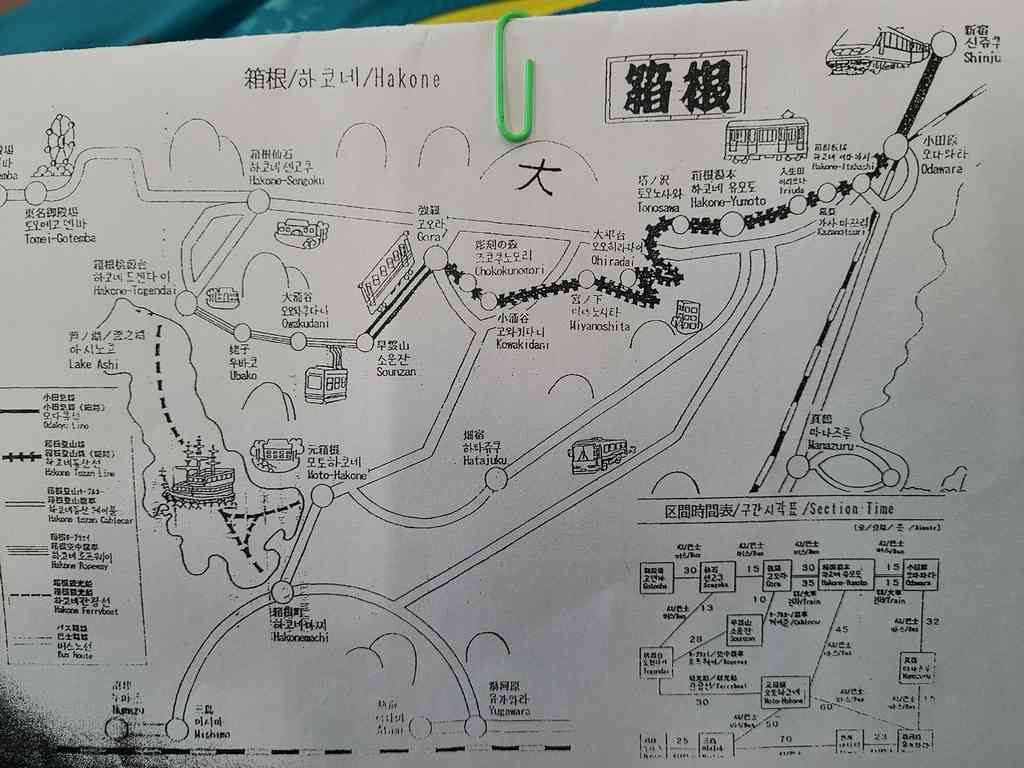
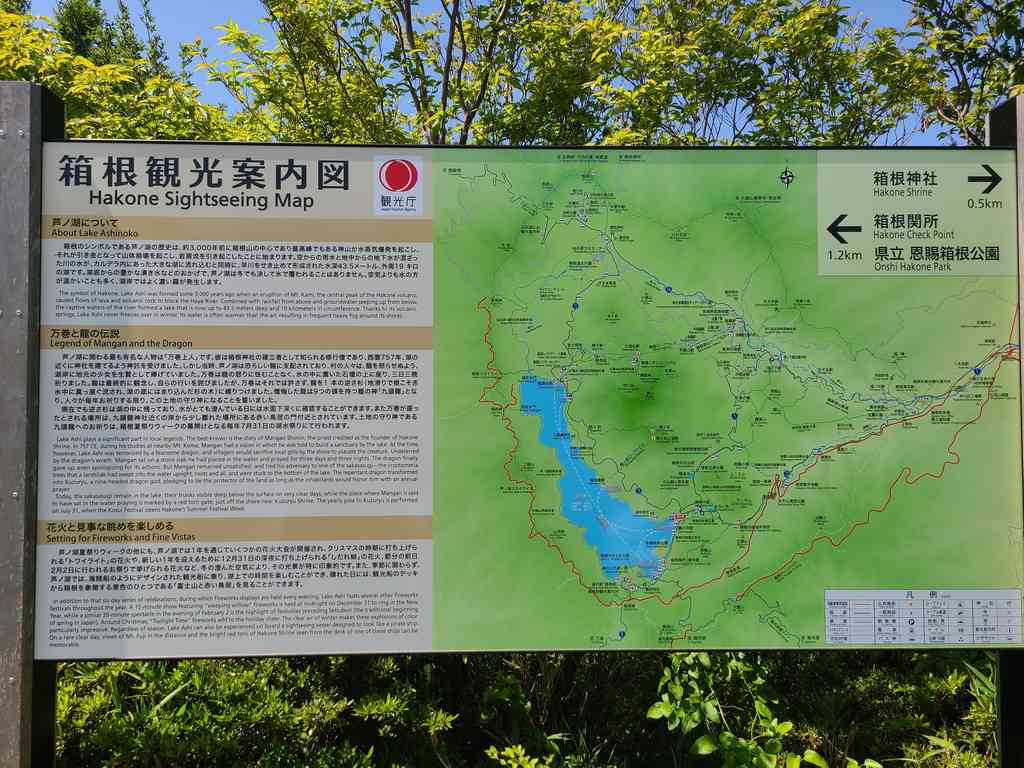
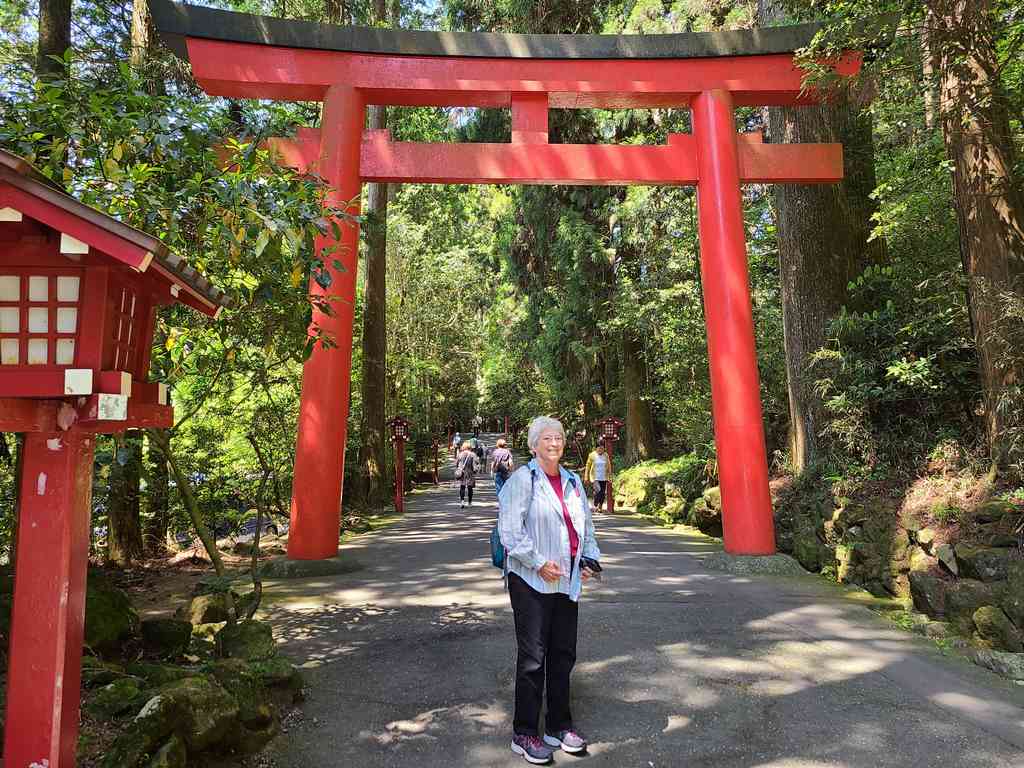
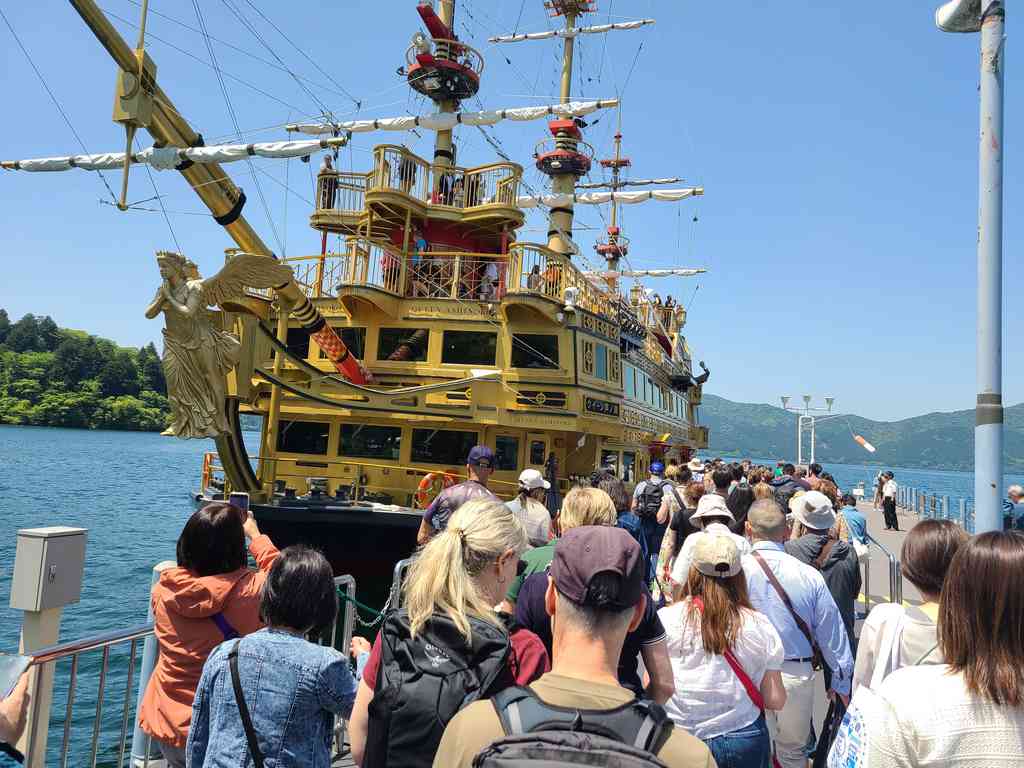
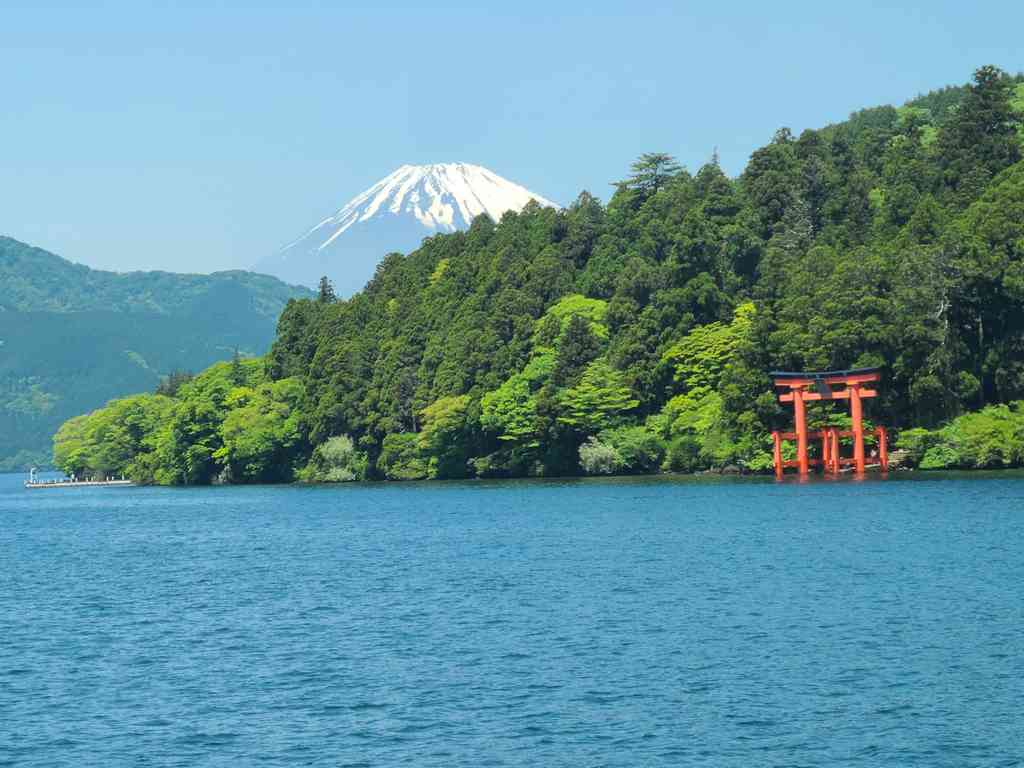
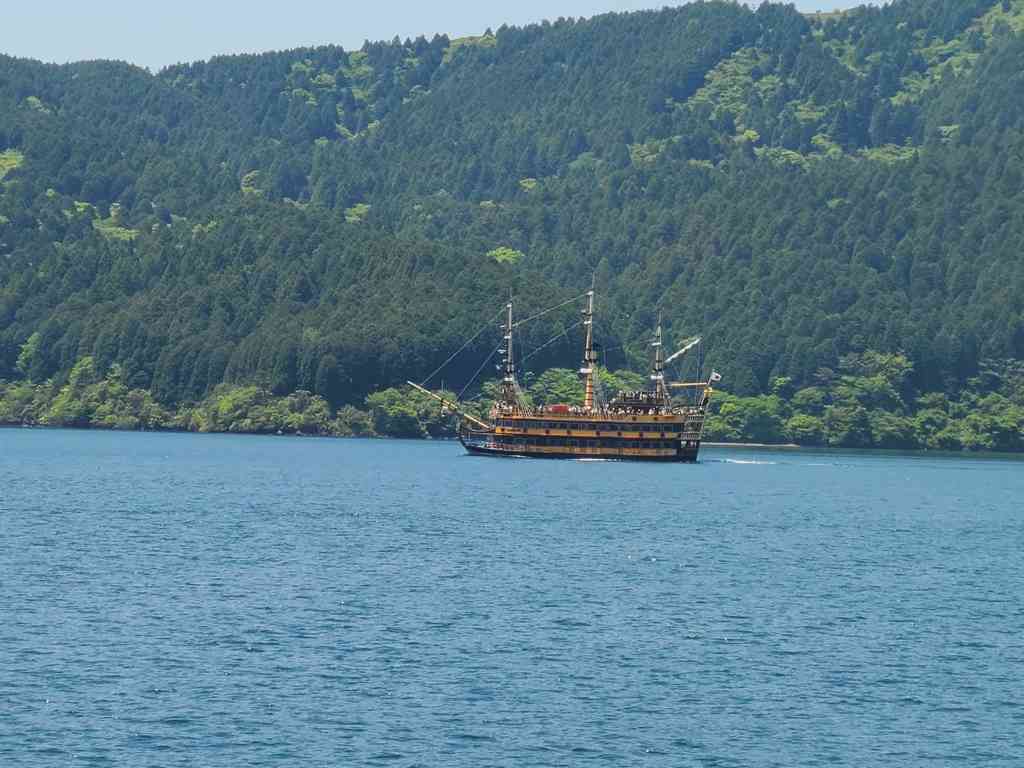
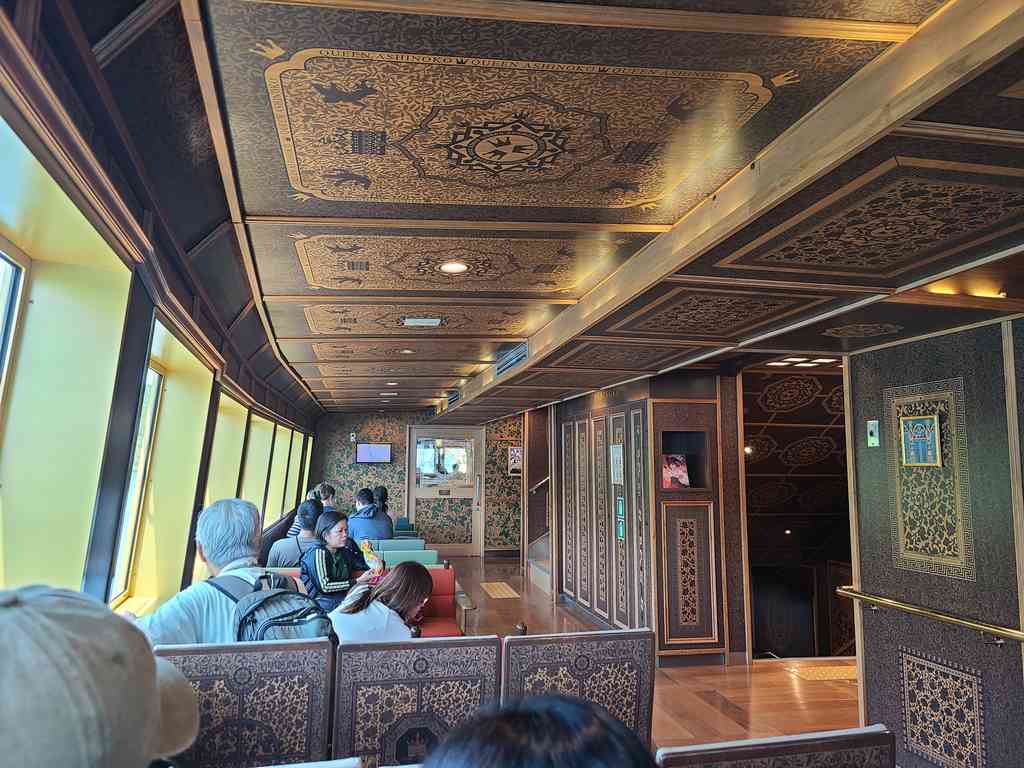
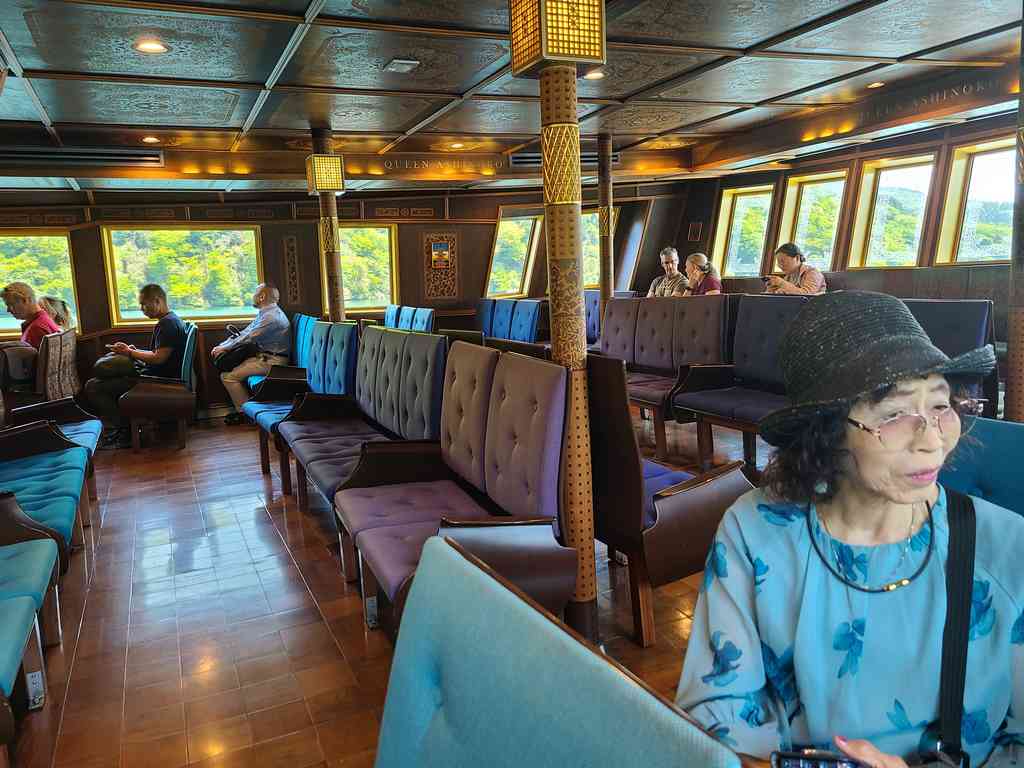
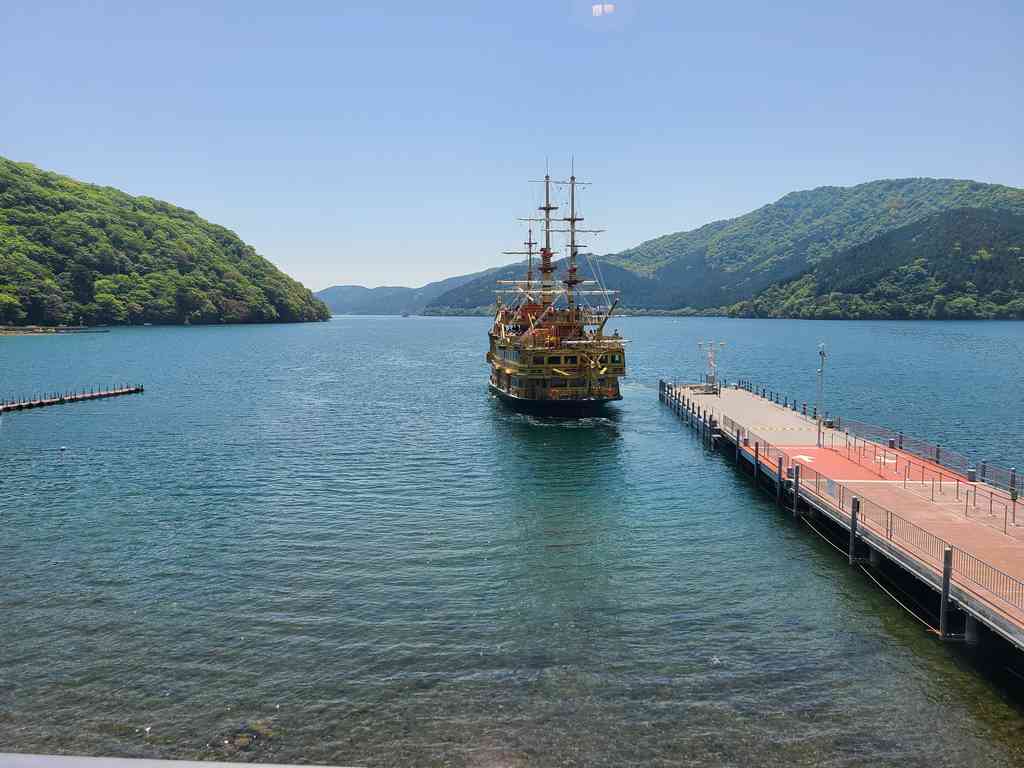
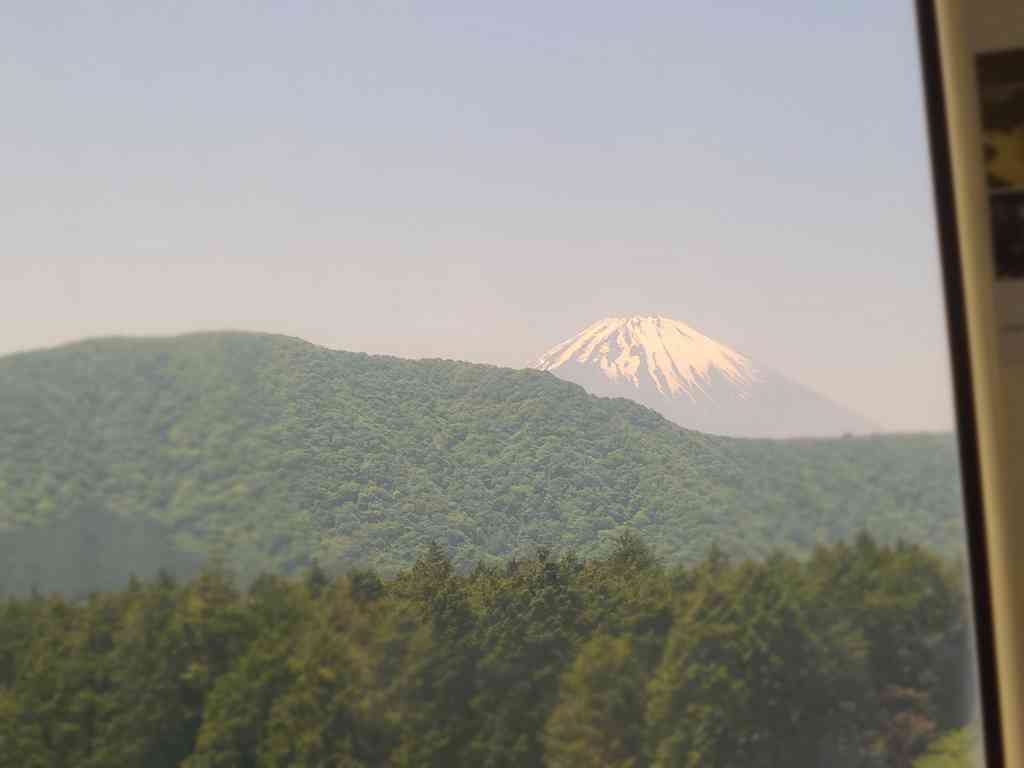
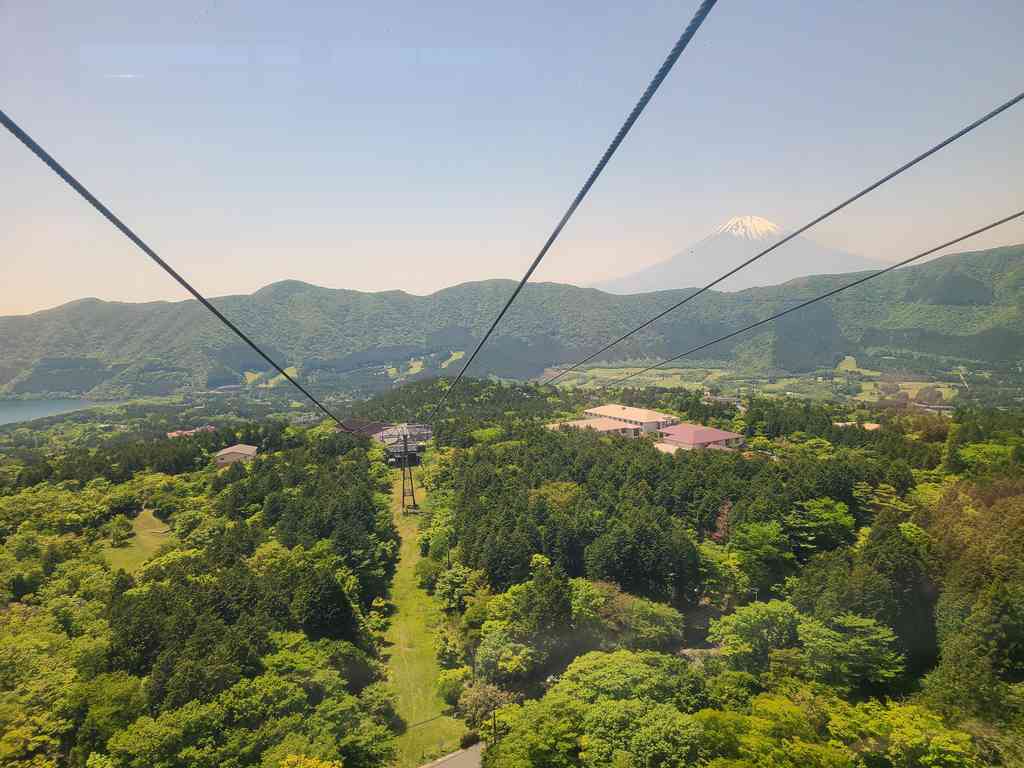
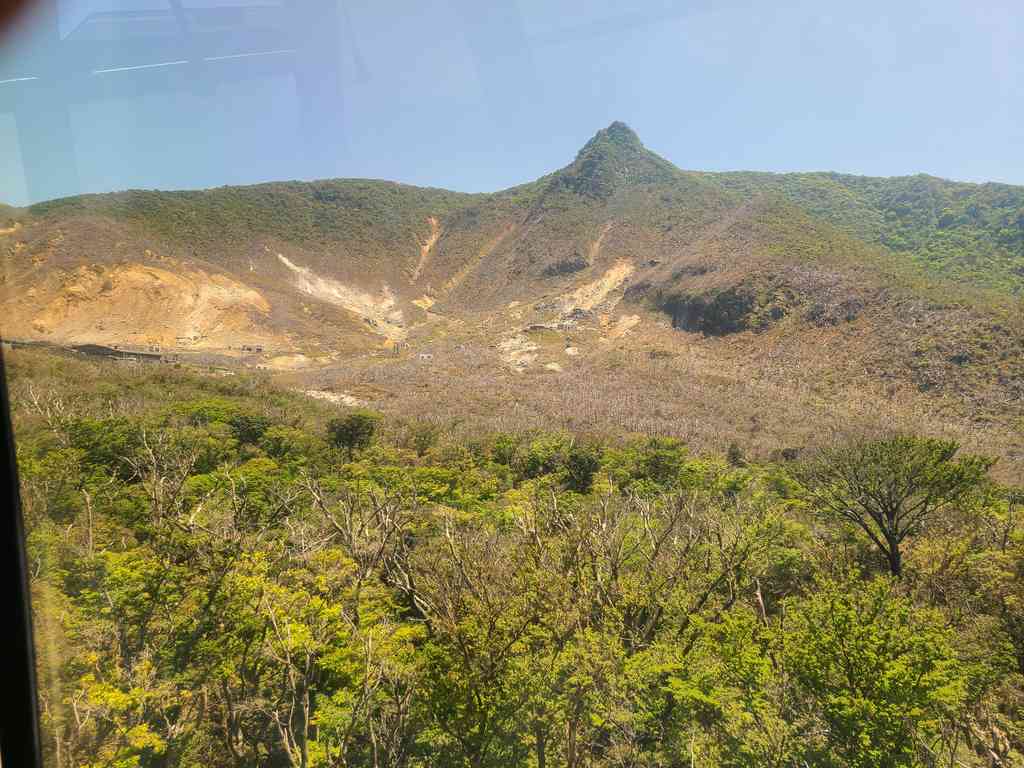
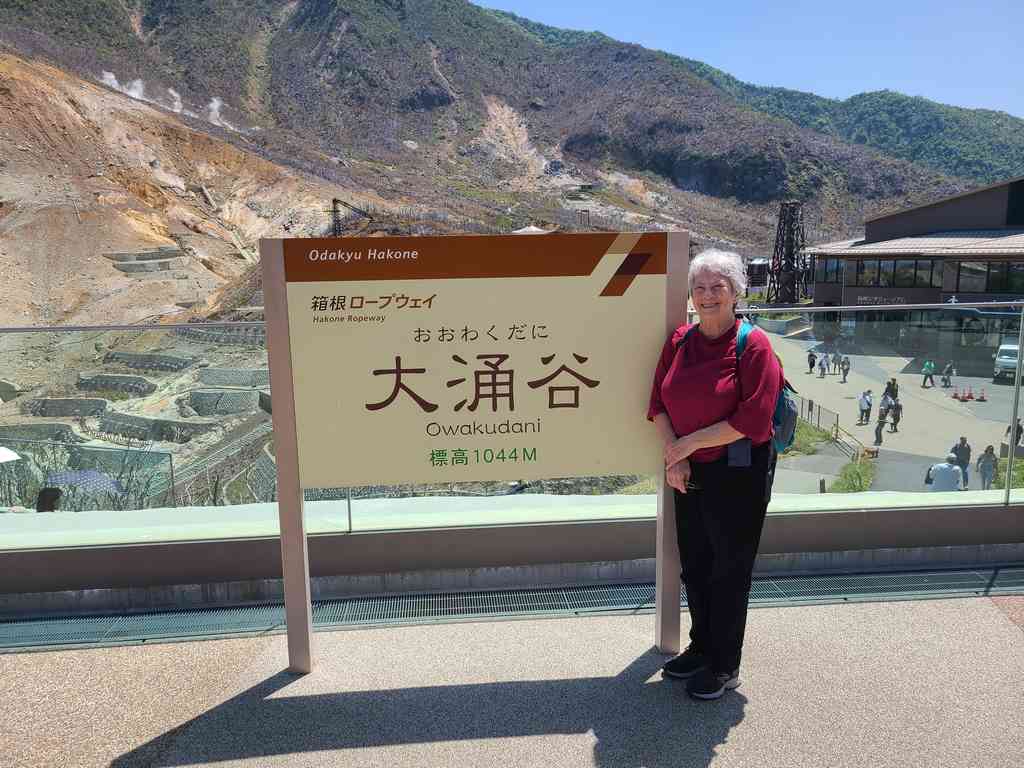
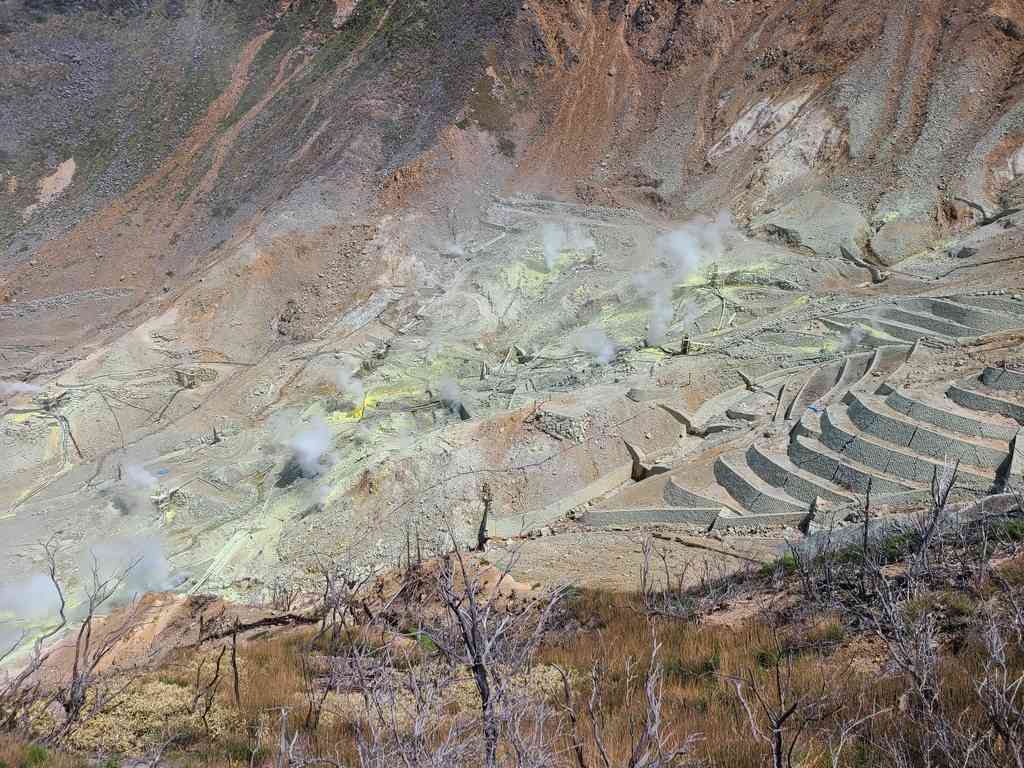
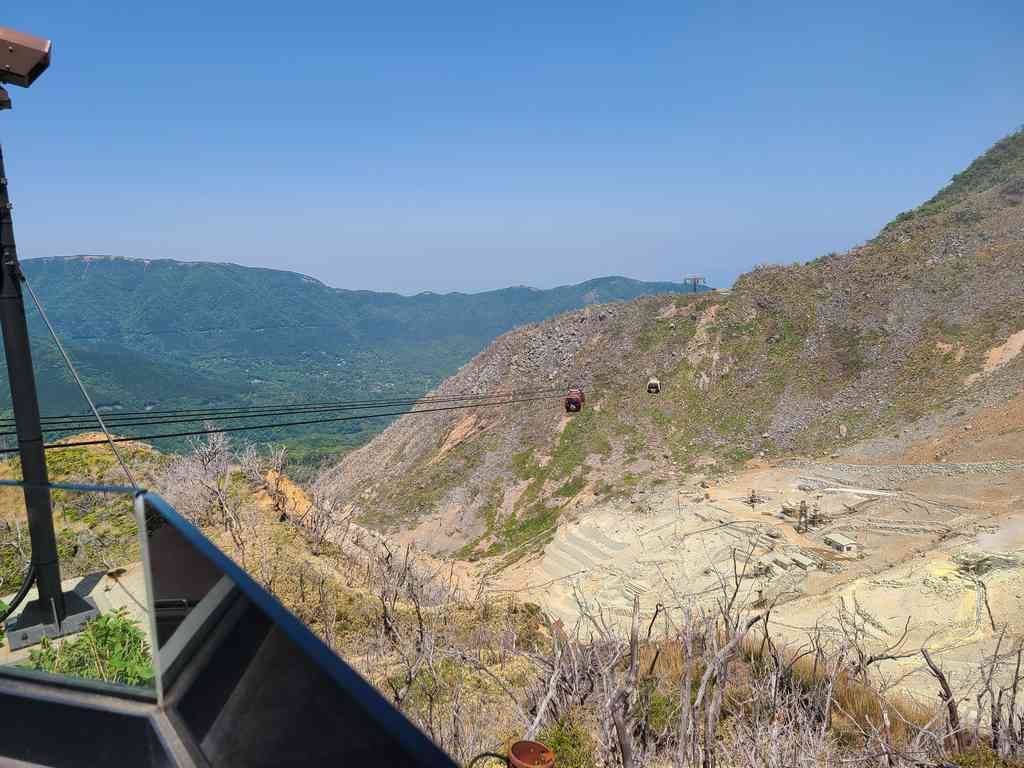
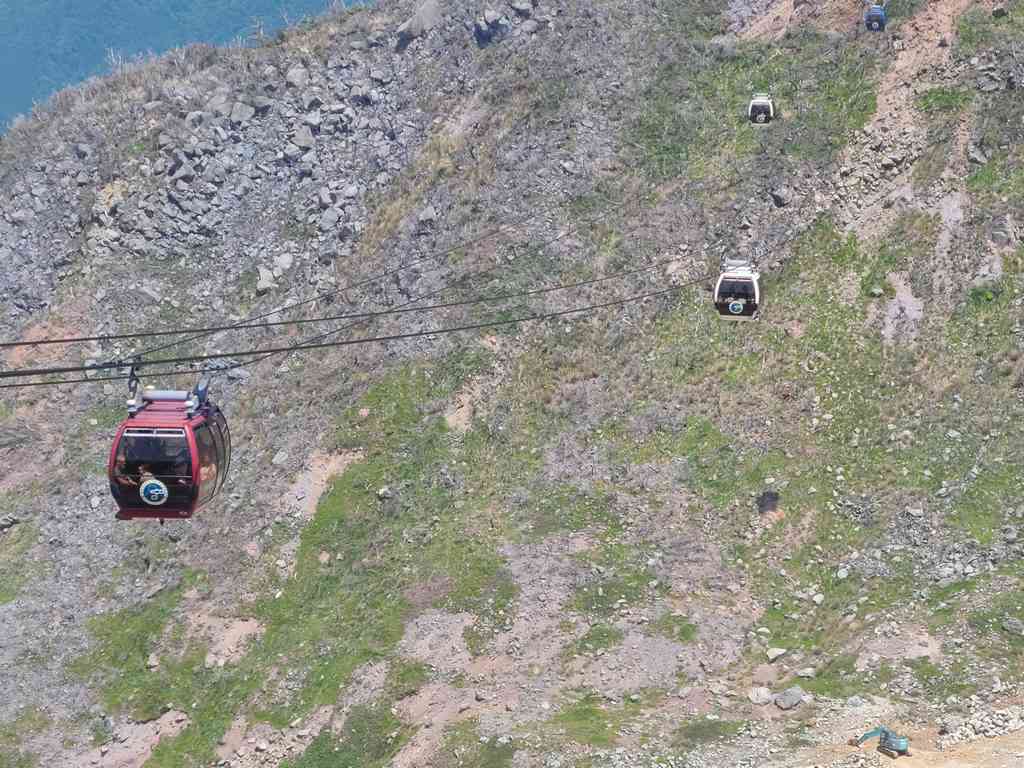
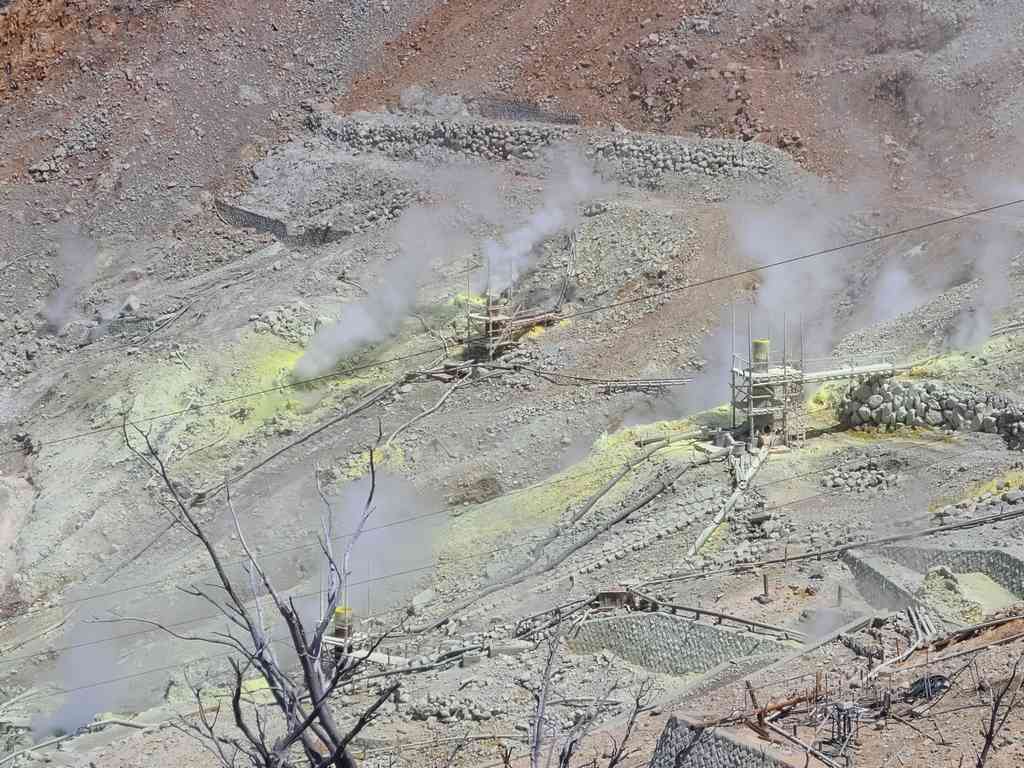
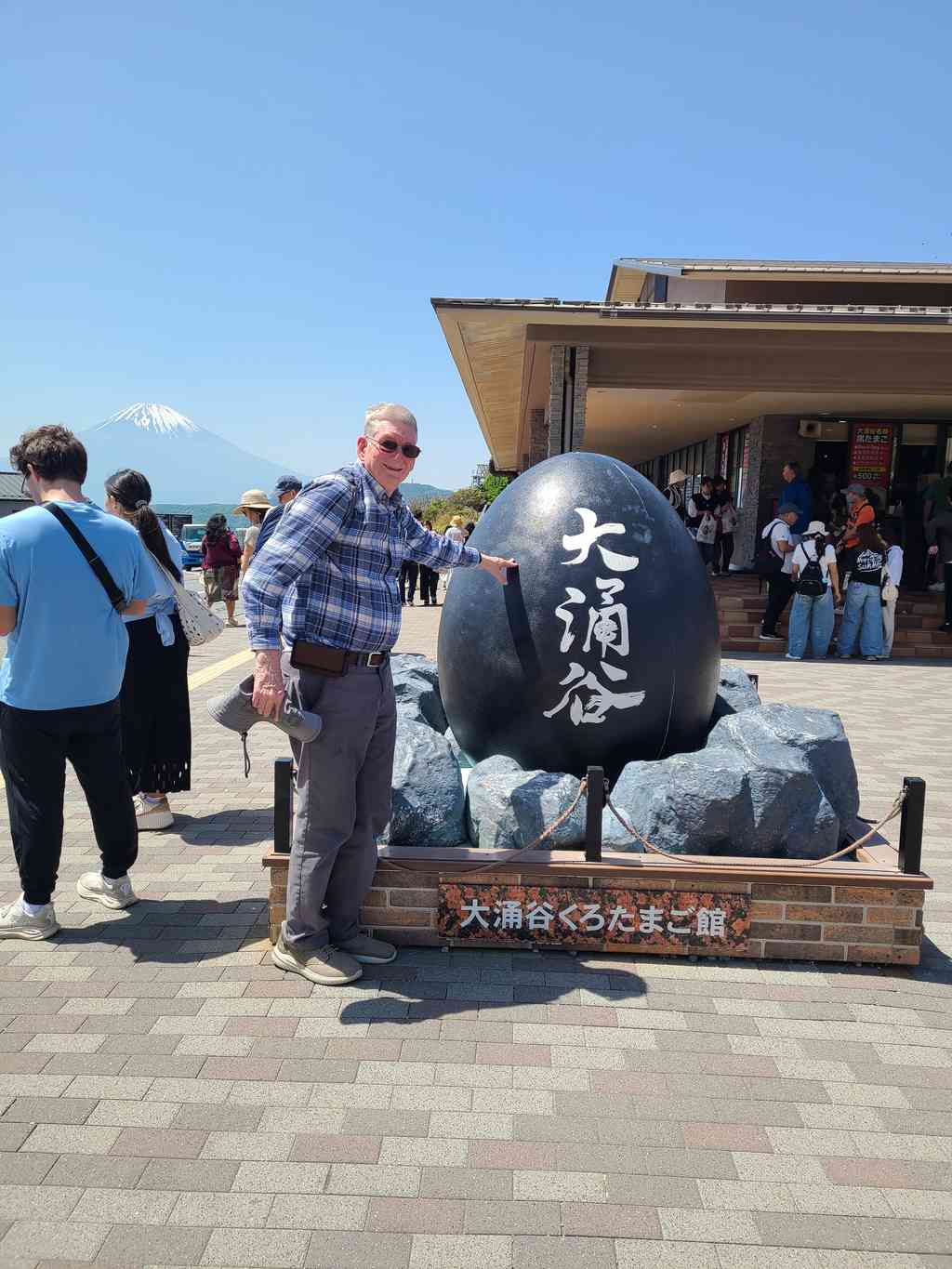
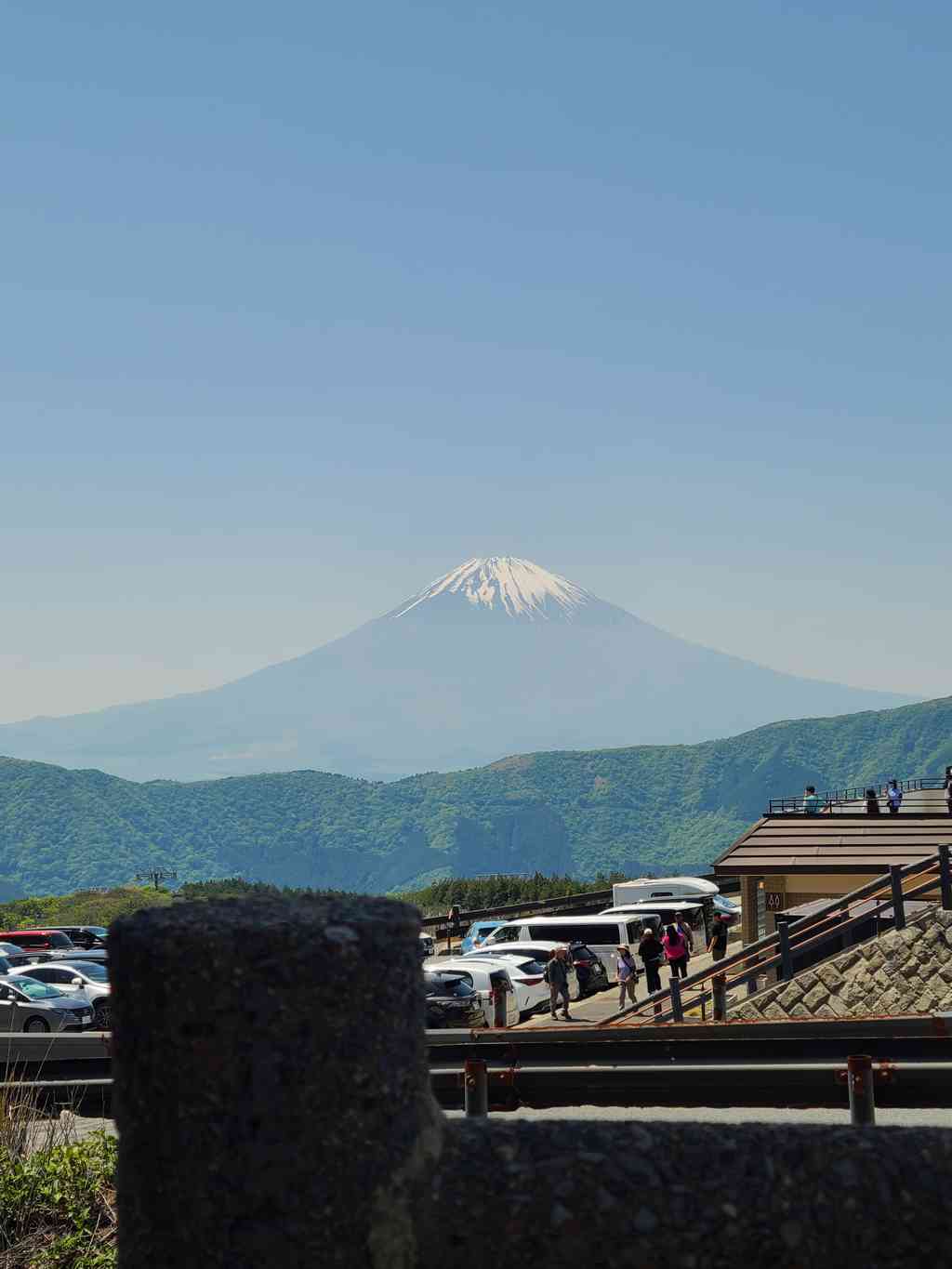
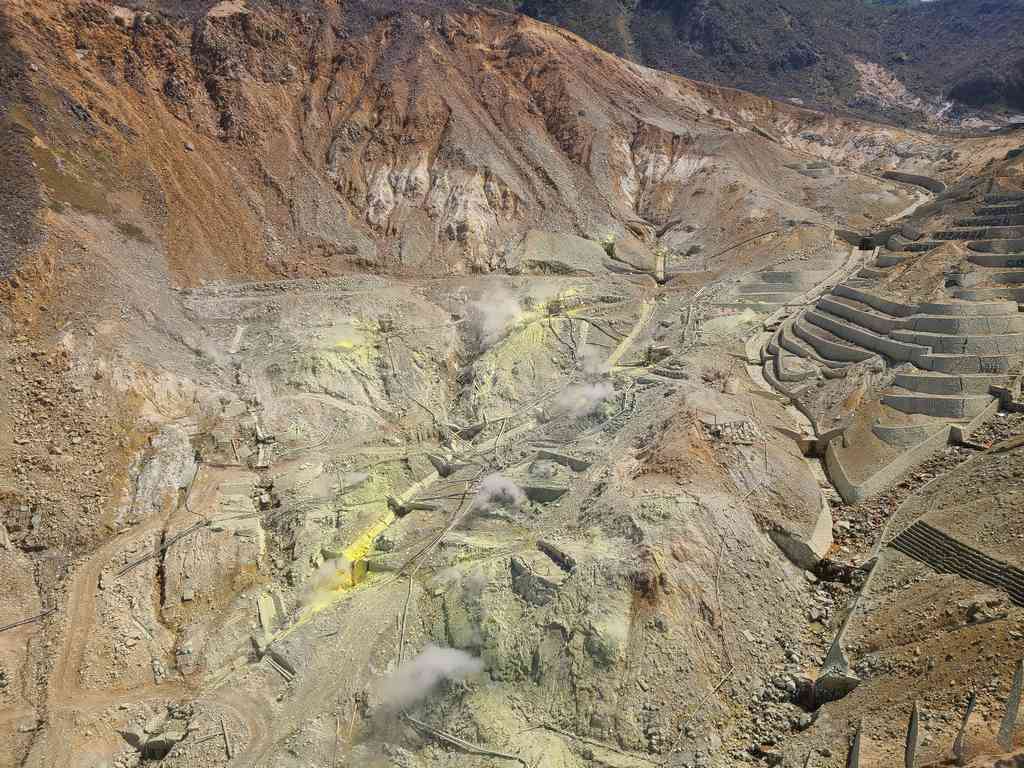
Visiting the breathtaking Hakone resort area was at the top of my list! We enjoyed a spectacular, action-packed day of sightseeing that seamlessly took us from a scenic bus ride, to cruising on a pirate ship, and finally soaring between mountain peaks on an aerial ropeway. We stopped at Owakudani (the "Great Boiling Valley") to see the legendary black eggs (kuro-tamago). These famous eggs get their dark, striking color from a chemical reaction between the iron and sulfur in the volcanic hot spring water. Local folklore promises that eating just one of these eggs will extend your life by seven years! (By the way, they taste just like regular hard-boiled eggs). Since I have eaten so many in the past, I'm pretty sure I have banked enough to last until I'm well over 100 years old! So, rather than eggs, Helen and I opted for some delicious green tea ice cream.
From Owakudani, we continued our aerial journey on the ropeway to the end of the line, where we caught a thrilling, incredibly steep cable car that traveled down the mountain at a dramatic 45-degree angle! The seats in the car were cleverly designed so you could sit level, but it felt just like stadium seating—the seat directly behind you was two feet higher than yours!
After reaching the bottom of the cable route, we hopped aboard a historic mountain railway that zig-zagged its way down the steep slopes. The train would travel to the end of a section of track, stop, and then completely reverse direction to continue down the mountain on another set of tracks. It was a massive, fascinating switchback journey all the way down!
Finally at the bottom, we arrived at the Odawara train station and caught a two-hour express train back to our hotel in Kawasaki. This entire, unforgettable adventure took around 12 hours, and we were wonderfully exhausted by the time we got back.
Sumo Basho
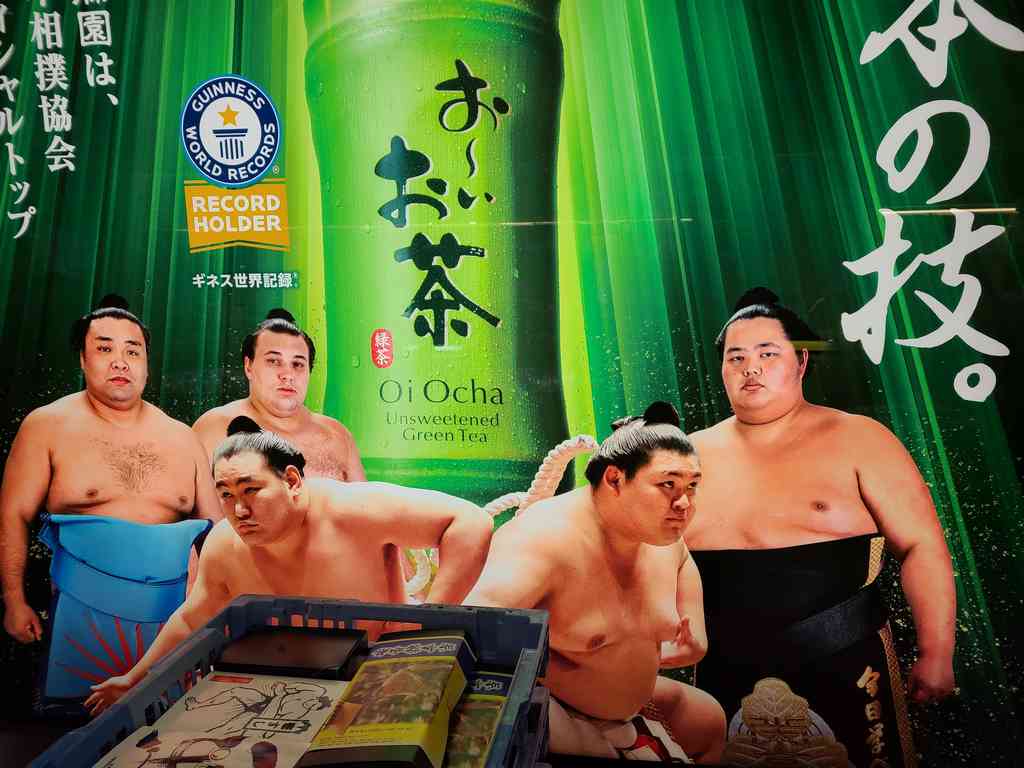
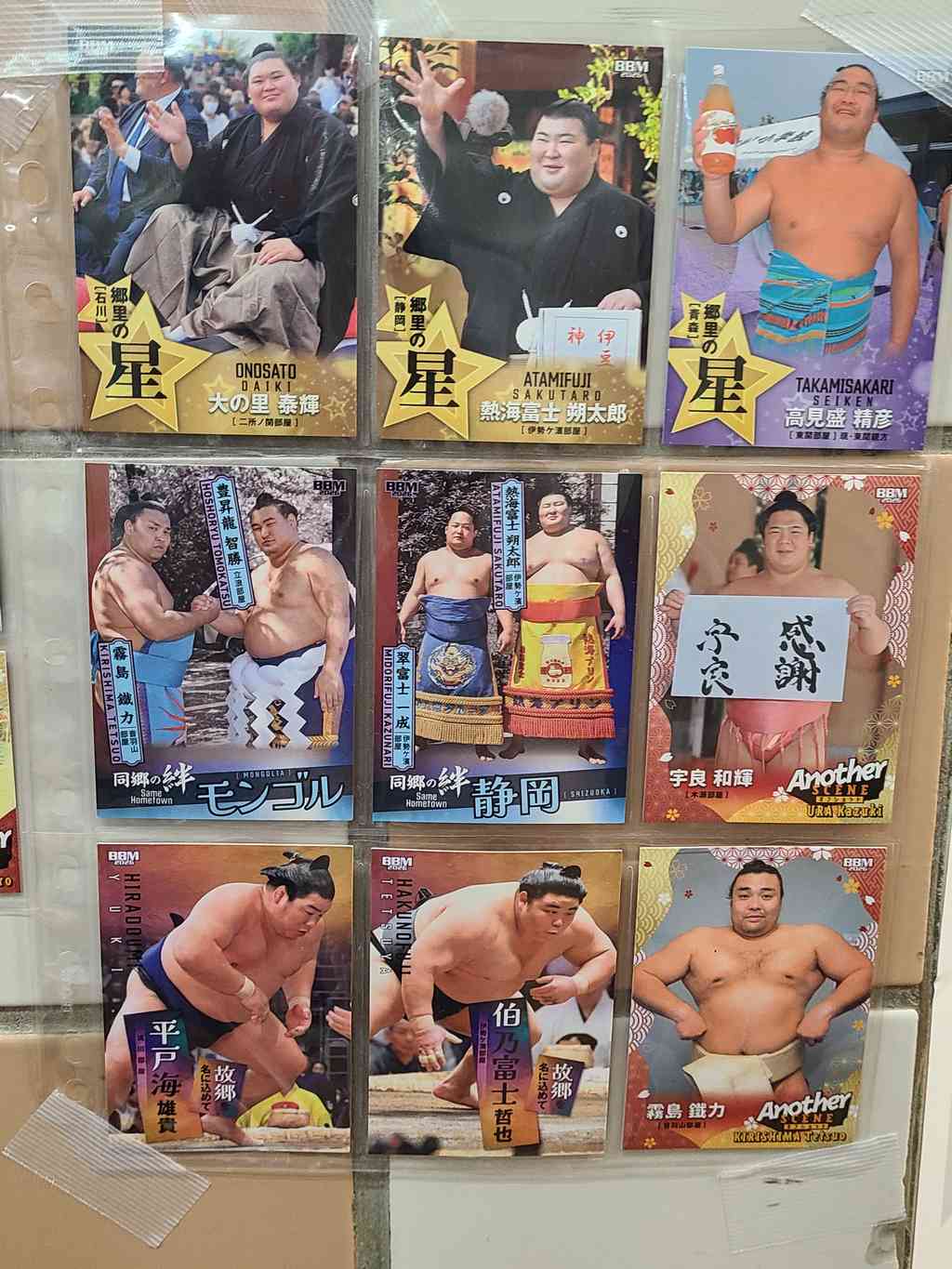
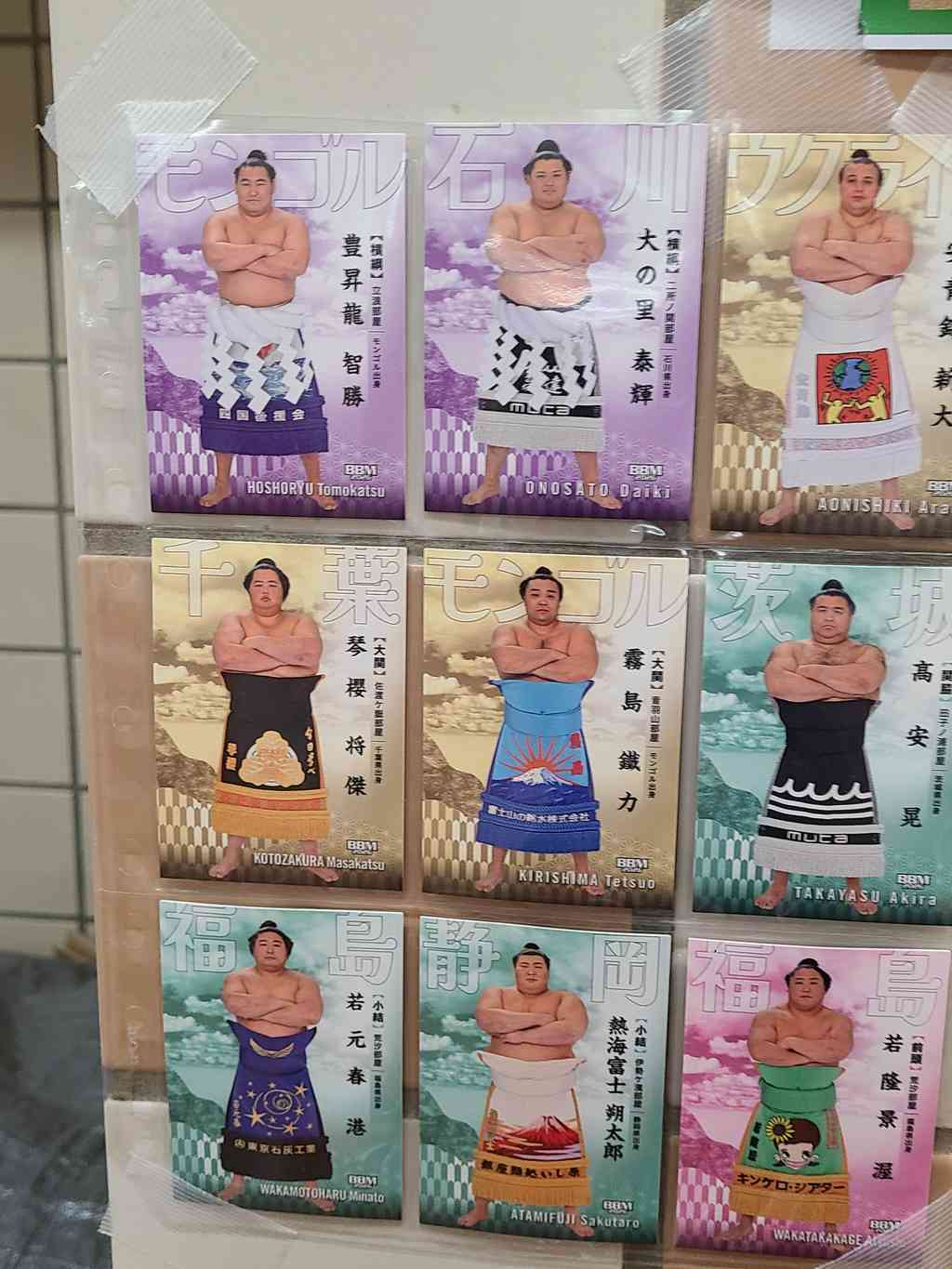
Helen and I first discovered the incredible Japanese sport of sumo wrestling about 10 years ago, and we have been massive fans ever since! We have grown to love the sport and follow many of our favorite rikishi (wrestlers) passionately. When the JEDEC committee chose Sapporo for their May 2026 meeting three years ago, we immediately started counting down the days.
As luck would have it, the grand May sumo basho (tournament) was scheduled to take place in Tokyo starting three weeks before the committee meeting! Since each basho is an epic 15-day event, we realized we could fly into Tokyo two weeks early to catch the thrilling final week of the tournament. I instantly sprang into action to secure tickets.
It is a good thing I started a year in advance! I quickly discovered that these tournaments are explosively popular, and tickets sell out within minutes. I initially planned to use a well-known third-party website, Buy Sumo Tickets.com. I had my entire strategy mapped out for January 2026, but to my dismay, they informed me they no longer sell tickets for Tokyo tournaments due to the extreme difficulty of acquiring them. Talk about a curveball!
I was left with two choices. The first was paying ridiculously marked-up prices through a tour agency. While this was a once-in-a-lifetime opportunity, the dealbreaker was that they wouldn't give you the tickets until the "tour" started at 3 PM. Since the stadium doors open at 9 AM for the exciting lower-division matches, that option was completely off the table.
My second choice was to brave the digital battlefield and fight the multitudes of fans and bots on the official website the moment tickets went on sale. My biggest anxiety was whether my US Visa card would even work; Japanese security protocols are far stricter than those in the USA. I did a test run on some hotel reservations and, sure enough, my Costco Visa was rejected! Thankfully, my Charles Schwab Visa passed with flying colors. With the payment hurdle cleared, it was game time.
On the morning the ticket portal opened, Helen and I were stationed at our desks like mission control with three computers running. We were frantically refreshing the screens. Suddenly, Helen called me over—her screen was doing something different. She had broken through the queue! YES! Now we just had to secure the seats.
I furiously clicked the seats I wanted, but the website hung. They were already gone! I tried the next section back—gone! In a final act of desperation, I clicked a pair of seats up in the nosebleed section... and we got them! My credit card was accepted! We were officially going to the Sumo Basho!
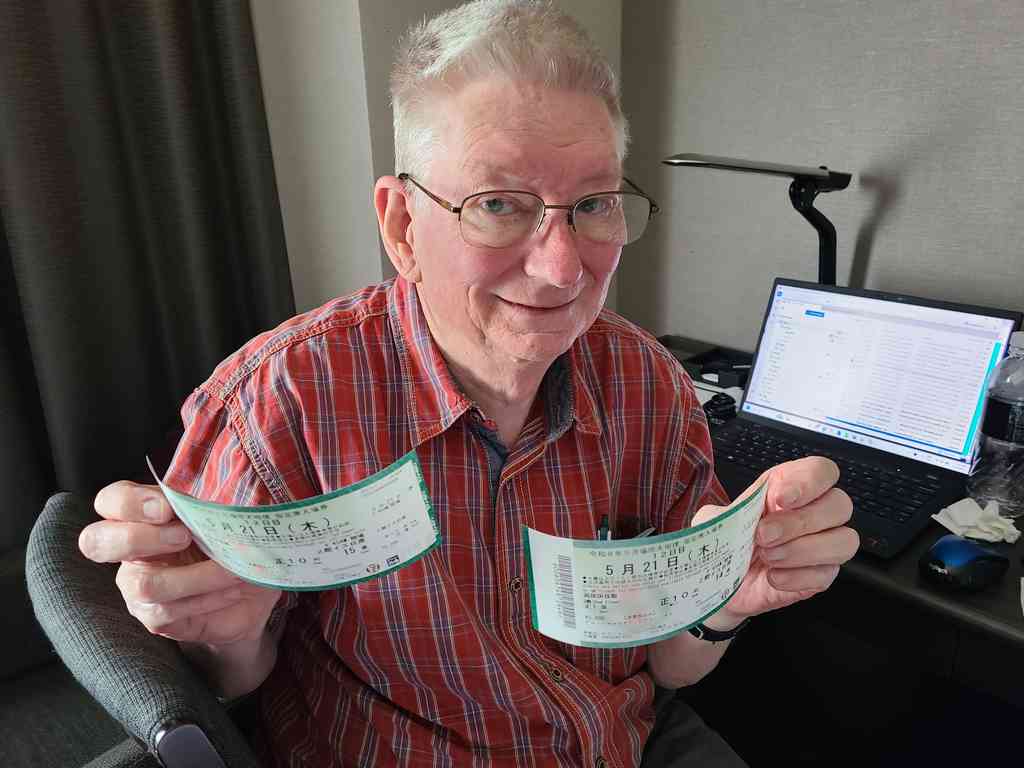
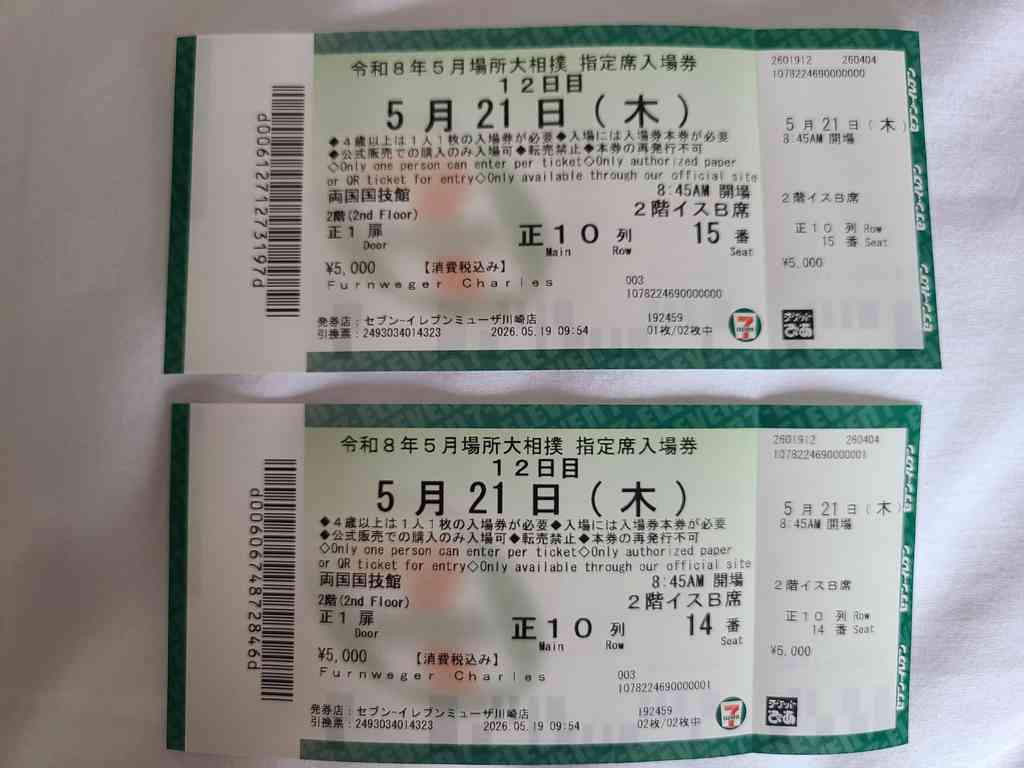
The final hurdle was actually getting the physical tickets in hand. Since they don't mail internationally, I had to opt for in-person pickup at a 7-Eleven store once we arrived in Japan. I was incredibly nervous about this step.
Four days before our tournament date, we landed in Japan. The very next morning, I nervously marched down to the 7-Eleven a half-block from our hotel. I handed my printed, Japanese-language receipt to the clerk. She scanned it, punched a few buttons, and the tickets magically printed right out of the machine! I was absolutely ecstatic!
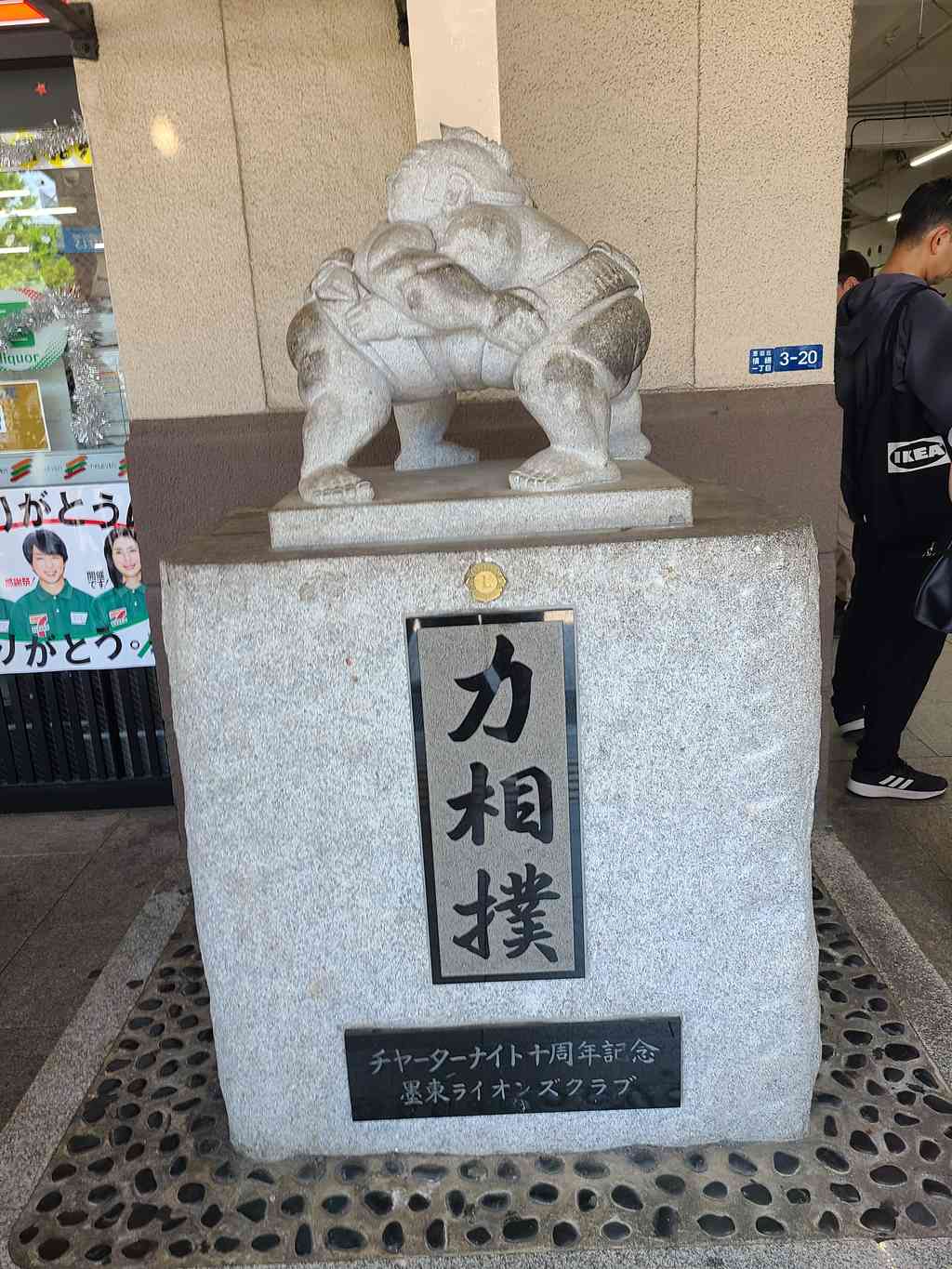
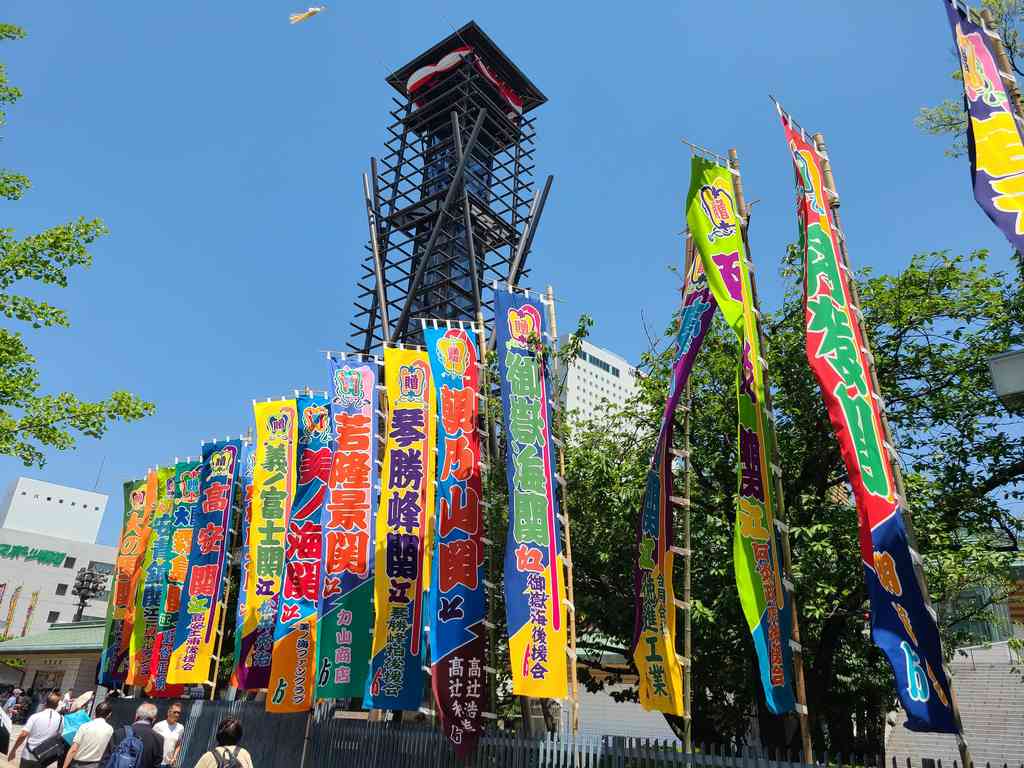
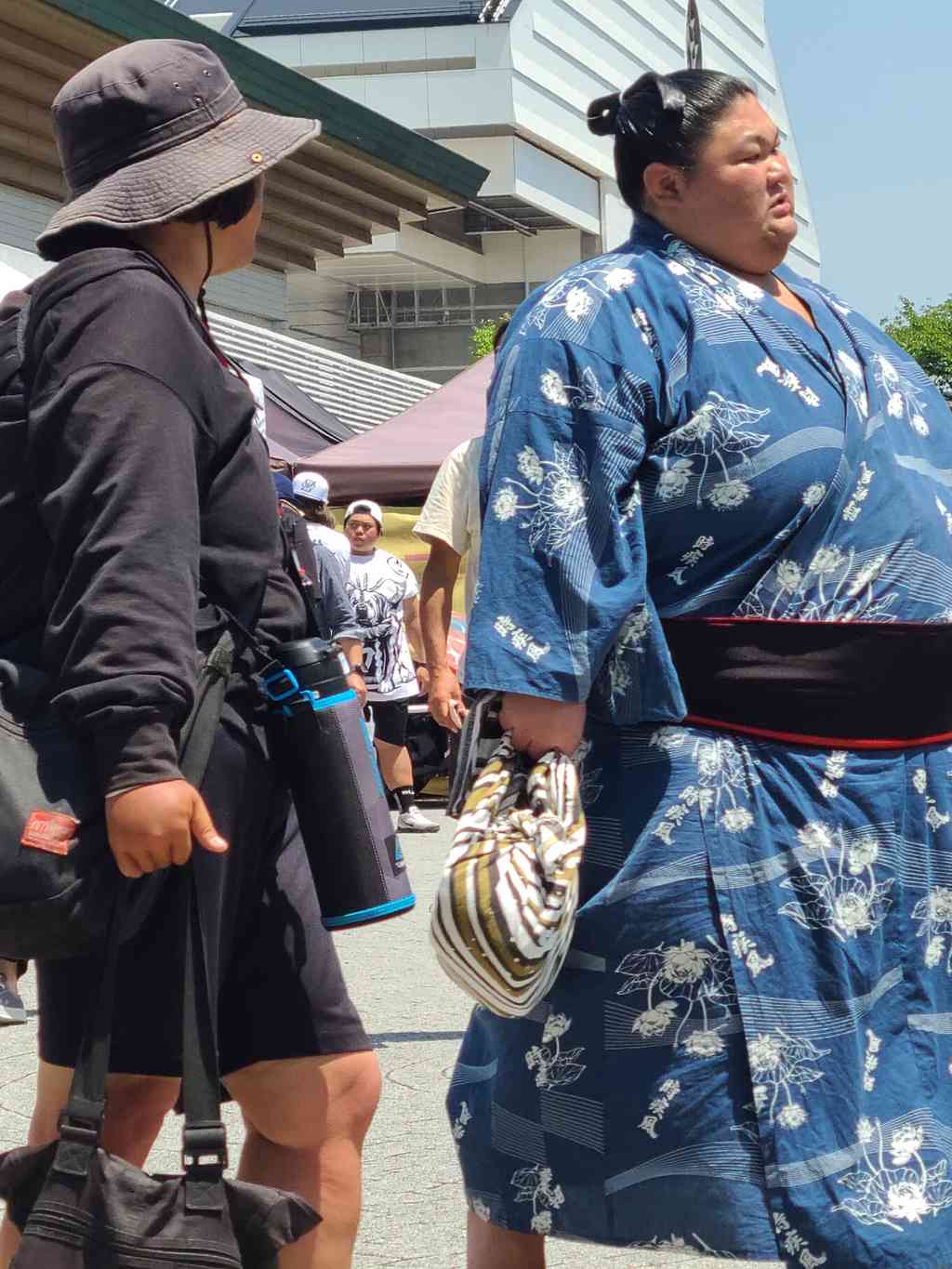
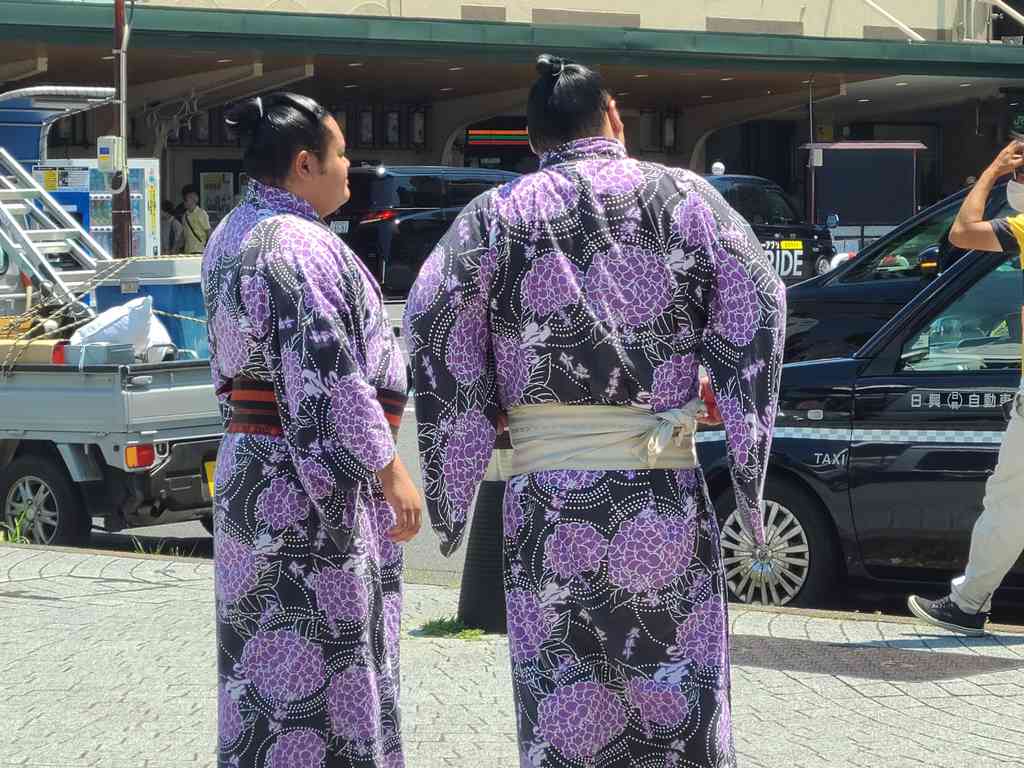
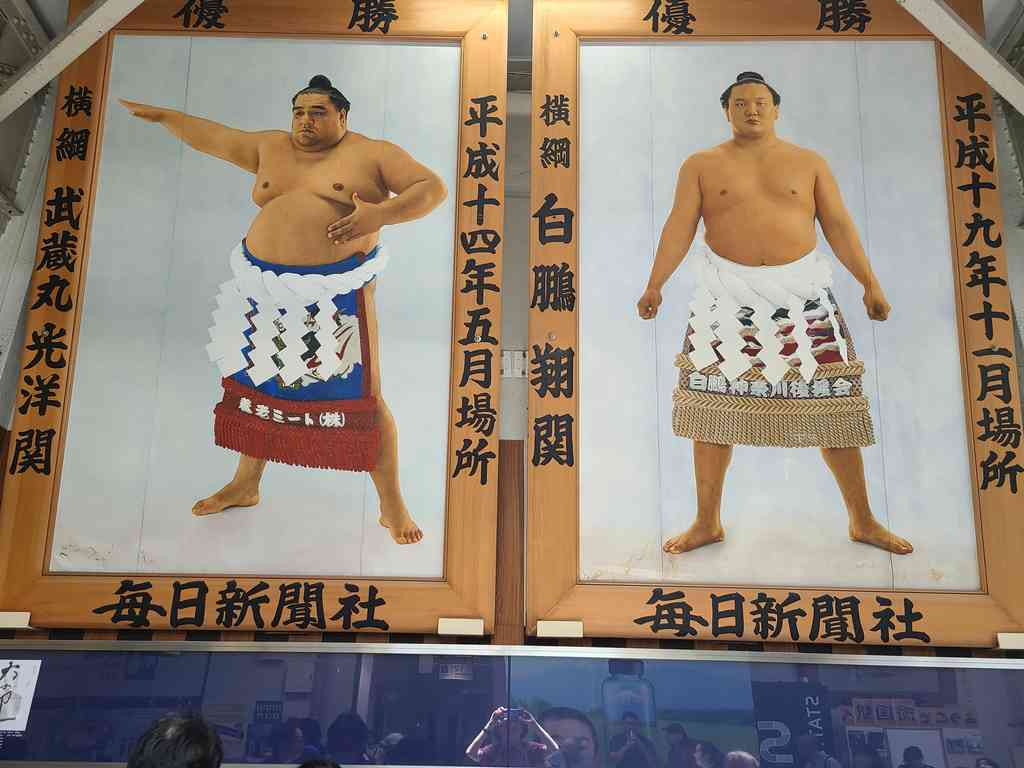
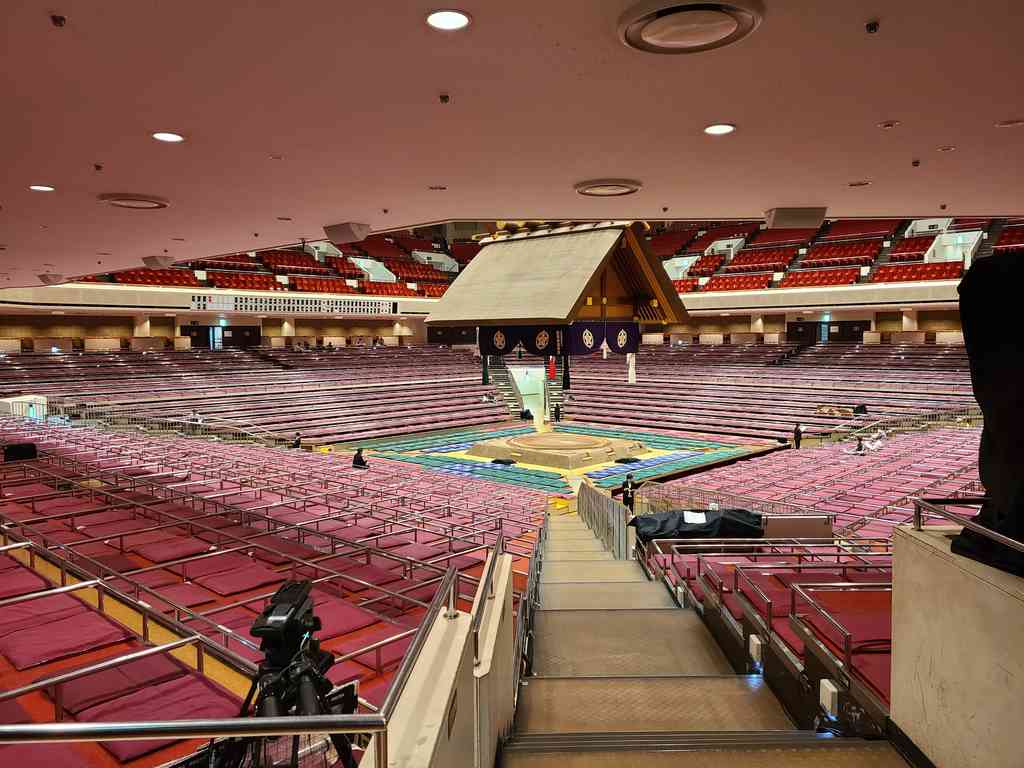
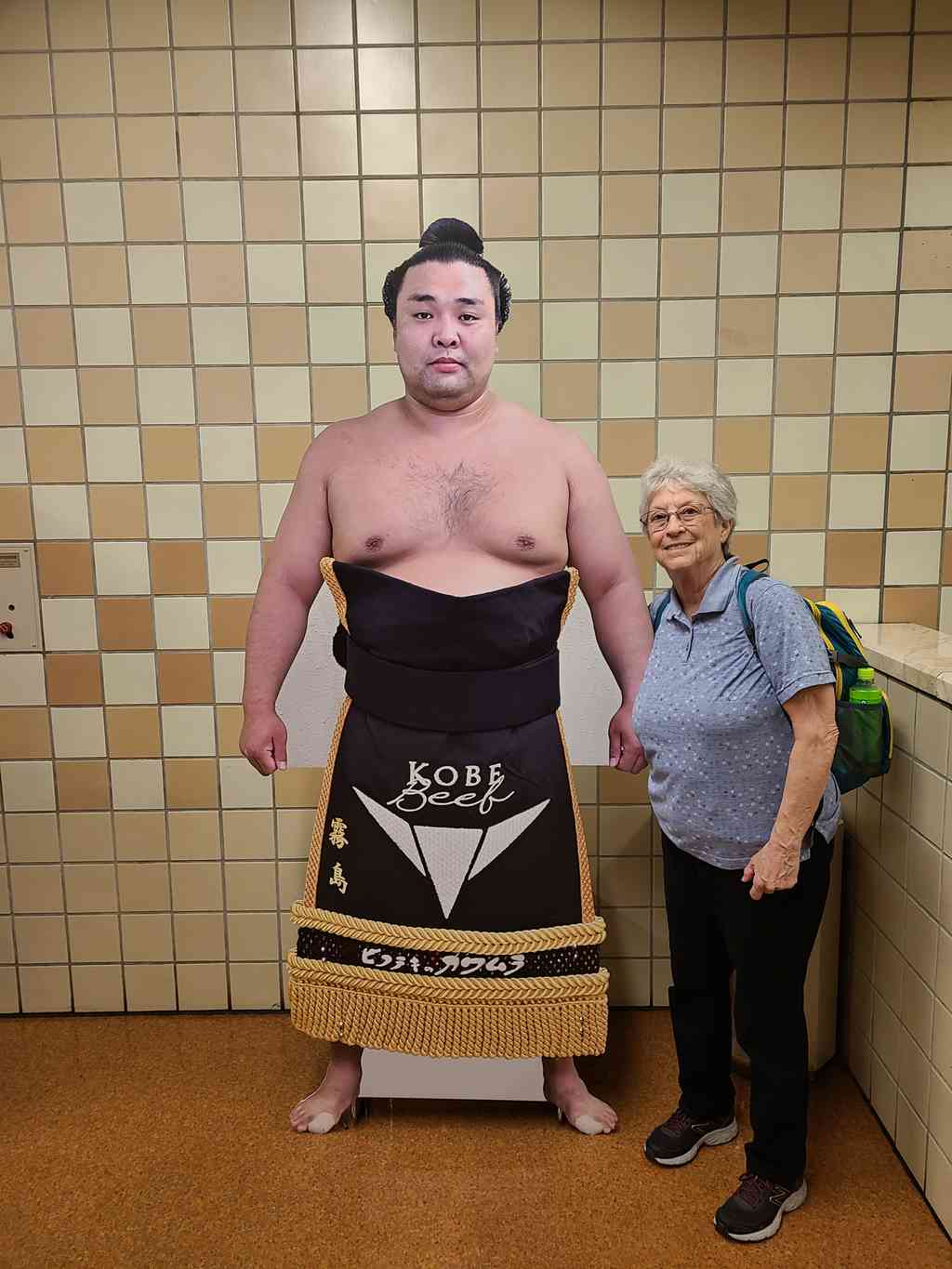
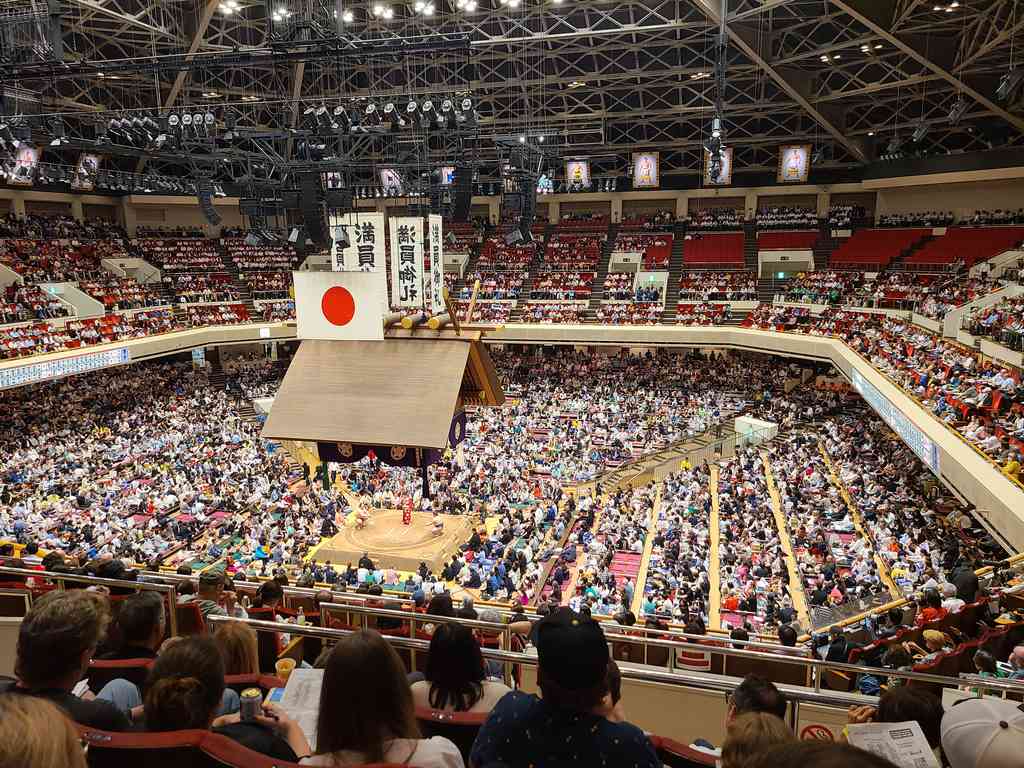
To build up the hype, we visited the Kokugikan (the sumo stadium) the day before our tickets were valid just to soak in the atmosphere. We sat outside for hours, mesmerized, watching the massive wrestlers arriving and departing.
Over the 15 days, around 600 wrestlers compete. While the 70 elite upper-division wrestlers (Juryo and Makuuchi) arrive privately in the underground loading bay, the hundreds of lower-division wrestlers who commute by train walked right past us! It was absolutely surreal to be so close to them. They were incredibly gracious giants, happily stopping to take pictures with excited tourists.
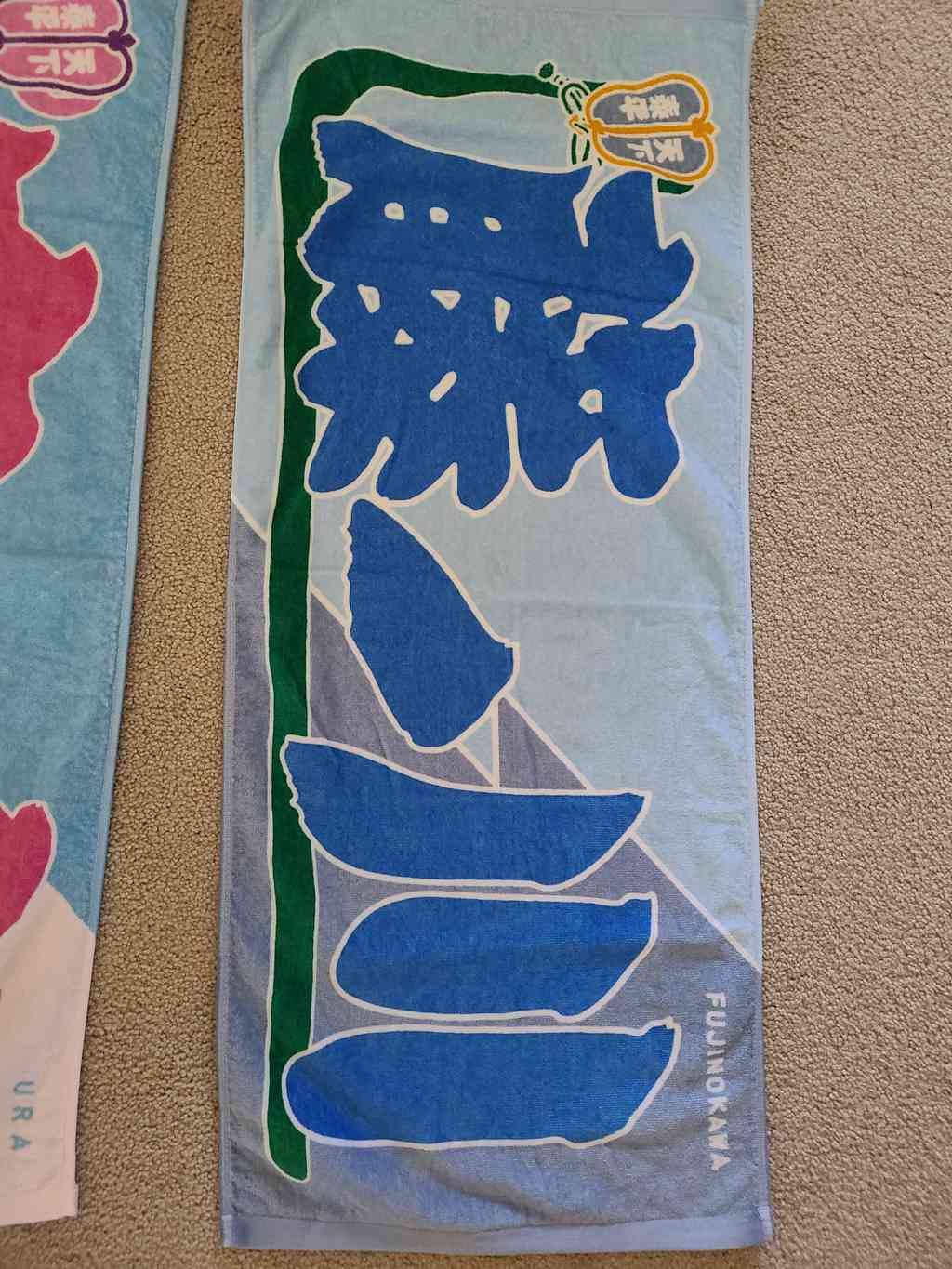
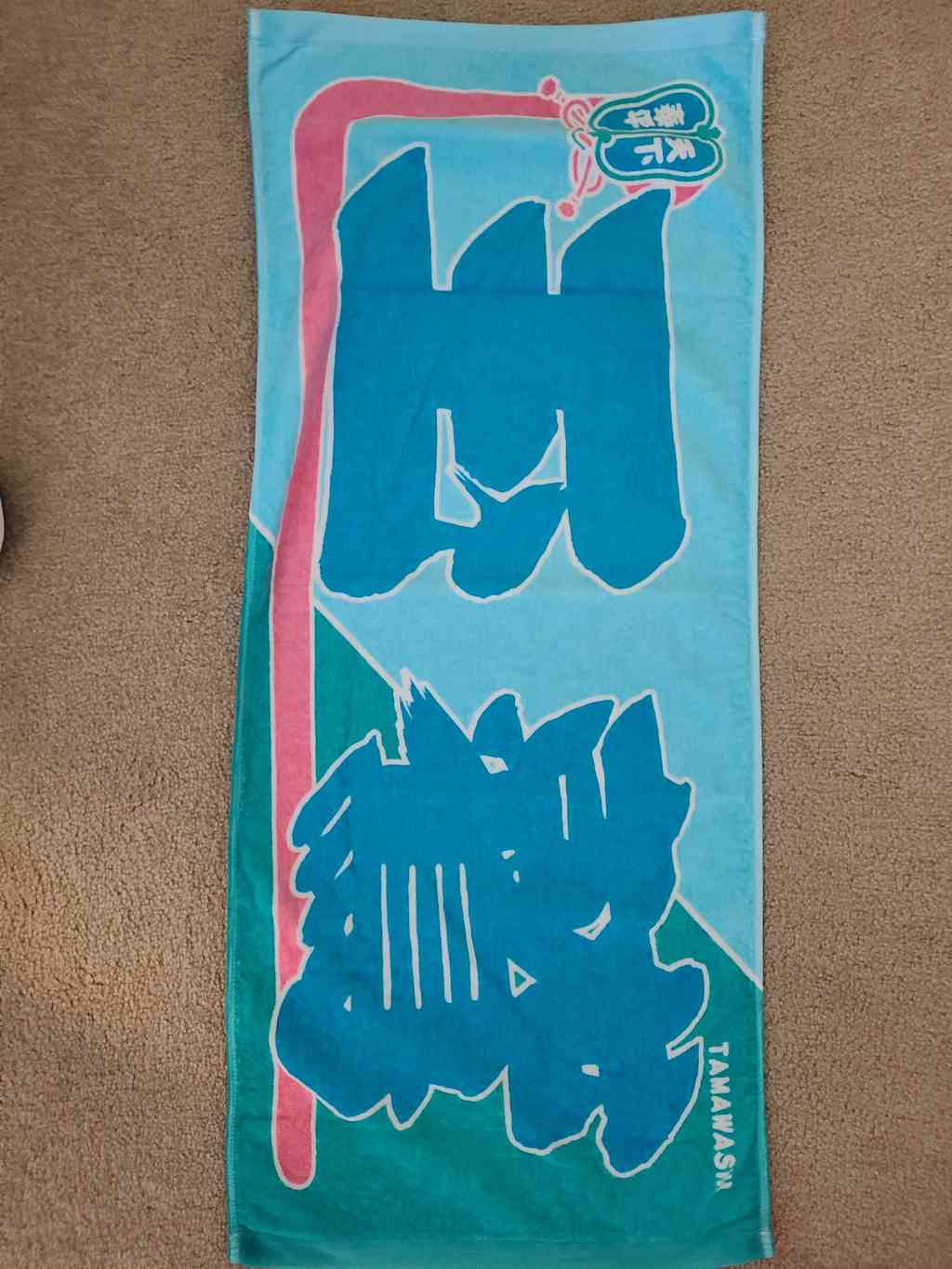
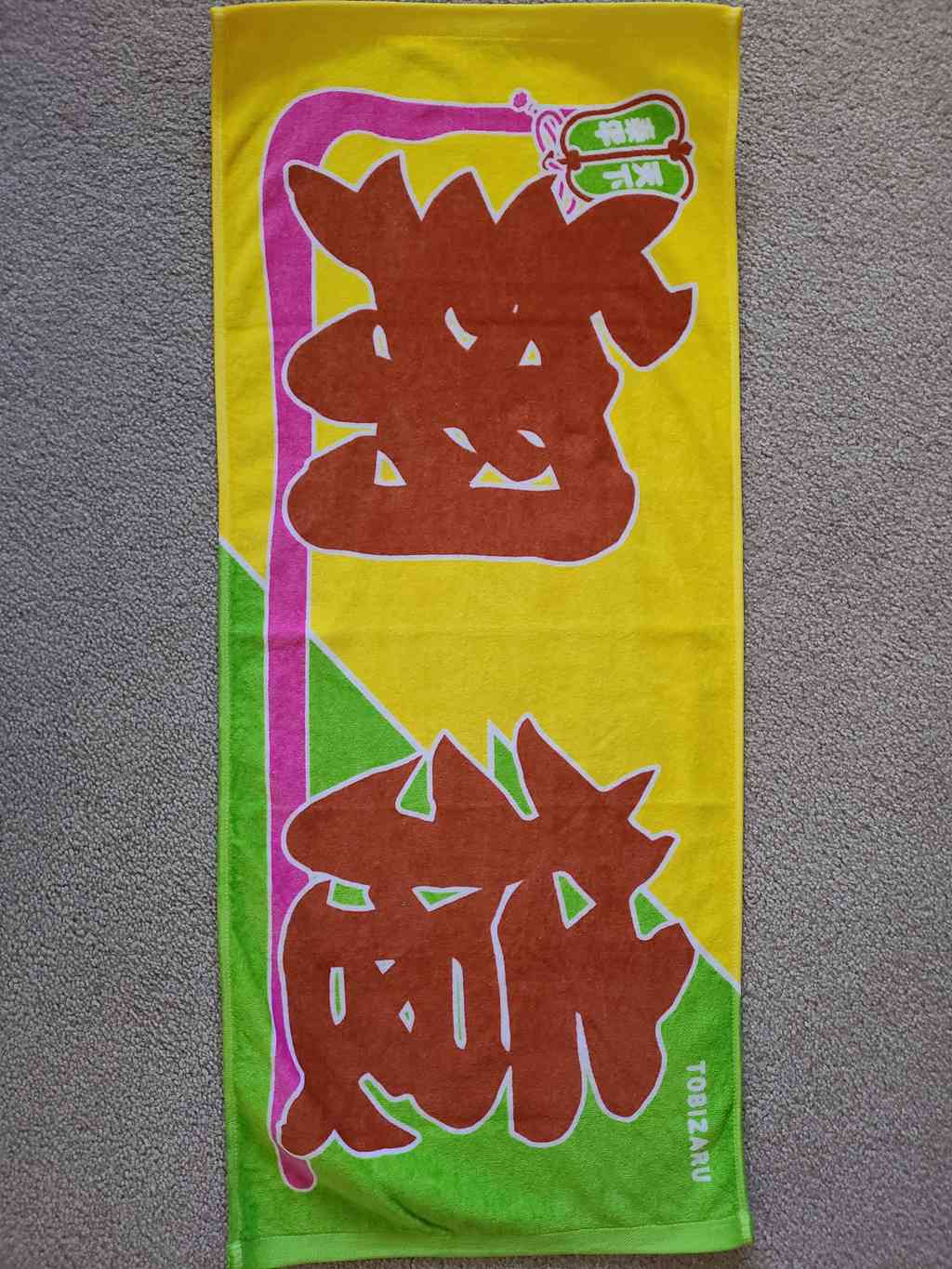
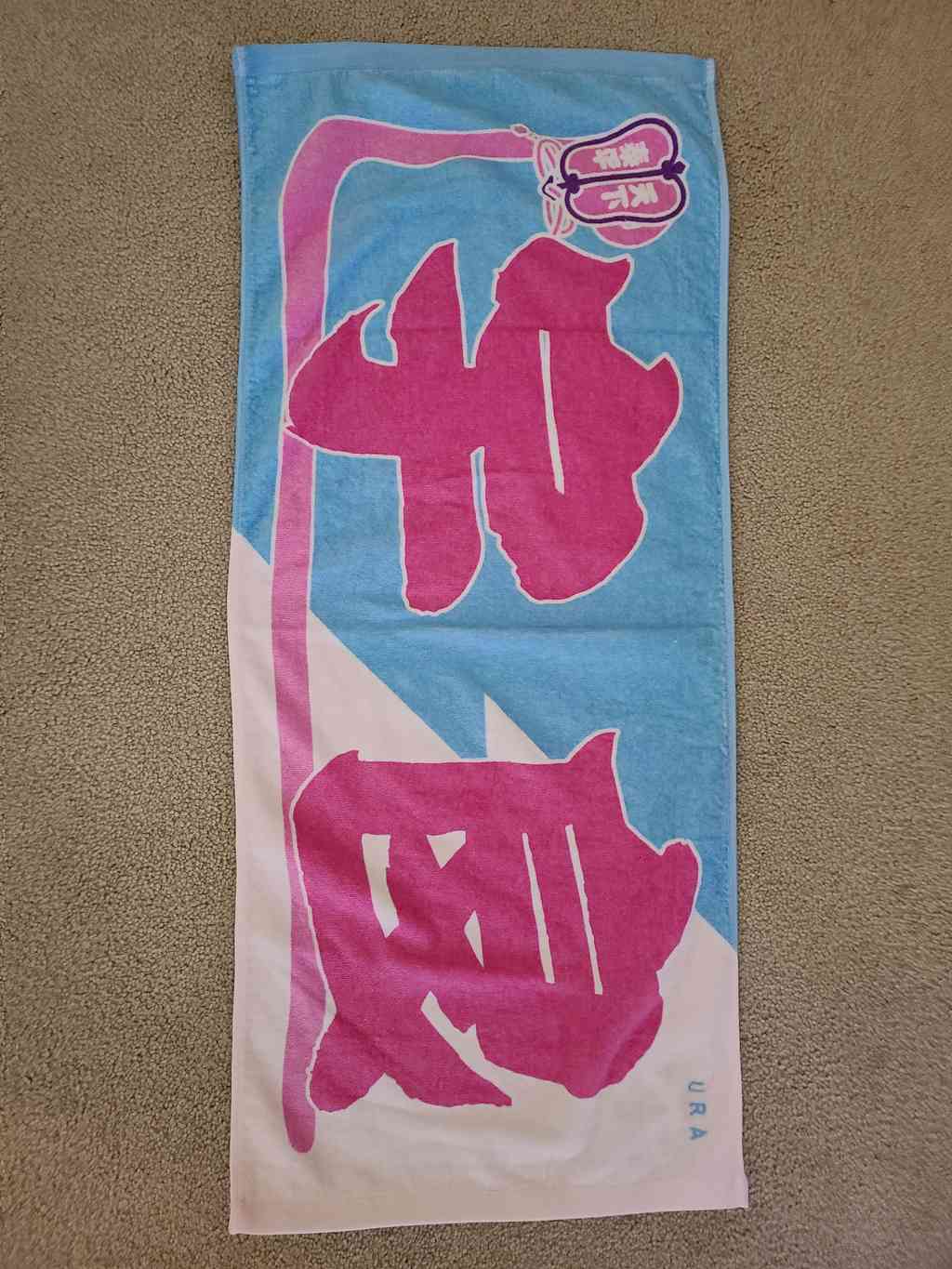
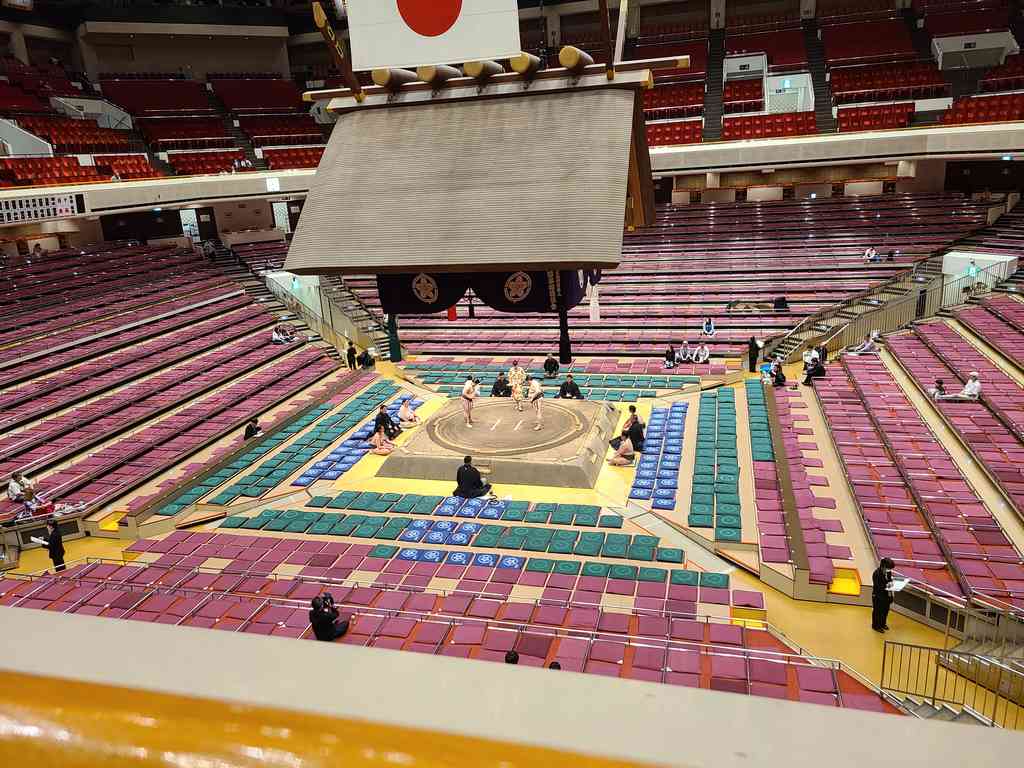
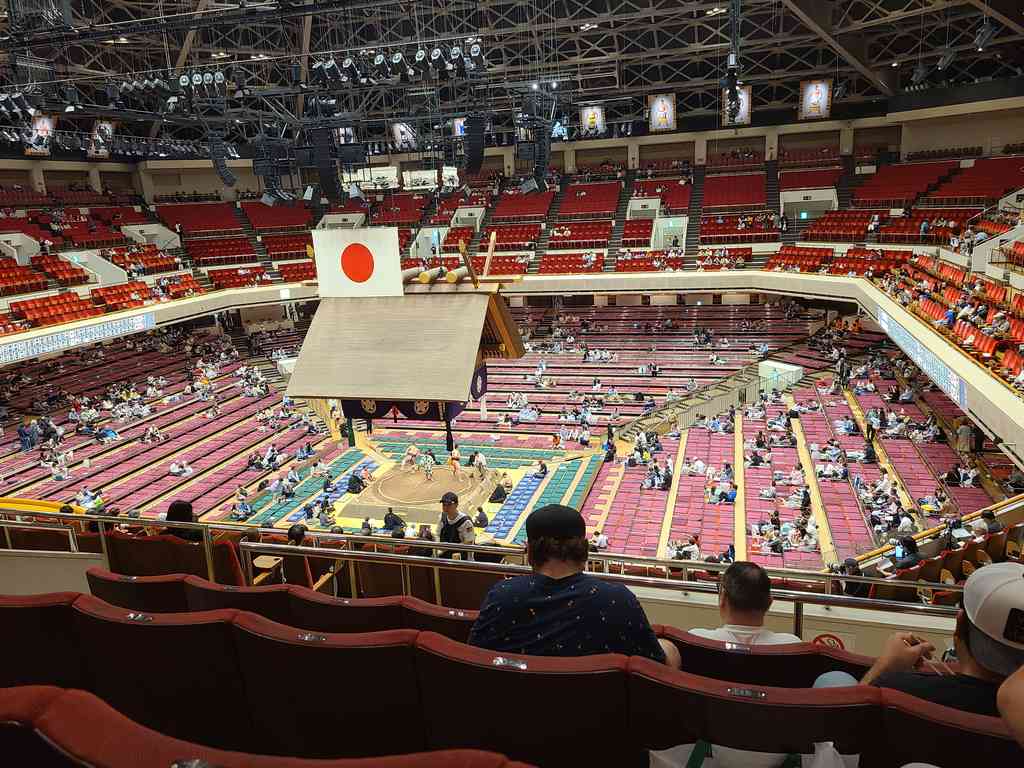
On tournament day, we arrived right at 8 AM. The bouts kicked off at 8:30 AM, giving us plenty of time to wander around the massive stadium, buy some cheer towels for our favorite rikishi, and locate the famous chankonabe restaurant in the basement. The stadium is a bustling festival of food stalls and shops scattered across the first and second floors!
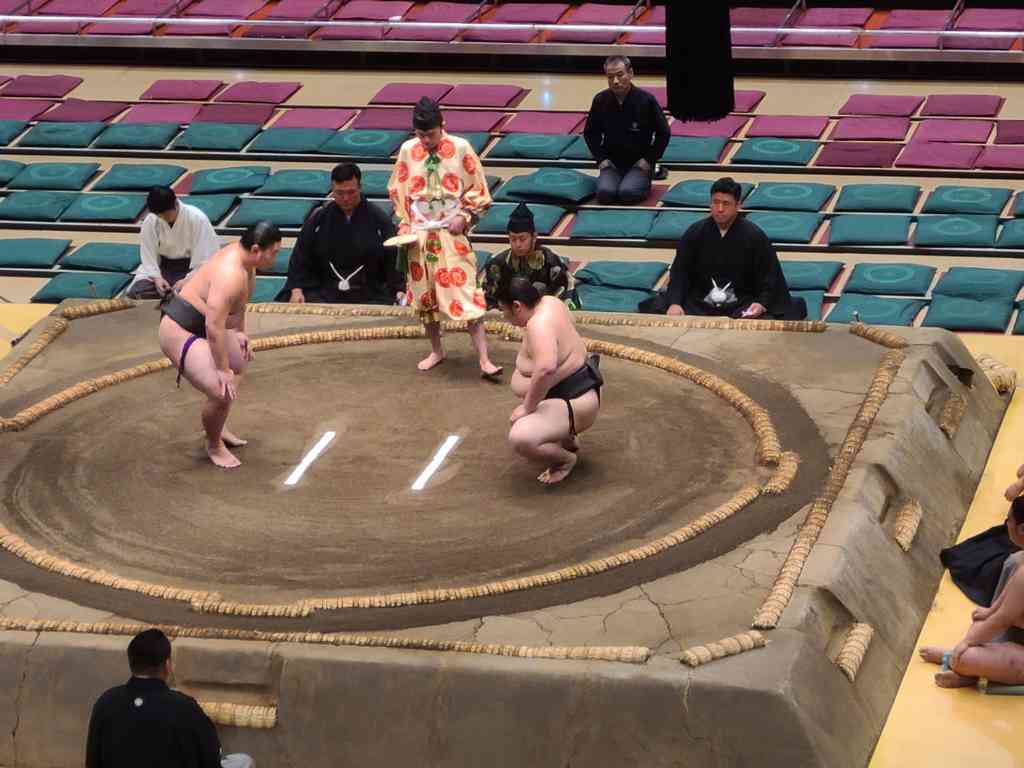
The morning lower-division matches flew by with rapid-fire action, as they skip the ceremonial salt-throwing of the upper divisions. Before we knew it, it was 11 AM, and we rushed down to grab lunch!
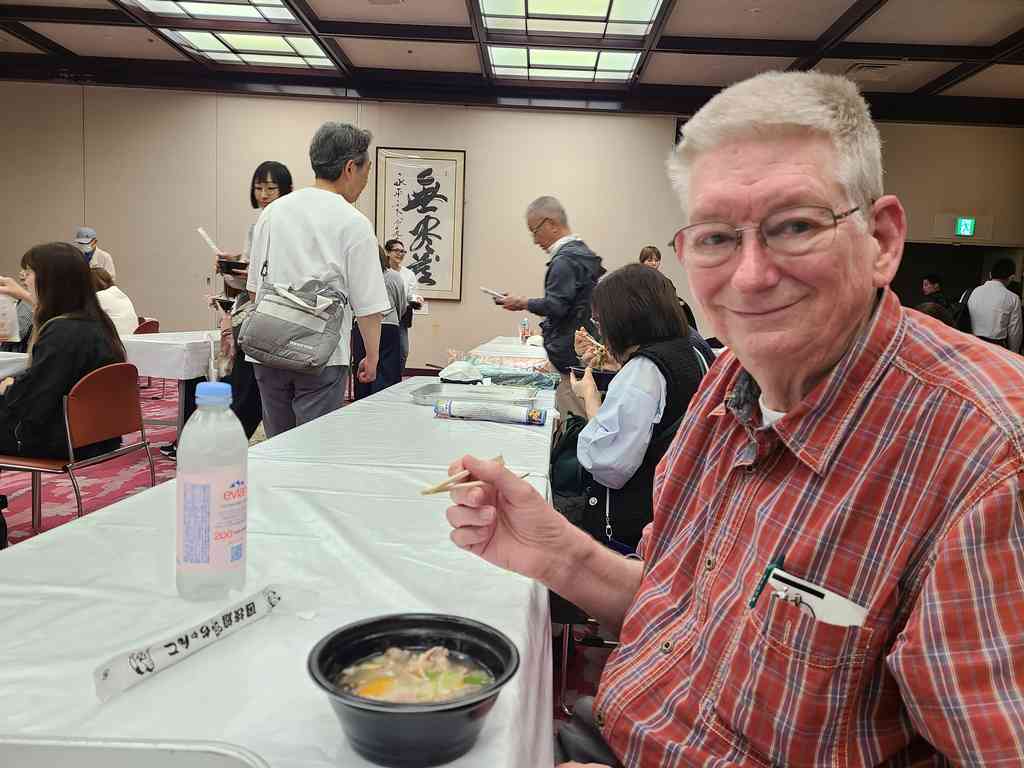
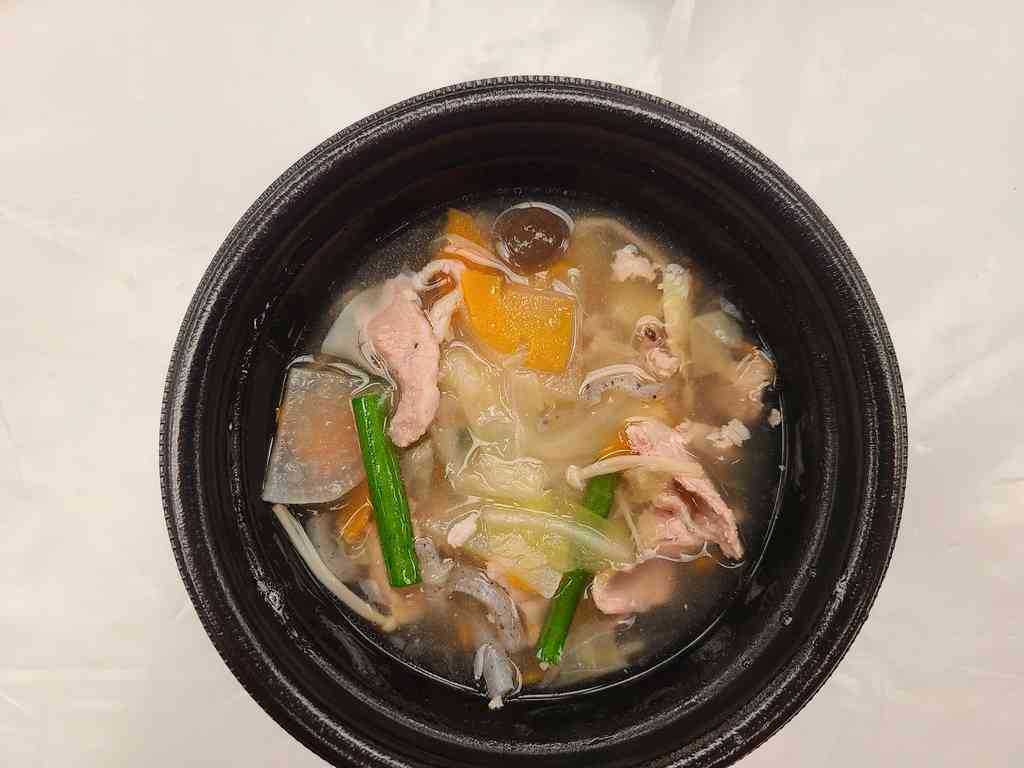
The line for the legendary chankonabe was long but moved fast. This rich, high-protein stew is the secret behind the wrestlers' massive muscle gain, and each sumo stable guards its own generational recipe. The featured stable's recipe that day was absolutely phenomenal! Helen and I savored every bite, and remarkably, this legendary meal was only $5 a bowl!
Fueled up, we headed back to our seats for the start of the Juryo division. The energy in the stadium began to shift as the seats rapidly filled with fans eager for the high-stakes matches.
We were thrilled to watch Enho, one of our absolute favorites and the smallest rikishi in the sport. After a tough injury knocked him out of the top division two years ago, he has been fiercely fighting his way back up. We cheered him on with everything we had!
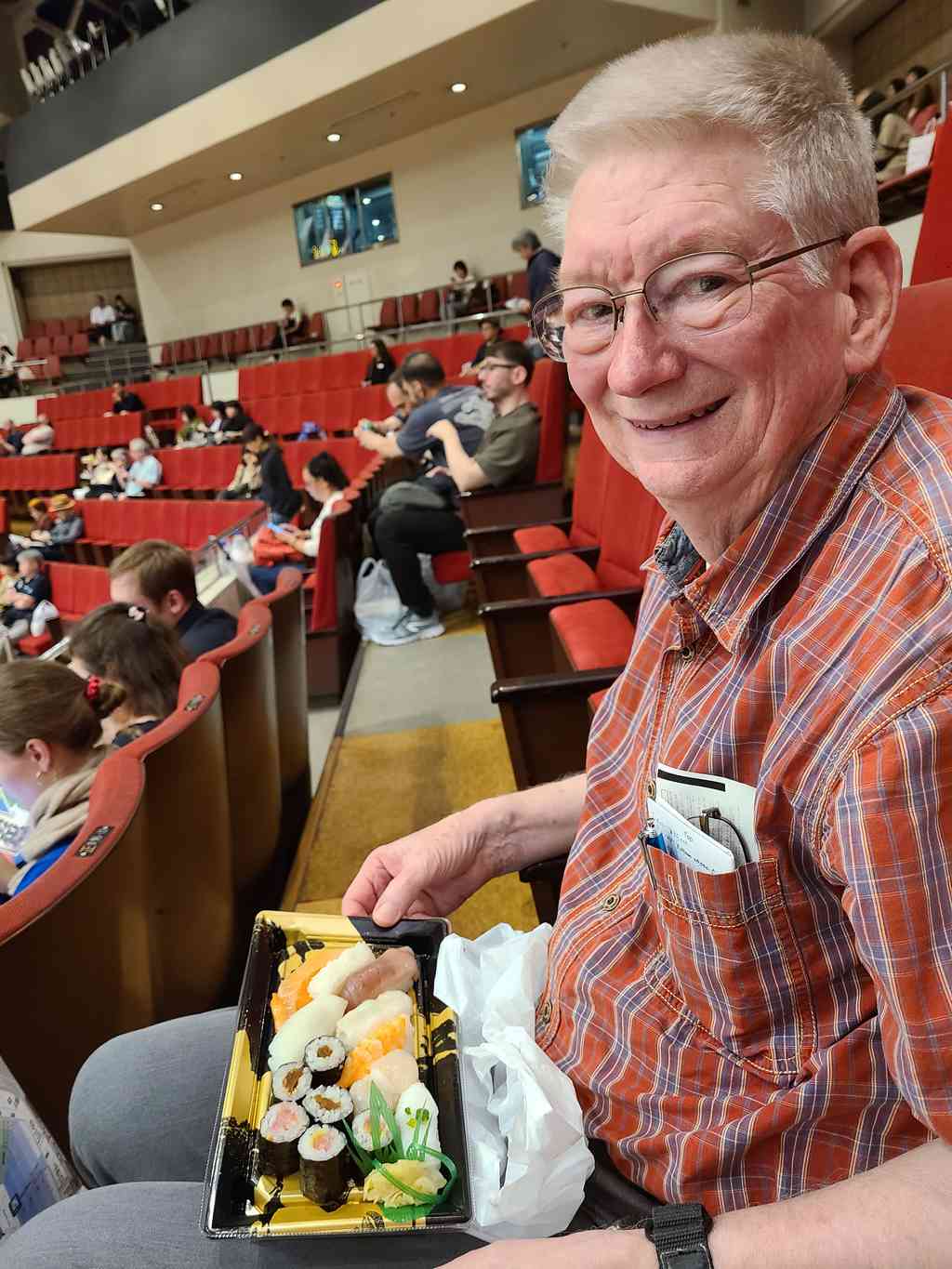
By 2:30 PM, it was snack time! We dashed out to grab a bento box and some famous yakitori (chicken skewers) cooked right in the stadium's basement. Chicken is highly revered in sumo culture because a chicken walks on two legs—and in sumo, the moment any part of your body other than the soles of your feet touches the dirt, you lose!
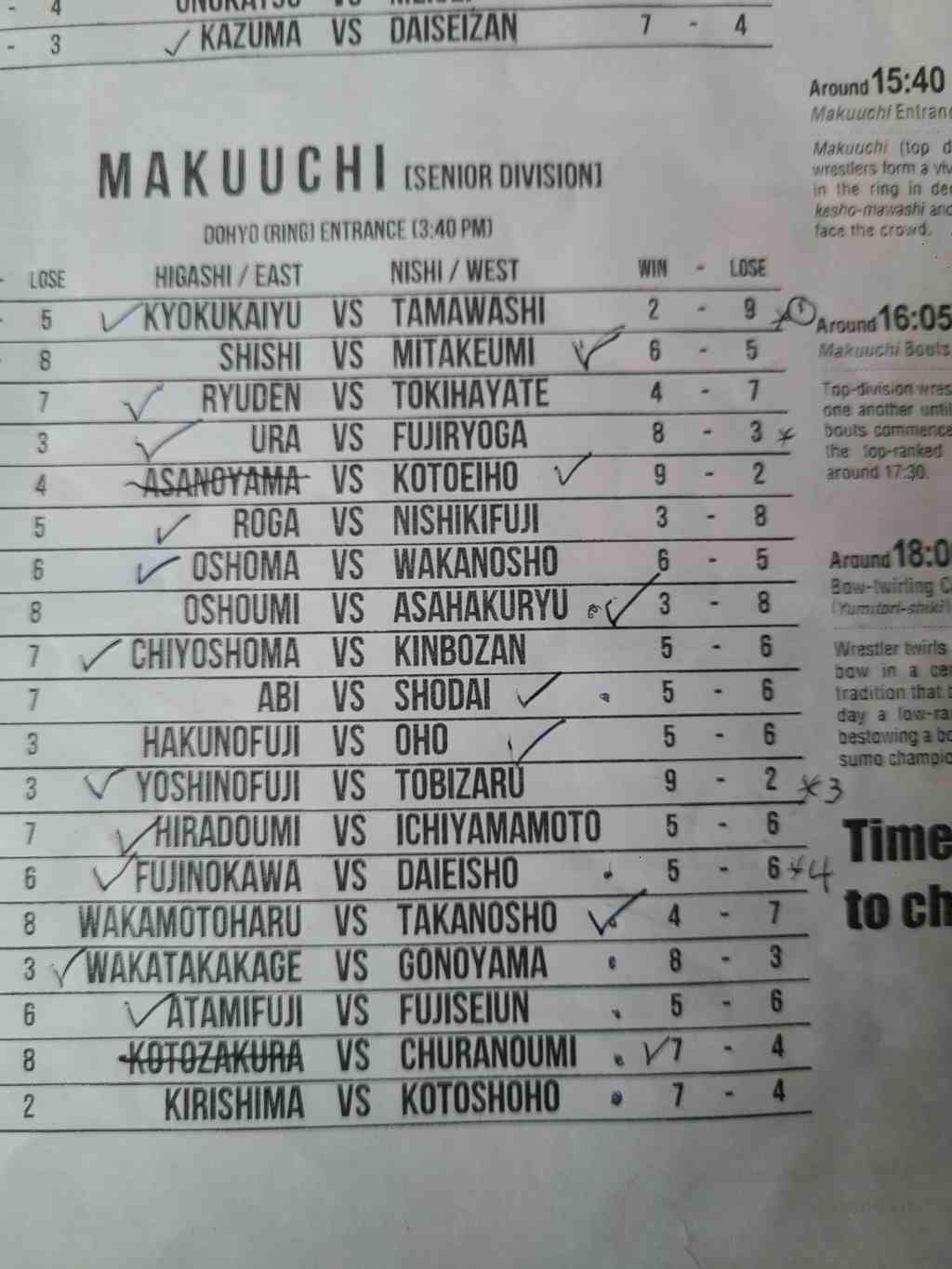
As the afternoon wore on, the top-tier matches finally began. The stadium was absolutely electric, packed to the rafters with roaring fans! It was an incredible thrill to watch all of our favorite titans clash in the ring, even if only half of them managed to secure a victory that day.
When the final bout concluded at 6 PM, we stayed in our seats for another hour, just letting the awe-inspiring atmosphere wash over us while waiting for the train station crowds to thin out.
It was a profoundly spectacular day and an absolute dream come true to watch live sumo. I am already hoping for the chance to experience it again!
Kappabashi Street A.K.A. Kitchen Town
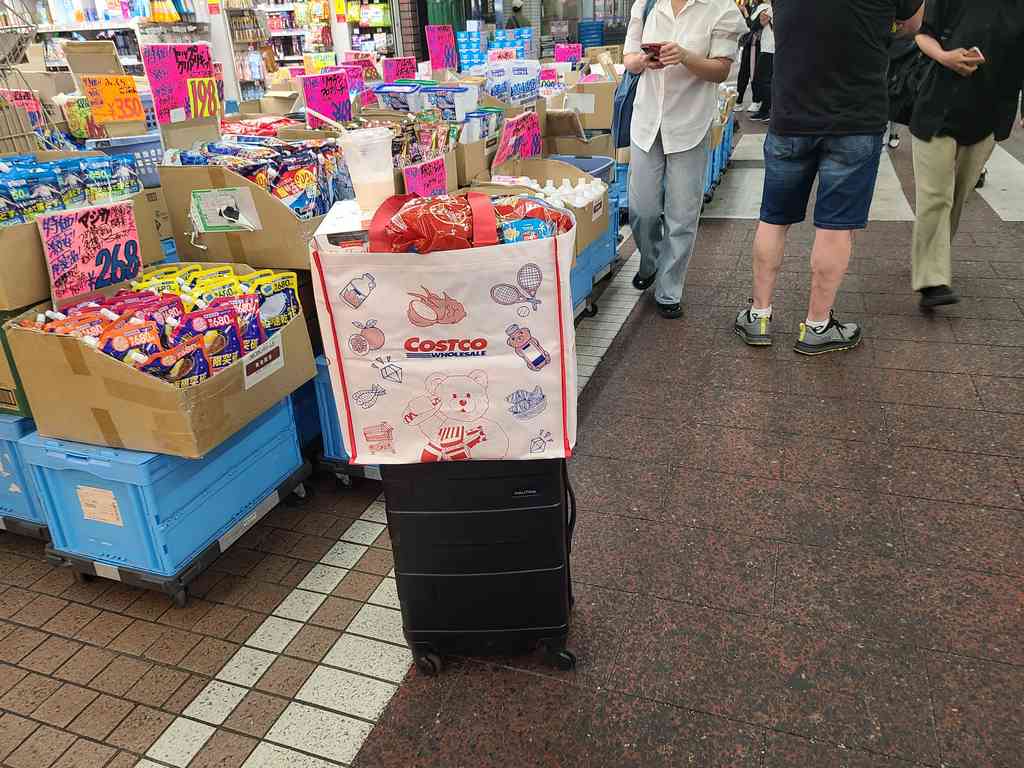
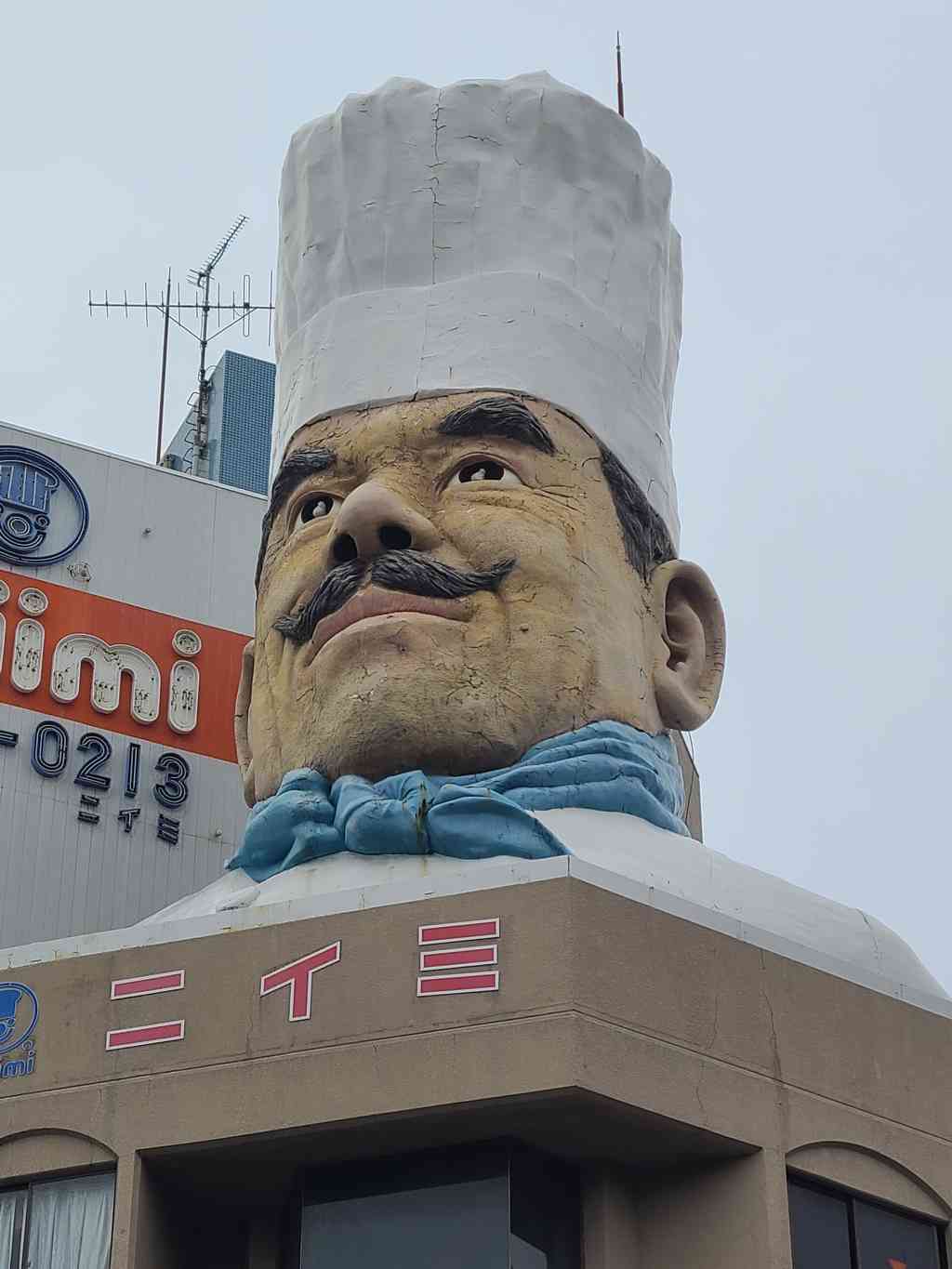
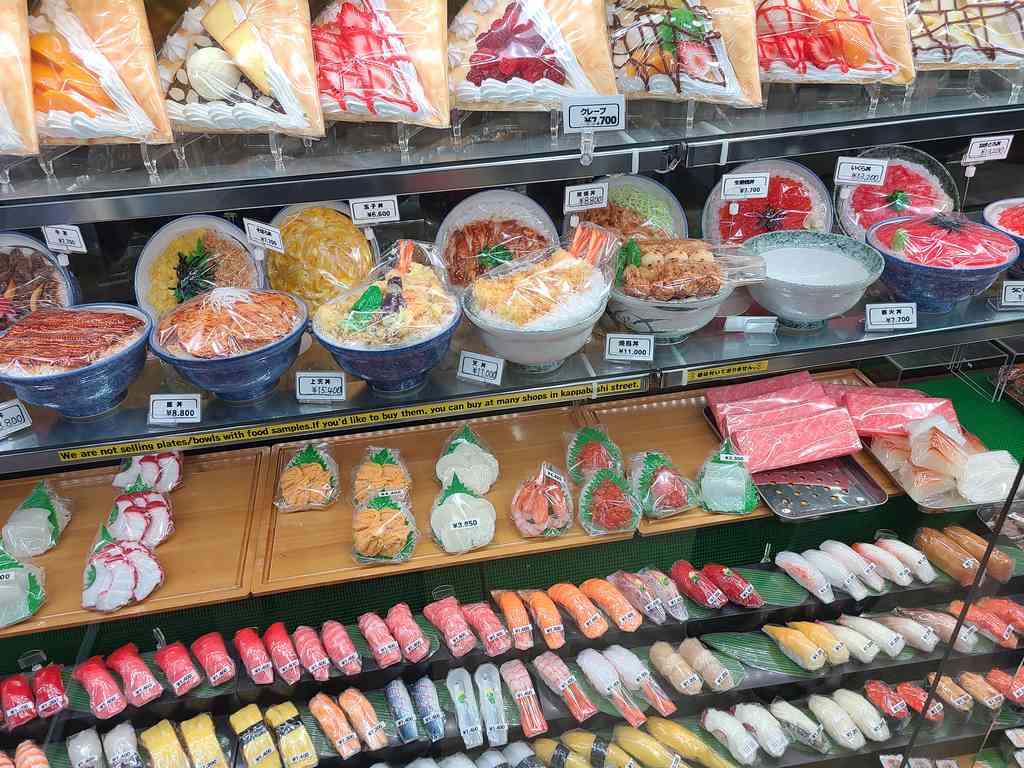
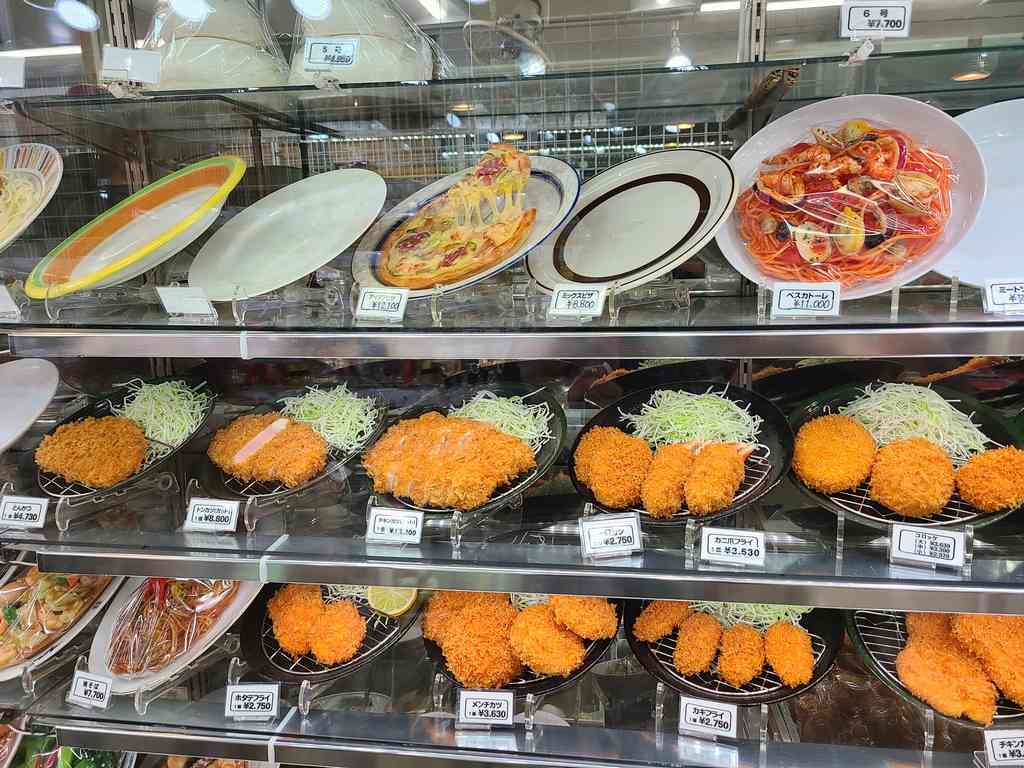
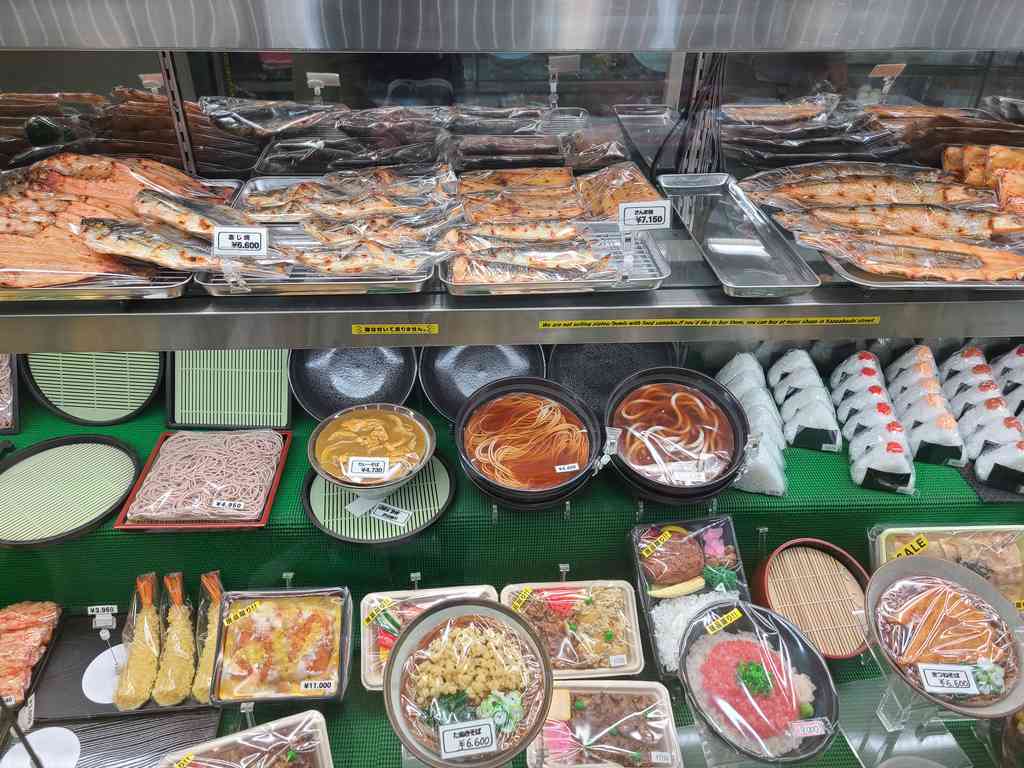
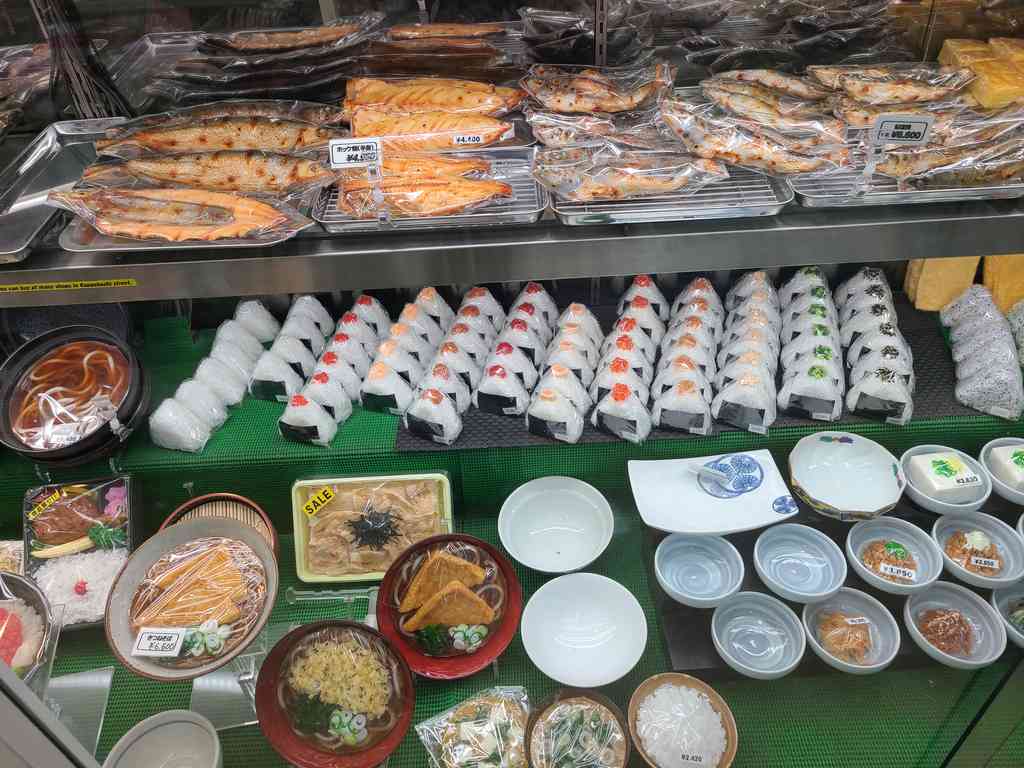
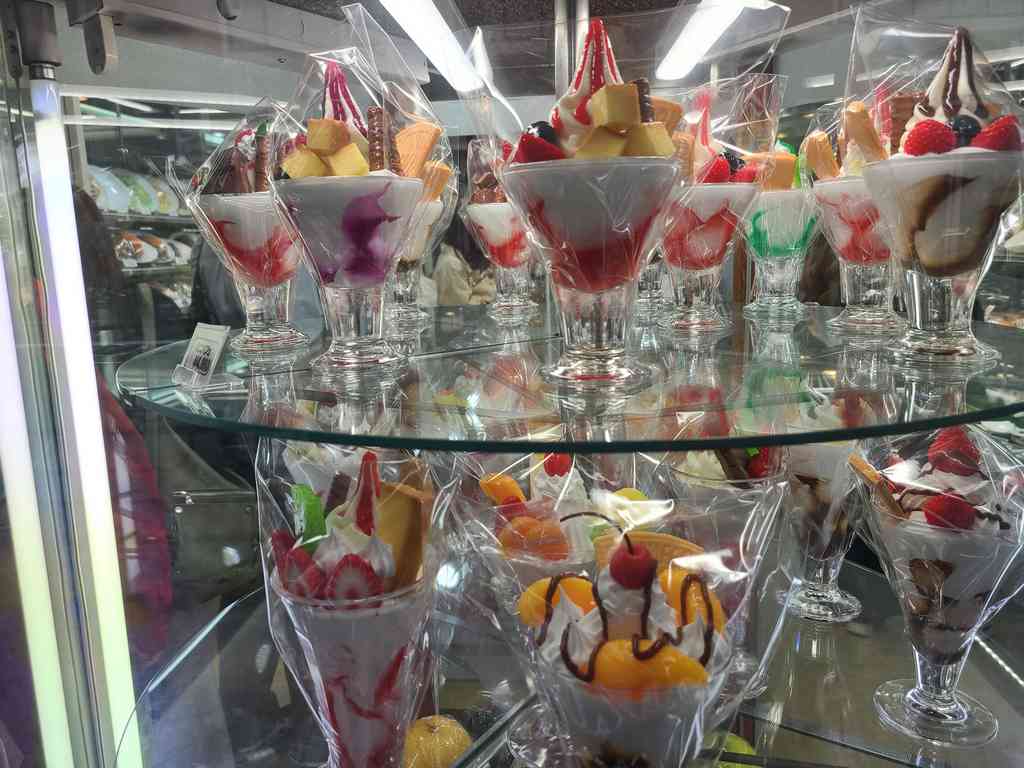
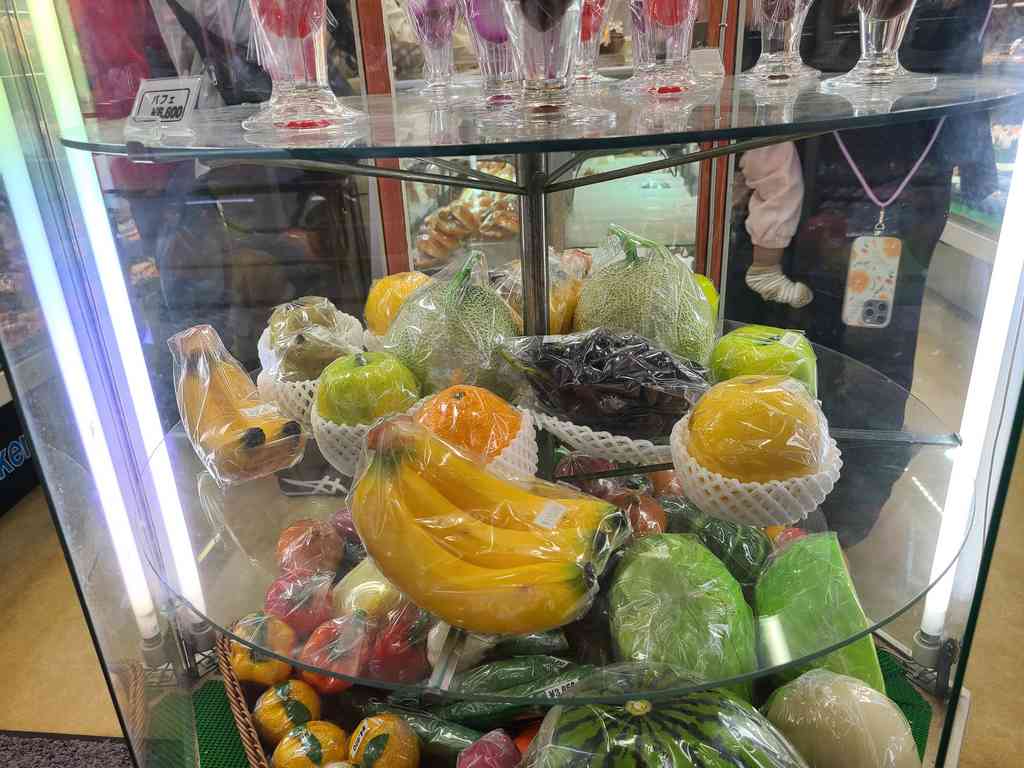
Kappabashi Street is a legendary Tokyo destination—the ultimate supply hub for professional chefs and restaurant owners! It was an absolute blast to wander through the endless shops overflowing with commercial appliances, beautiful ceramics, and those incredibly realistic plastic food replicas! Almost every Japanese restaurant uses these mouth-watering plastic models in their front windows to entice hungry customers inside, and seeing where they are all crafted was fascinating!
Visiting Very Good Friends
During my time living in Japan from 1997 to 1999, I formed some incredible, lifelong friendships. My absolute best friends were Masaki and Miwa! We all worked together in the same NEC building. They were dating back then, and I had the profound honor of being invited to their wedding reception—and was even granted special, rare permission to attend the actual family-only wedding ceremony just before I returned to the USA!
Back in the 90s, Masaki and Miwa were the ultimate tour guides, taking me on epic adventures I never would have found on my own, including climbing to the very summit of Mount Fuji! They introduced me to the relaxing Japanese public bath culture, and Masaki, knowing I was an electronics aficionado, led me on countless expeditions through Akihabara (Tokyo's electric town). Masaki had a superhuman ability to navigate narrow, hidden back staircases to find obscure second-floor shops that sold exactly the rare components I was looking for!
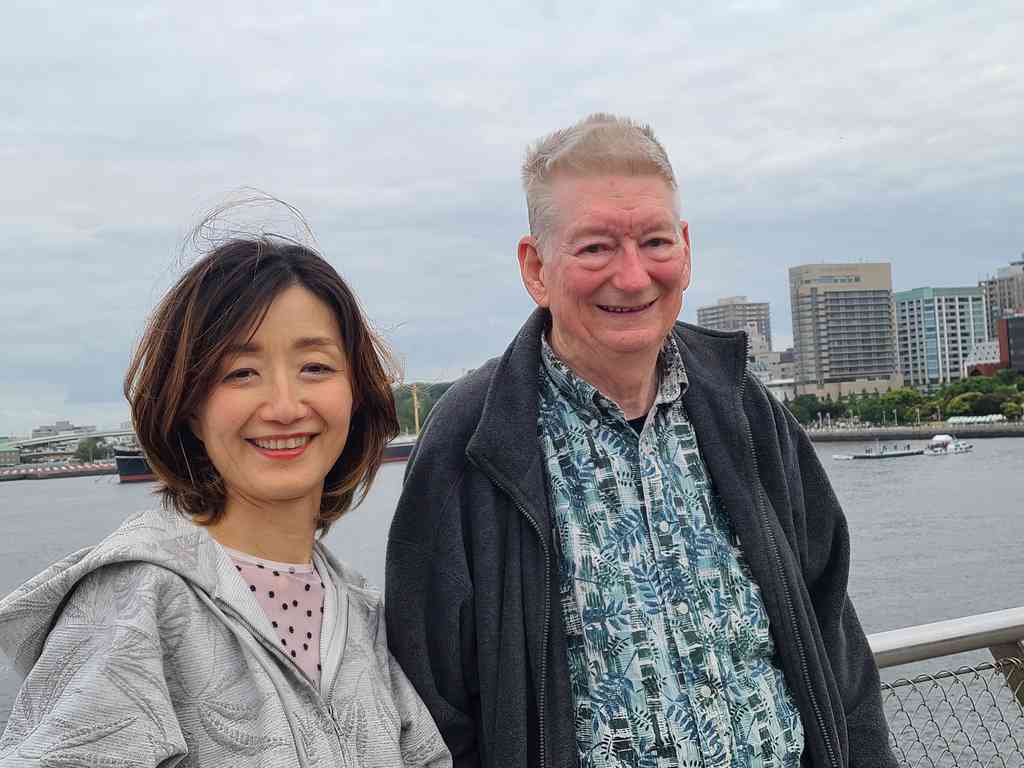
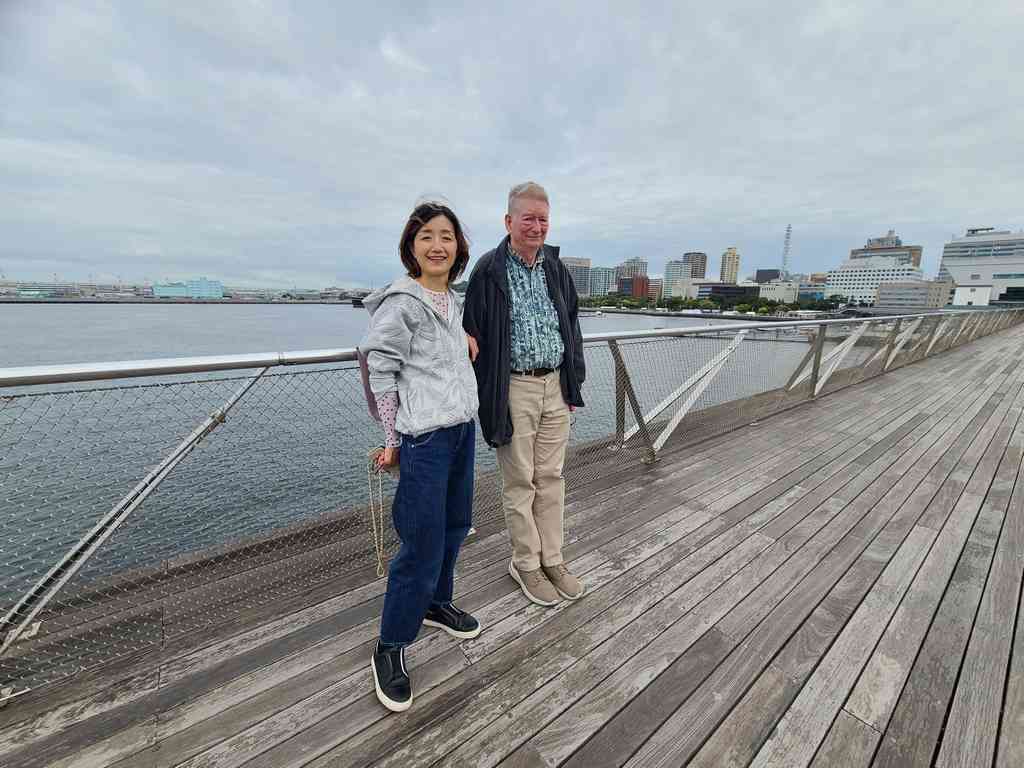
Reuniting with them was an absolute "must-do" on this trip! They graciously invited Helen and me to their beautiful home for an incredibly delicious okonomiyaki lunch. Okonomiyaki is a savory, pan-fried Japanese batter cake packed with a mountain of delicious ingredients, and it was out of this world!
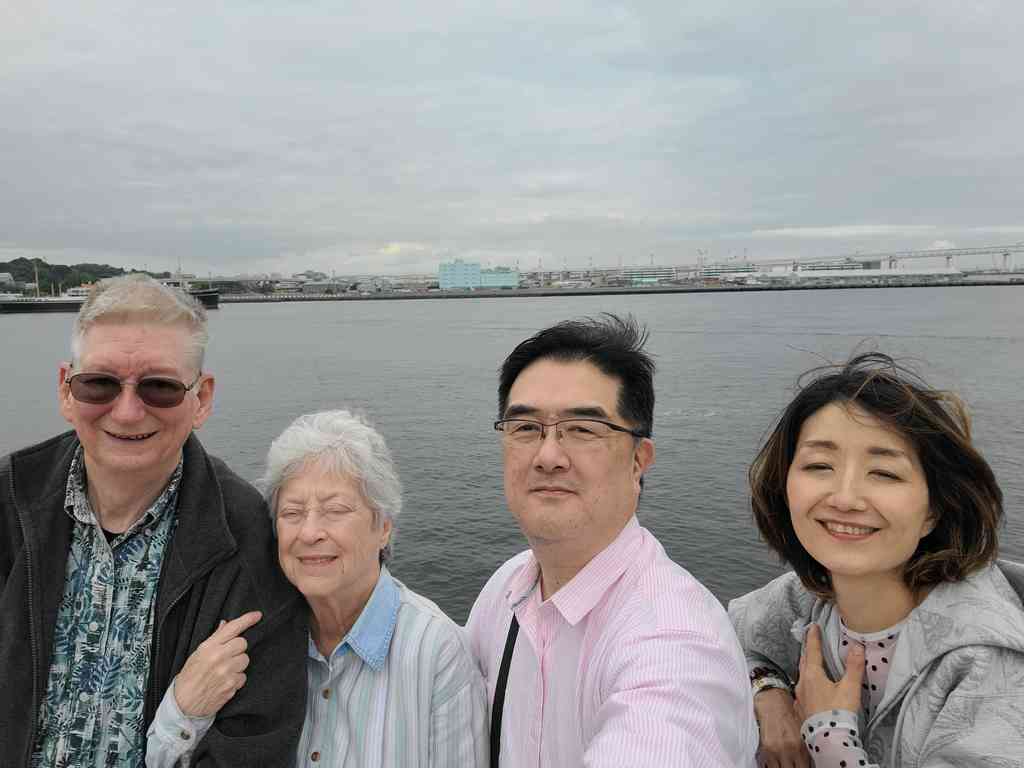
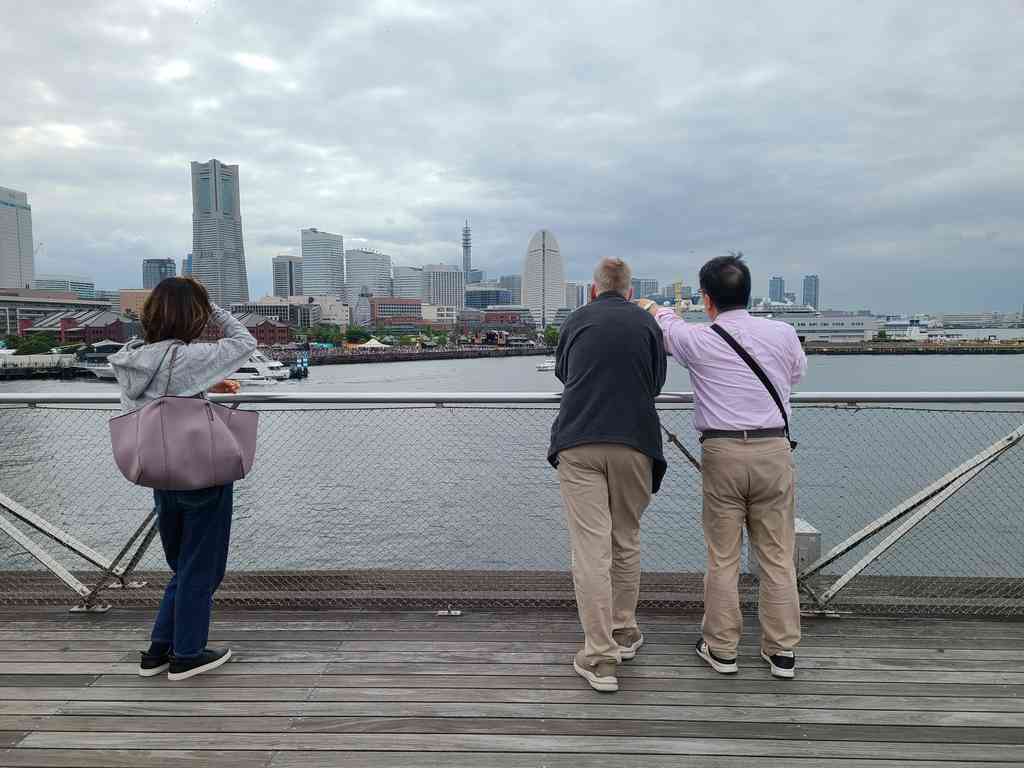
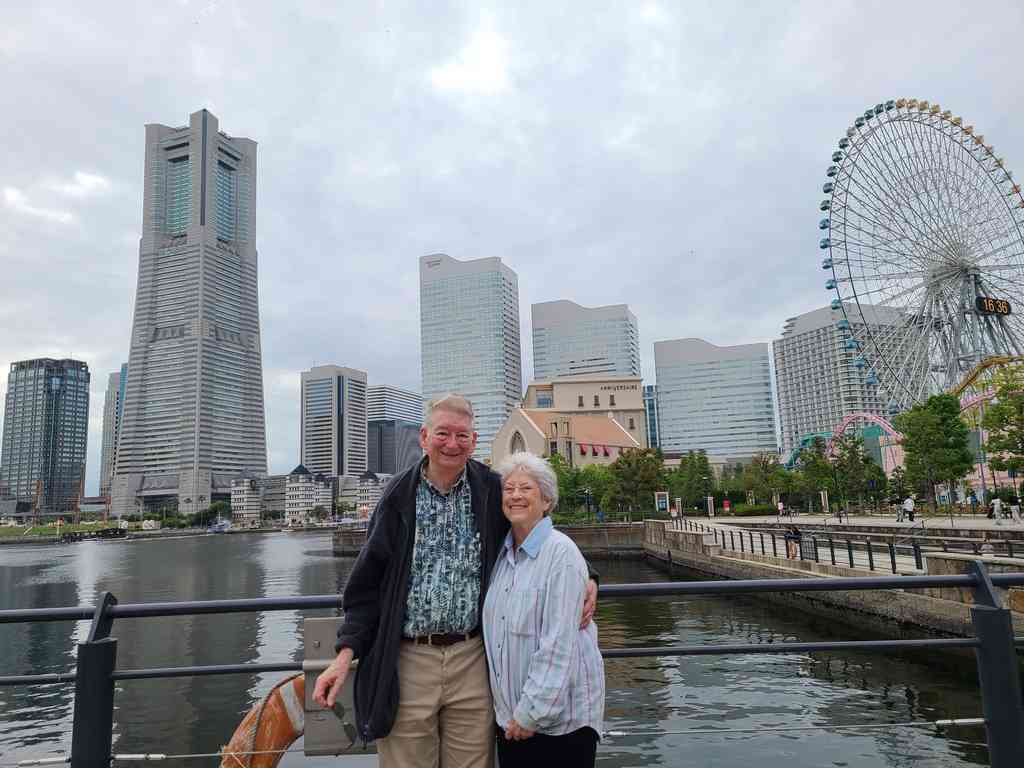
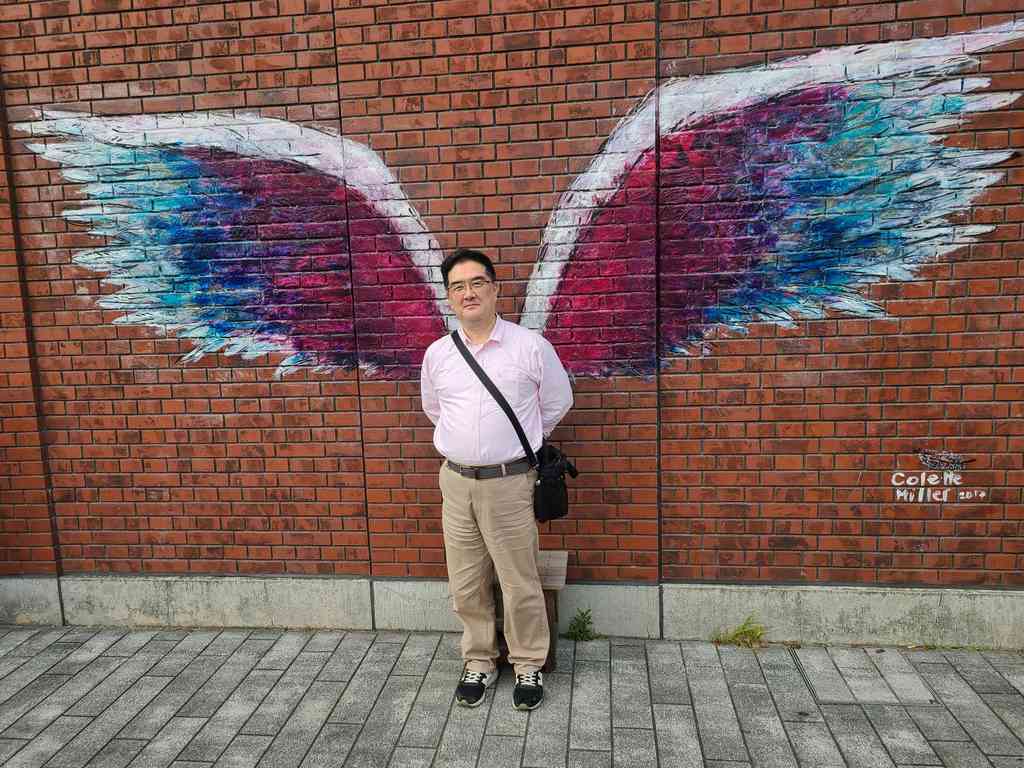
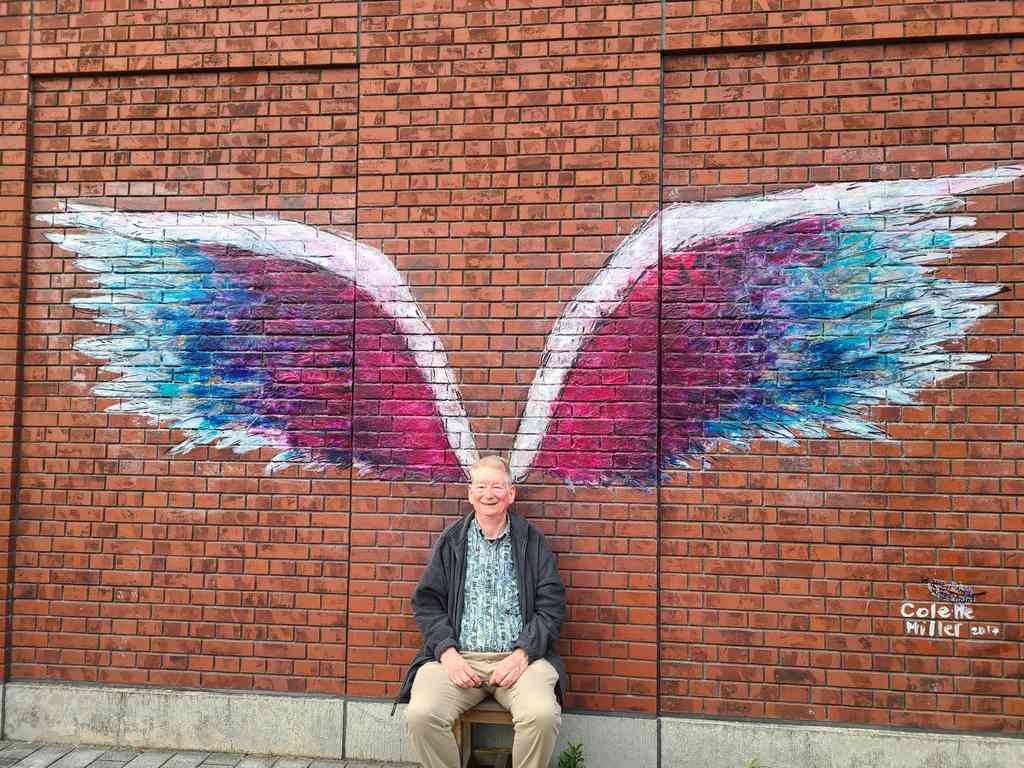
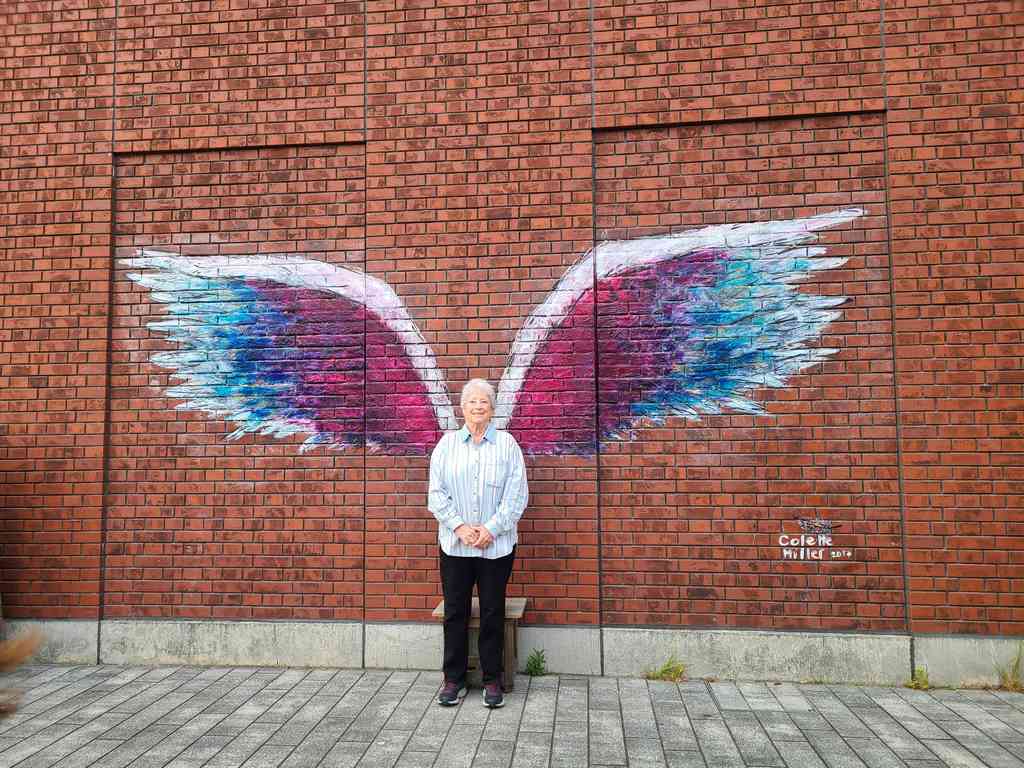
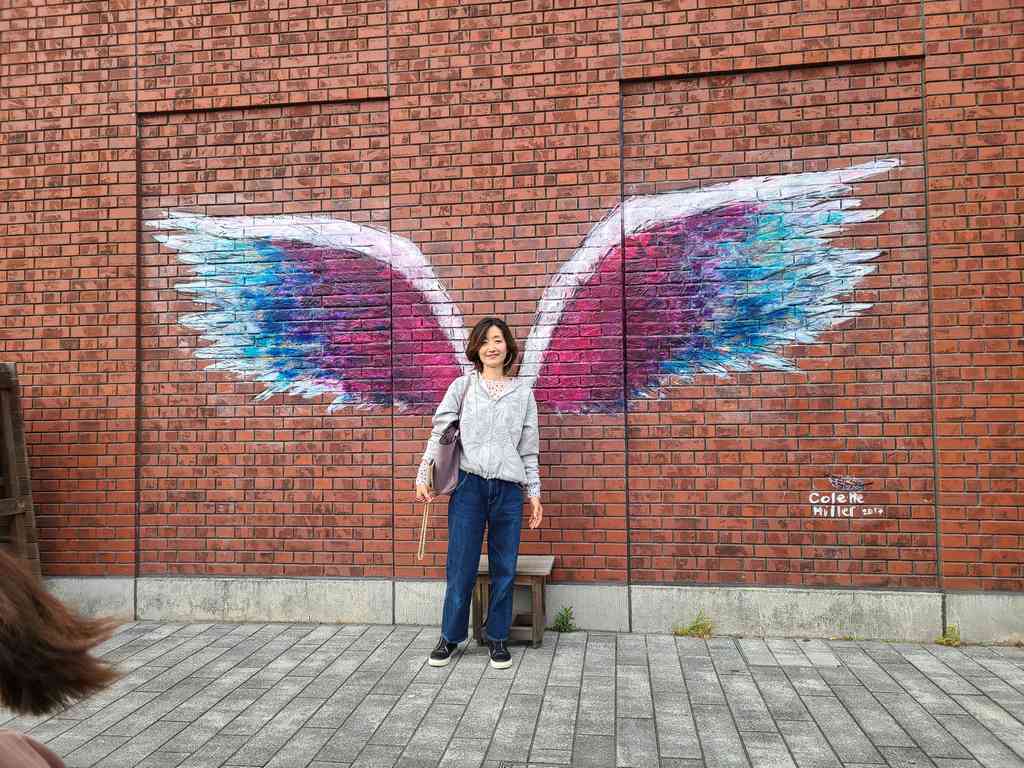
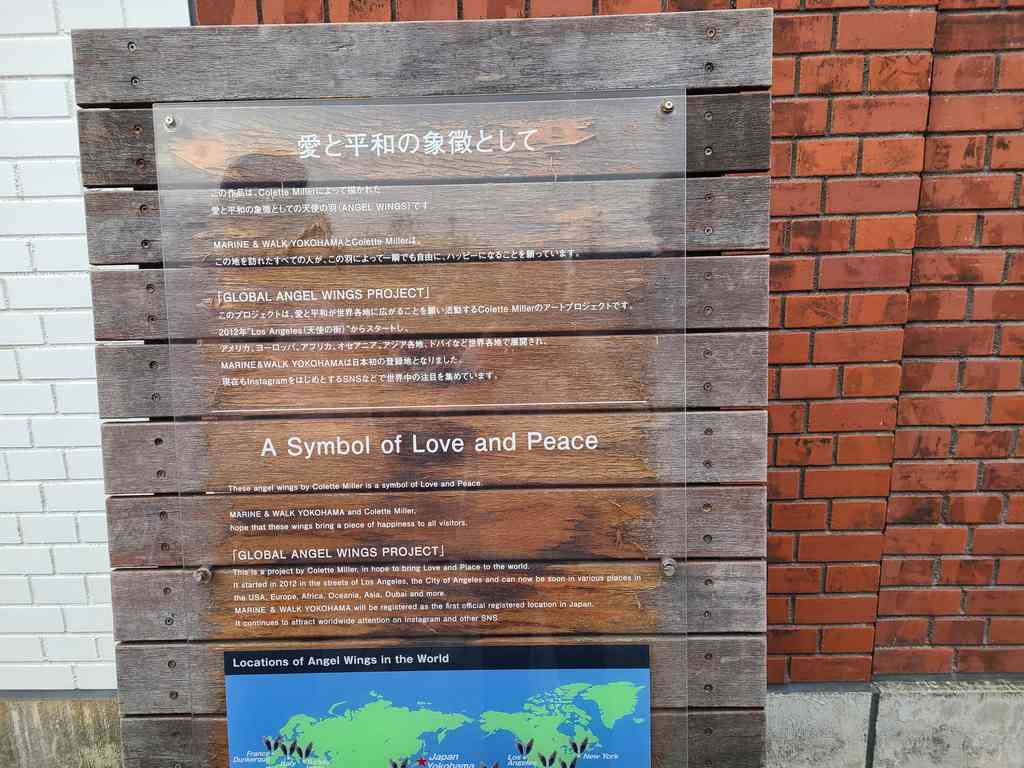
After a wonderful lunch spent laughing and catching up, Masaki's expert tour-guide instincts kicked back in, and they treated us to a fantastic tour of Yokohama! Yokohama has fascinating historical significance, as it was the designated port city where all foreigners were restricted to living after Commodore Matthew C. Perry officially opened Japan to the West in the 1850s.
Shibuya and Harajuku Areas of Tokyo
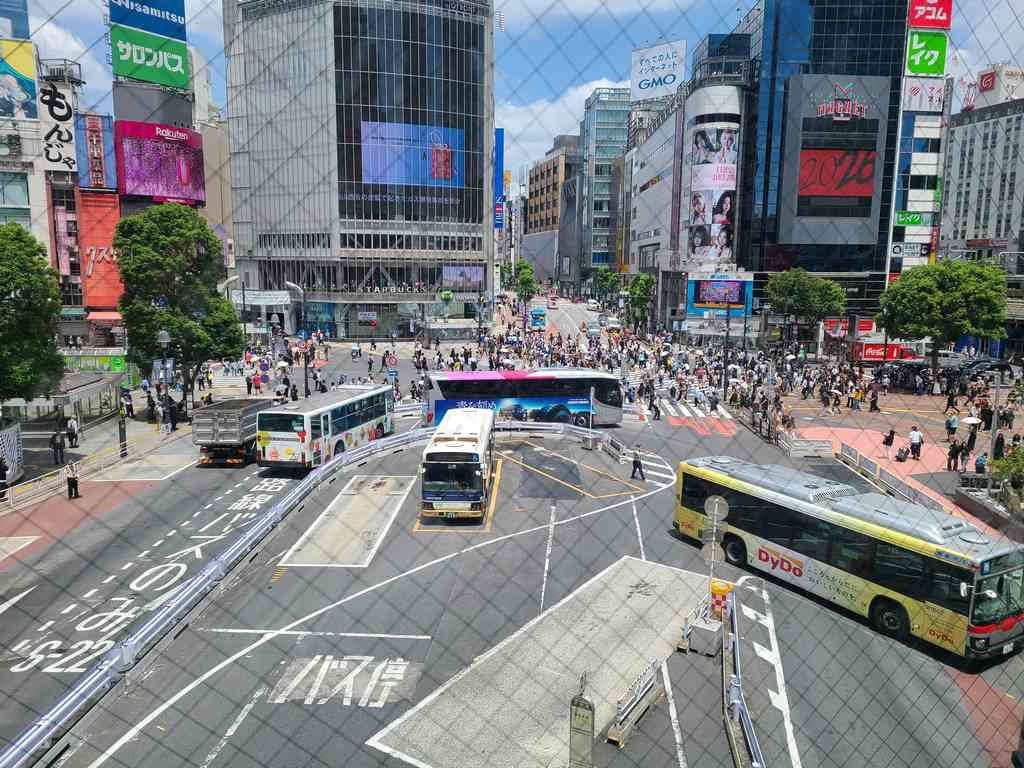
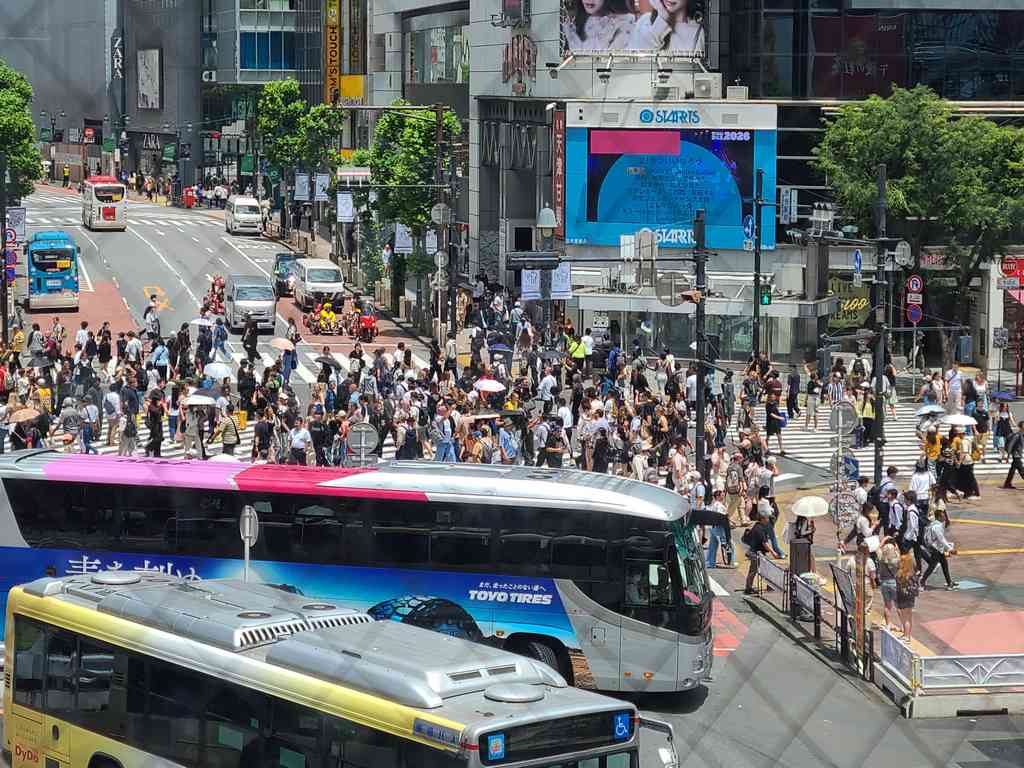
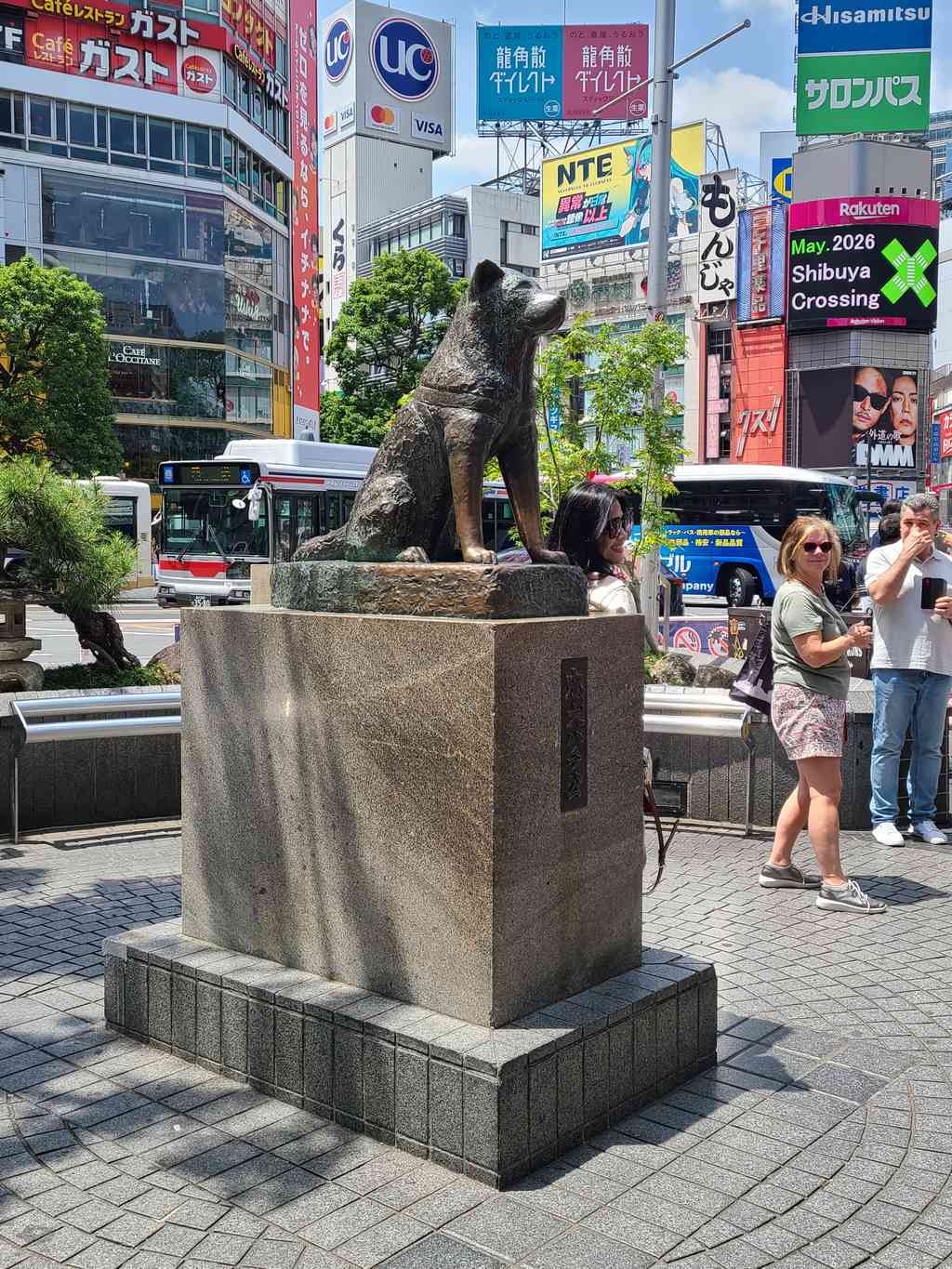
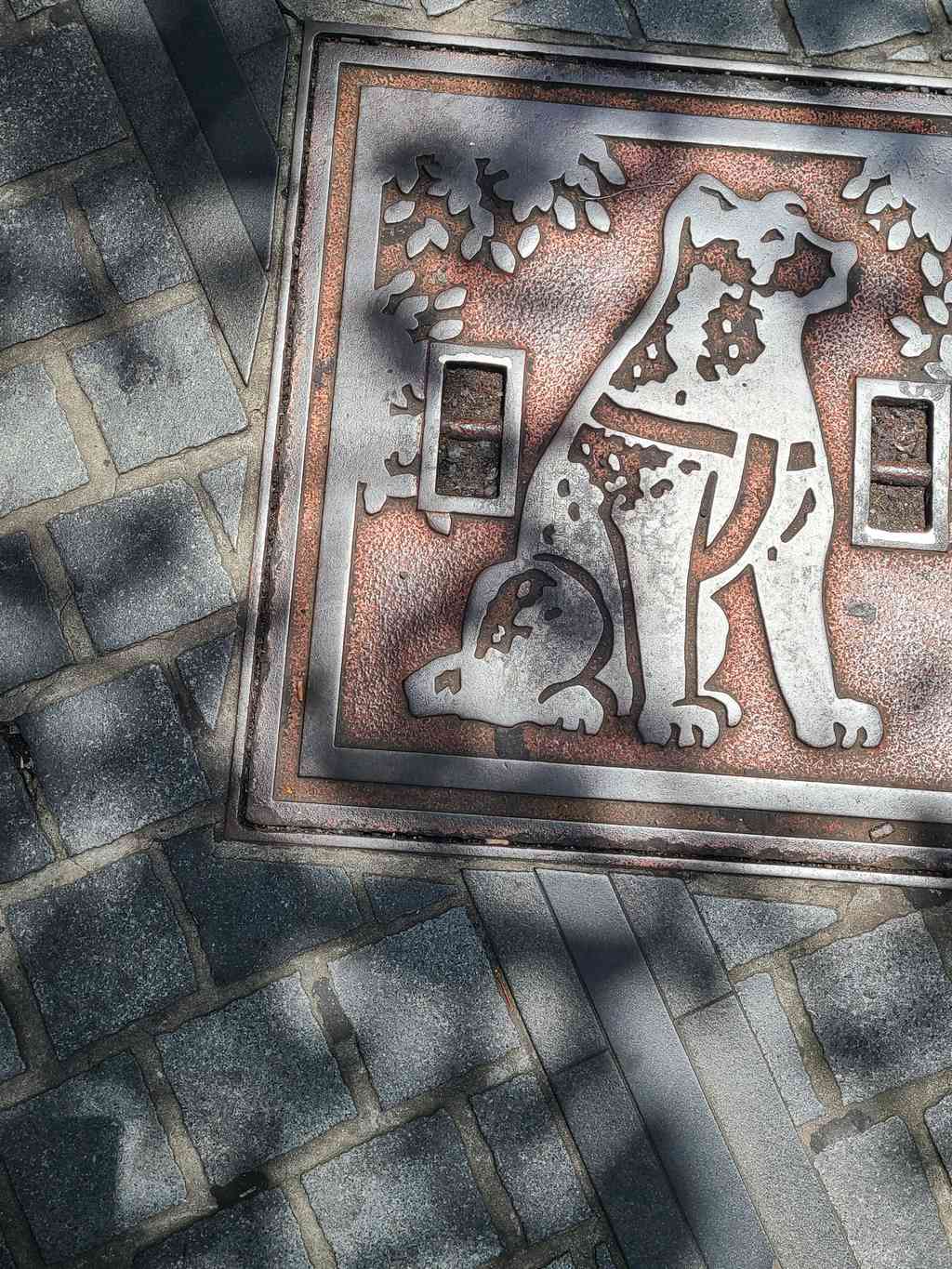
The area surrounding Shibuya Station is the high-voltage epicenter of Tokyo's urban culture! Its crown jewel is the world-famous Shibuya Scramble Crossing—a massive intersection where traffic stops entirely, allowing thousands of pedestrians to surge across the street in every direction simultaneously. It is an awe-inspiring snapshot of Tokyo's relentless, thrilling energy! Just outside the station stands the beloved bronze statue of Hachiko, the legendary Akita dog who loyally waited for his deceased owner every day for years. Today, it serves as Tokyo's most iconic meeting spot.
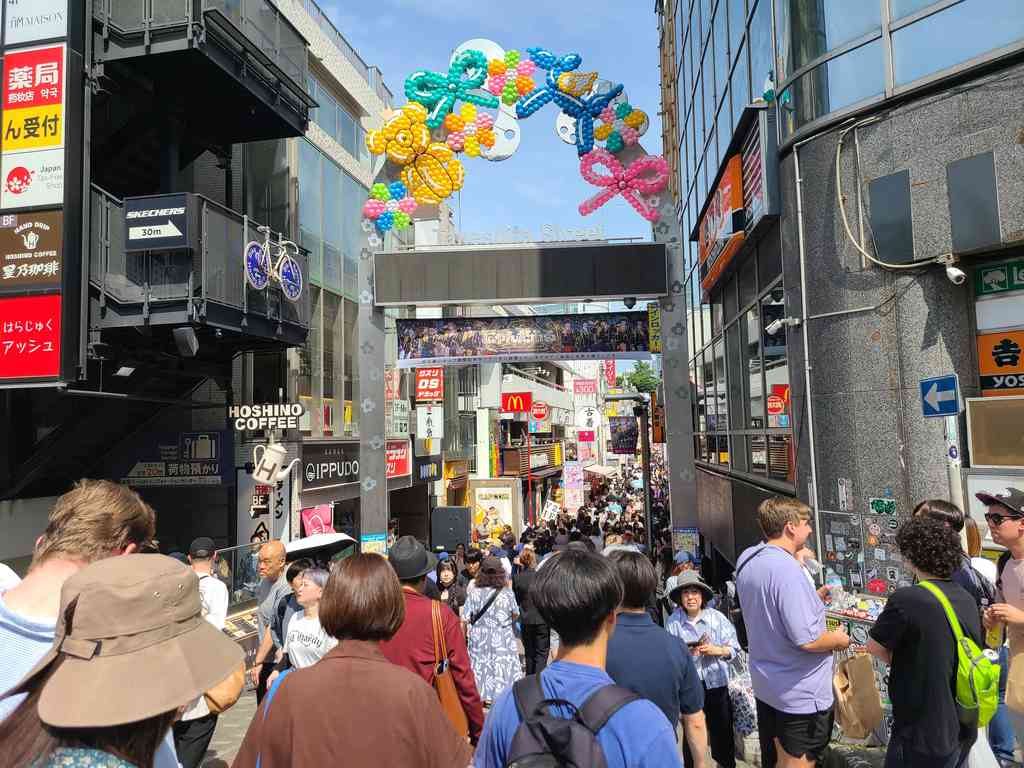
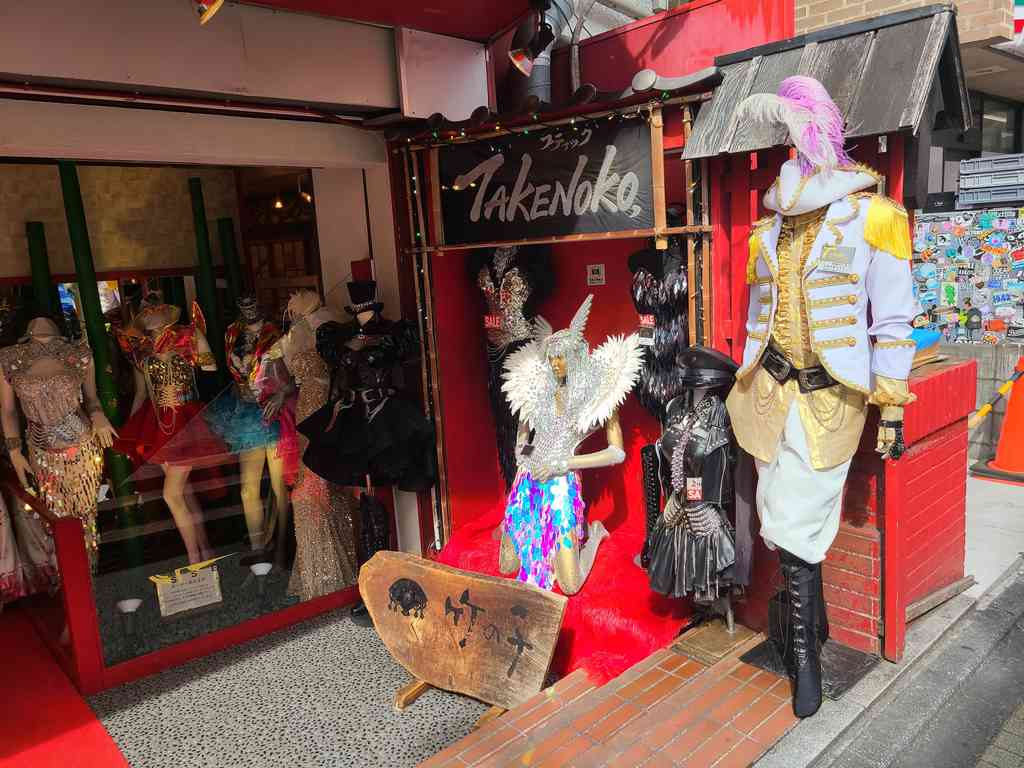
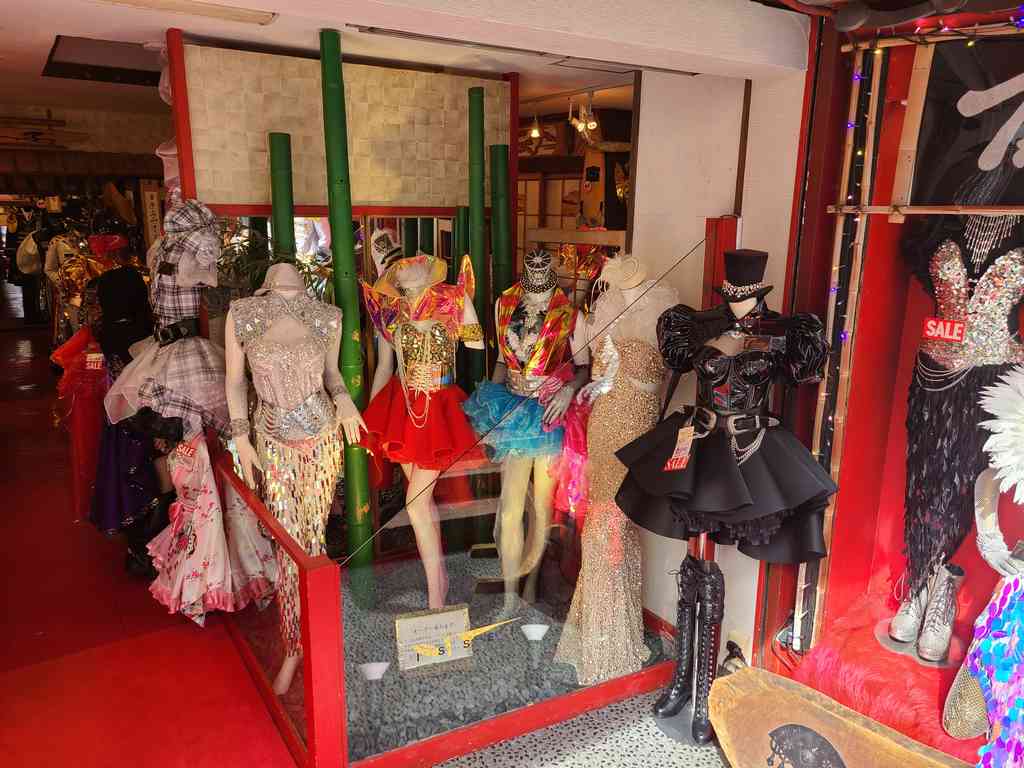
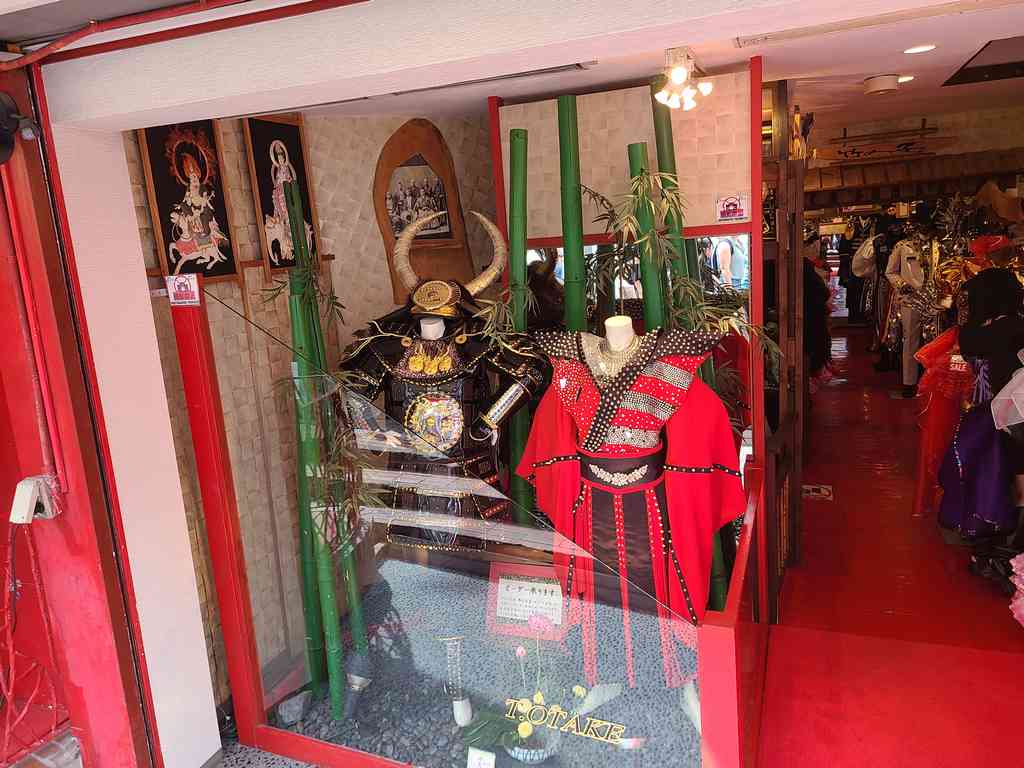
Just up the Yamanote line lies Harajuku, Tokyo’s vibrant, neon-soaked epicenter of youth culture, cosplay, and cutting-edge fashion! The beating heart of the district is the famous Takeshita Street—a bustling, pedestrian-only runway packed with colorful boutiques, wild novelty shops, and trendy crepe stands. It is an absolute sensory overload and incredibly fun to explore!
Tonki, My Absolute Favorite Pork Cutlet Restaurant
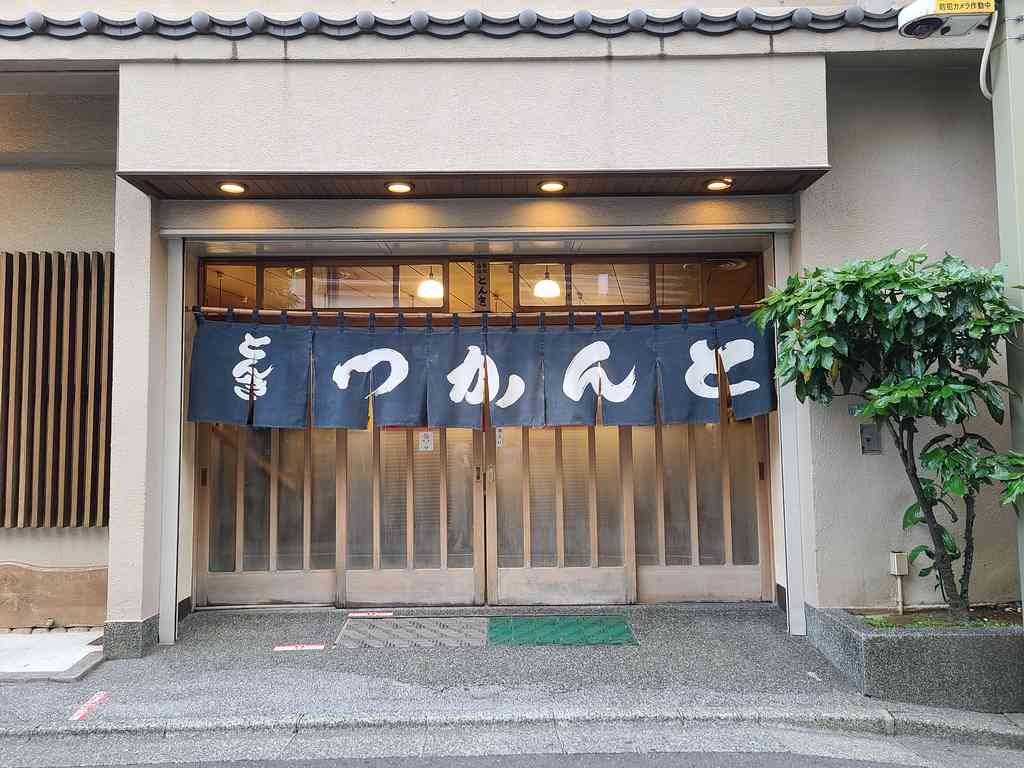
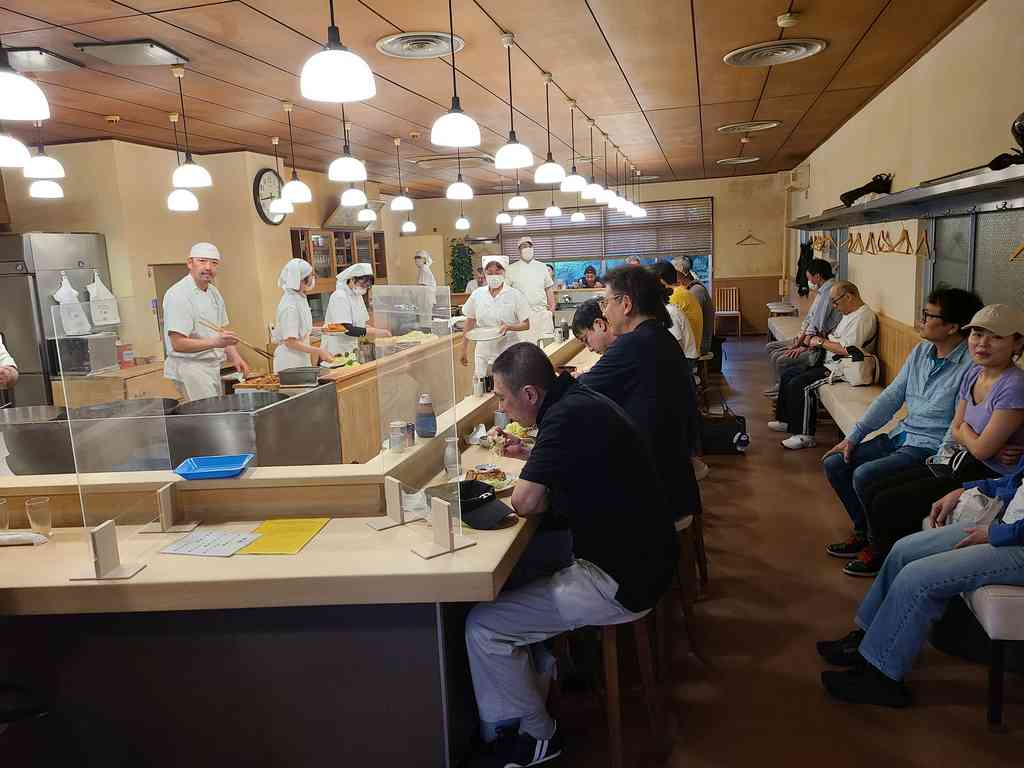
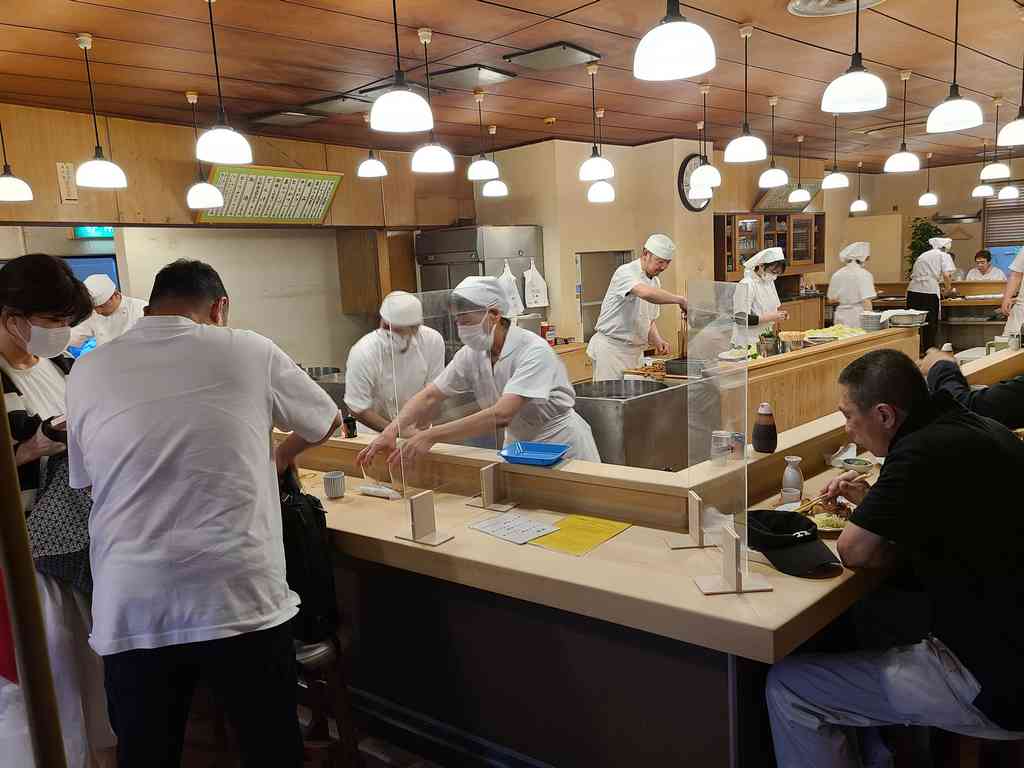
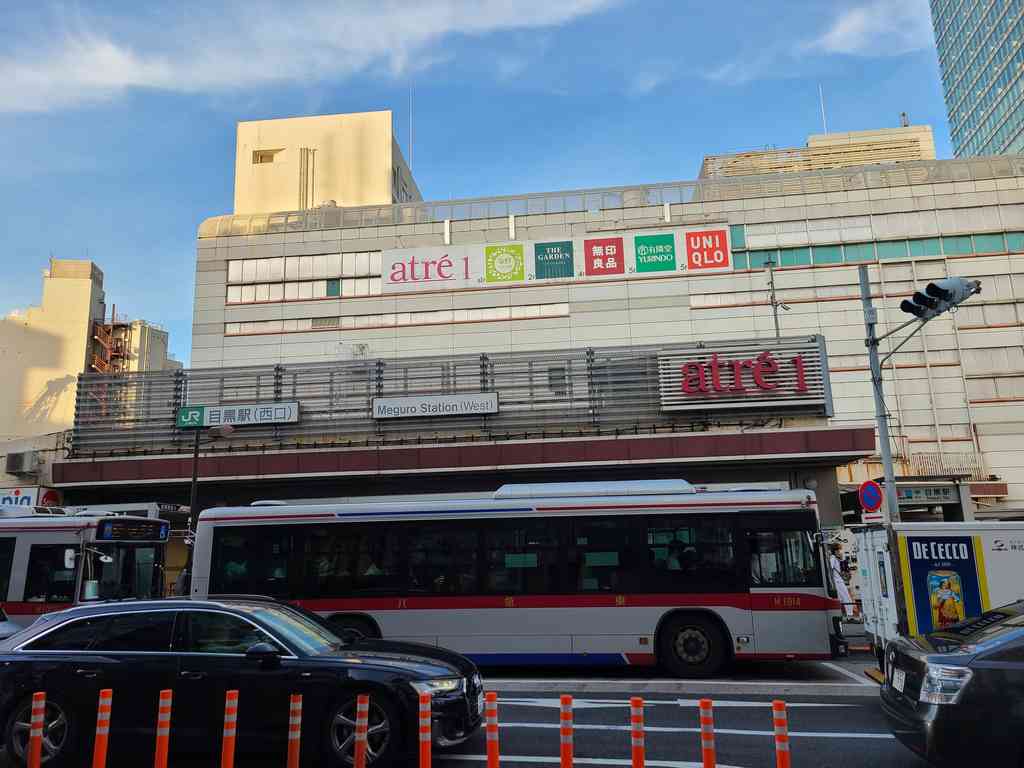
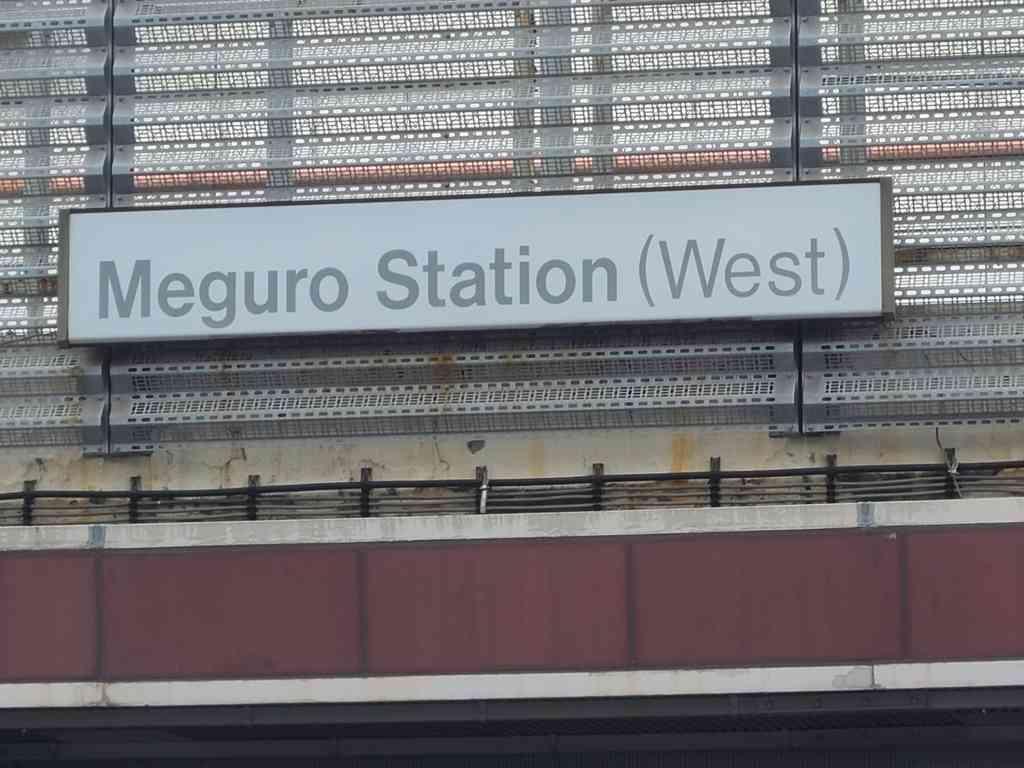
Tucked away just a short walk from Meguro Station is Tonki, a legendary, old-school culinary institution that has been frying up absolute perfection since 1939! Famous for its stadium-like open kitchen surrounded by gorgeous horseshoe-shaped wooden counters, dining here is practically dinner theater. You get to watch the master chefs meticulously prepare, bread, and fry every single cutlet with practiced precision. Serving up their incredibly unique, crispy breading alongside endless mountains of fresh shredded cabbage and steaming pork miso soup, Tonki is an unforgettable Tokyo dining experience!
I remember being so confused my first time here! The waiting area is actually a bench directly behind the diners eating at the counter. There are no numbers, no lists, and no buzzers. Yet, the brilliant maître d' possesses a superhuman memory—he knows exactly who walked in when, and calls you up to the counter the precise moment it is your turn!
Sapporo
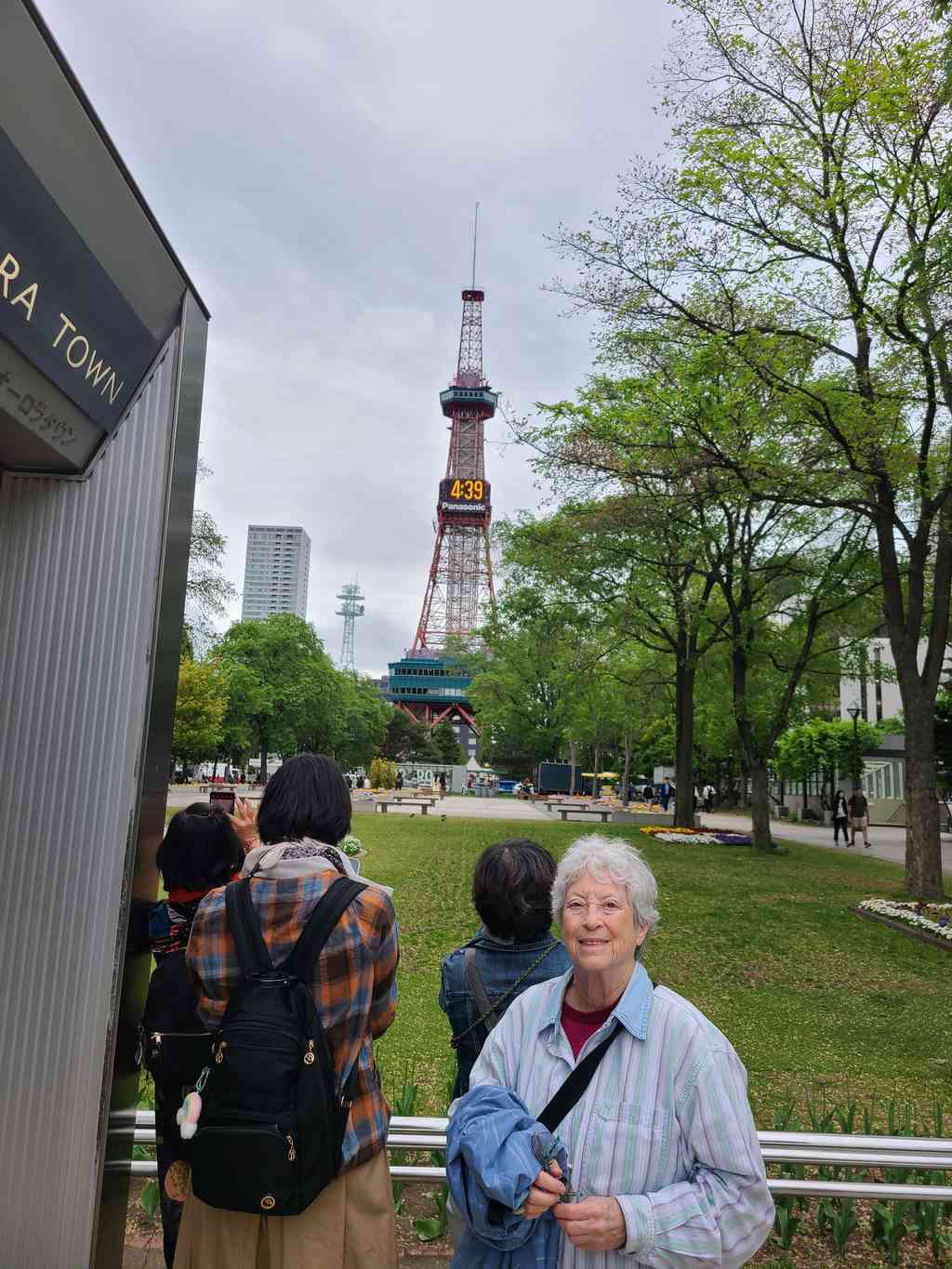
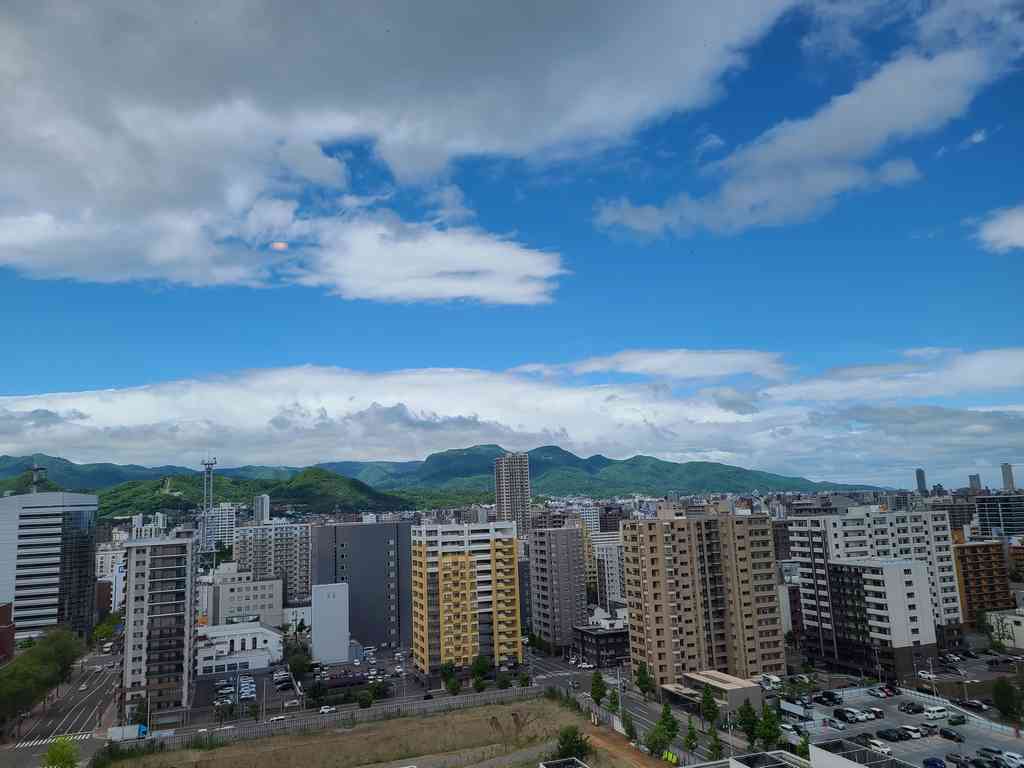
We wrapped up our whirlwind Japanese adventure by flying up to Sapporo a few days before I had to set up the equipment for my JEDEC meeting. While we didn't have a ton of time for sightseeing, it was a wonderful, relaxing way to wind down. To be completely honest, after the electric, non-stop thrill of Tokyo, Sapporo offered a much-needed, peaceful change of pace!
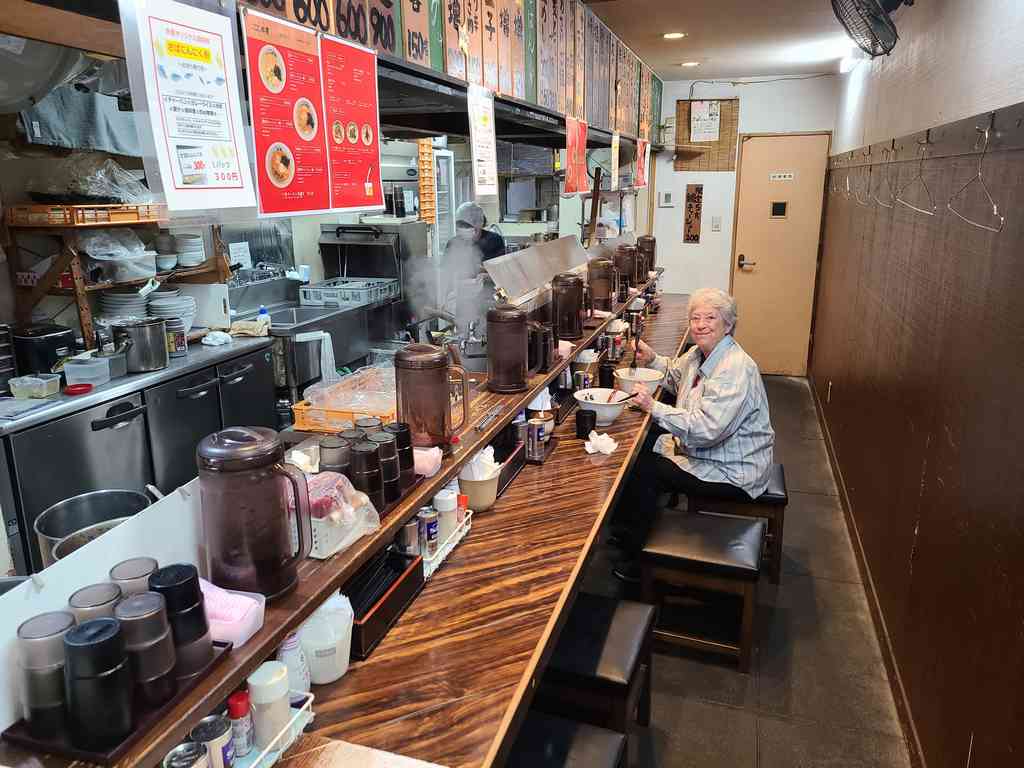
Reflecting on this magnificent journey back to Japan, it was everything I dreamed it would be and more! From the nostalgic joy of revisiting my old stomping grounds and the sheer thrill of our first live sumo tournament, to the deeply heartwarming reunion with Masaki and Miwa, every single day was packed with adventure, incredible food, and unforgettable memories. It was truly the perfect trip!